Filter by:
Aluminium Cutters
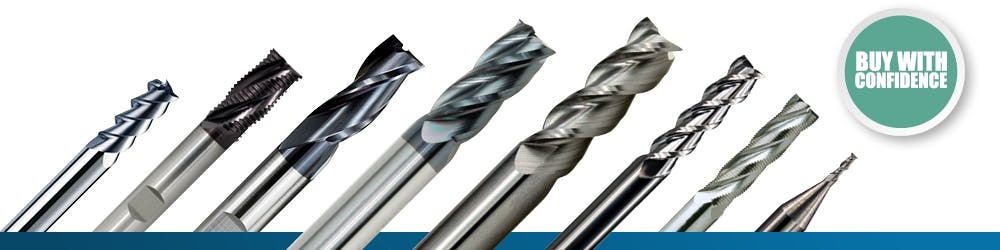
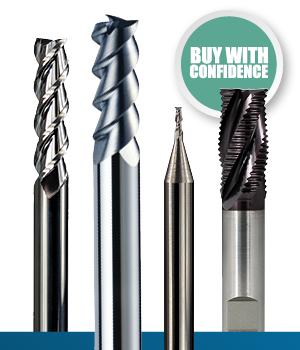
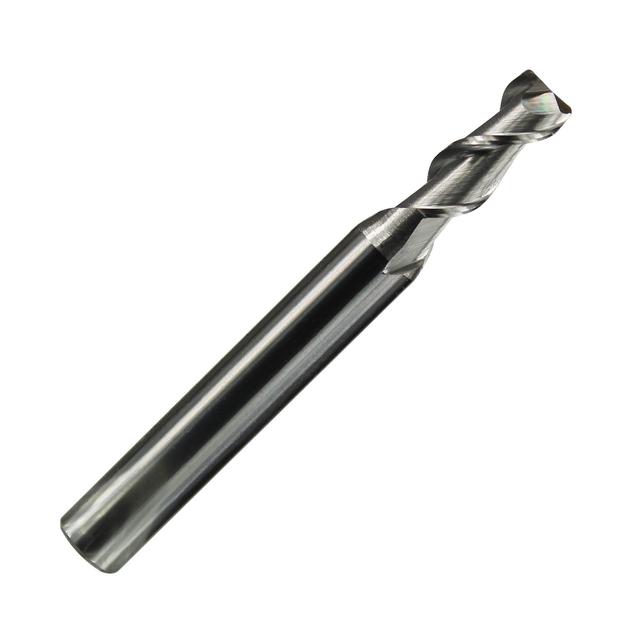
Ali-Mill 2 Flute 45 Degree Carbide Slot Drills for Aluminium
Series: A452
ALI-MILL Solid Carbide 2 Flute 45 Degree Slot Drill from STÄRKE is 1st choice for machining aluminium and non ferrous material.
Polished flutes for superior surface finish.
The special Hi-Helix geometry enables better chip removal.
Micrograin carbide
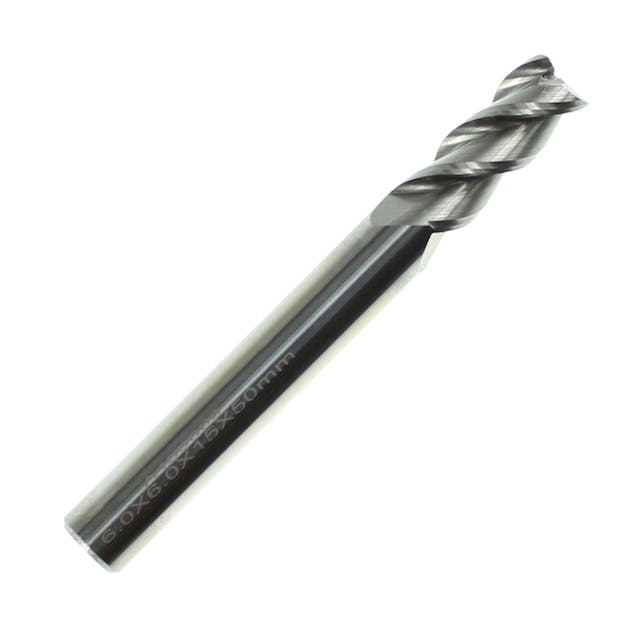
Ali-Mill 3 Flute 45 Degree Carbide Slot Drills for Aluminium
Series: A453
ALI-MILL Solid Carbide 3 Flute 45 Degree End Mill from STÄRKE is 1st choice for machining aluminium and non ferrous material.
- Polished flutes for superior surface finish.
- The special Hi-Helix geometry enables better chip removal.
- Micrograin carbide
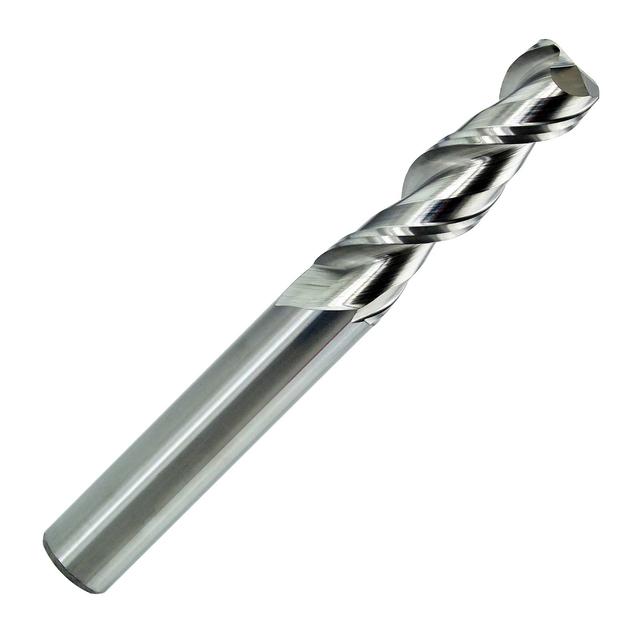
2 Flute Long Series carbide Slot Drill for Aluminium (STARKE Ali-Mill)
Series: AL452
- Suitable for machining of aluminium and other non-ferrous materials.
- Mirror polished fl utes
- Excellent surface finishes, superior chip removal.
- Micrograin carbide
- Hi-helix geometry
- Sizes available: 3mm, 4mm, 6mm, 8mm, 10mm, 12mm, 16mm, 20mm
Starting From:
£9.81 excl. VAT
£11.77 incl. VAT
£9.81 excl. VAT
£11.77 incl. VAT
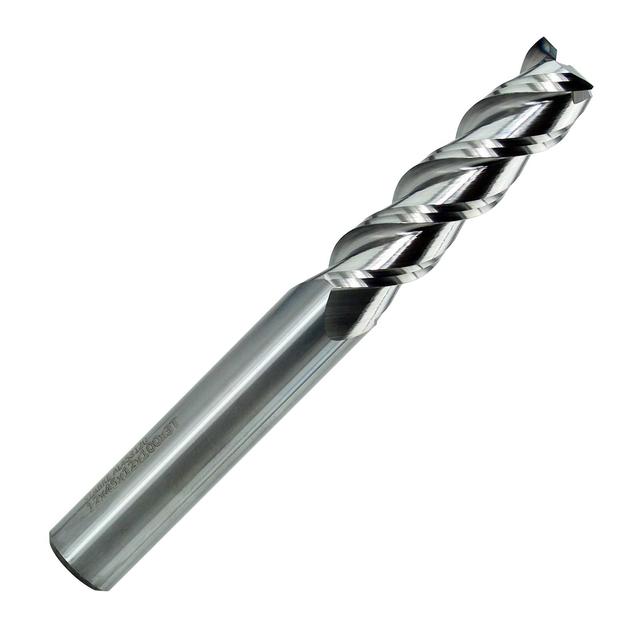
Ali-Mill 3 Flute Long Series carbide Slot Drill for Aluminium (STARKE AL453)
Series: AL453
- Suitable for machining aluminium and other non-ferrous materials
- Mirror polishied flutes
- Excellent surface finishe and superior chip removal
- Micrograin carbide
- Hi-helix geometry
- Sizes available: 3mm, 4mm, 6mm, 8mm, 10mm, 12mm, 16mm, 20mm
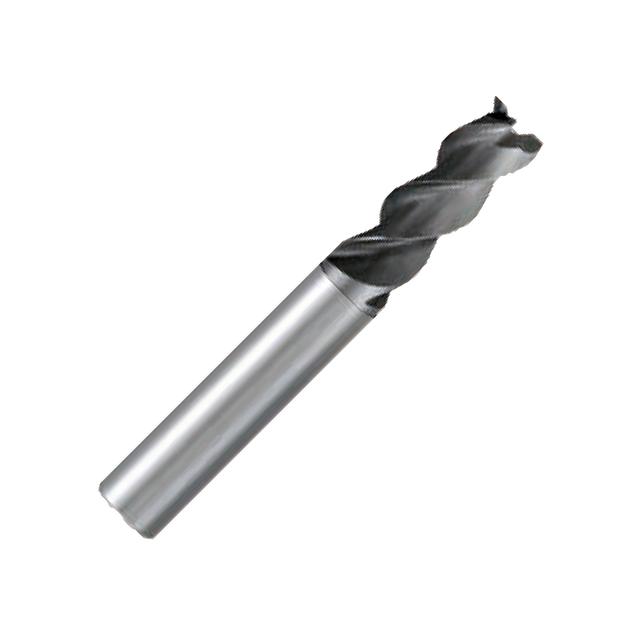
FRANKEN Alu-Cut 2544 Series 2 & 3 Flute Long Length End mill
Series: 2544
The Alu-Cut series for high performance machining of aluminum and high silicon aluminum.
- Highest metal removal rates for stable milling processes
- Several corner radii per diameter
- Center cutting
- Uncoated
- Available with high performance GLT coating works in copper alloys in addition to aluminum
- Rough and finish with 1 tool
Starting From:
£31.20 excl. VAT
£37.44 incl. VAT
£31.20 excl. VAT
£37.44 incl. VAT
Offer Price From:
£27.27excl. VAT
£32.72incl. VAT
£27.27excl. VAT
£32.72incl. VAT
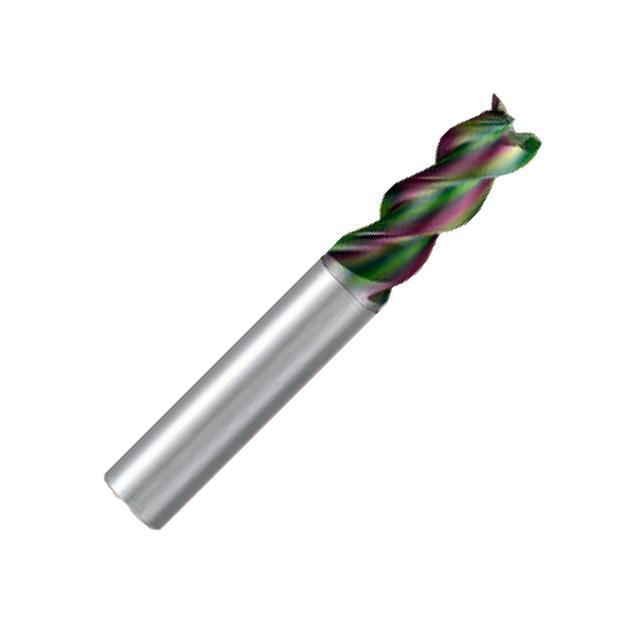
Alu-Cut 2544K Series 2 & 3 Flute Long Length Milling Cutters
Series: 2544K
The Alu-Cut series for high performance machining of aluminum and high silicon aluminum.
- Highest metal removal rates for stable milling processes
- Several corner radii per diameter
- Center cutting
- GLT coated for improved tool life, works in copper alloys in addition to aluminum
- Rough and finish with 1 tool
Starting From:
£41.90 excl. VAT
£50.28 incl. VAT
£41.90 excl. VAT
£50.28 incl. VAT
Offer Price From:
£36.63excl. VAT
£43.96incl. VAT
£36.63excl. VAT
£43.96incl. VAT
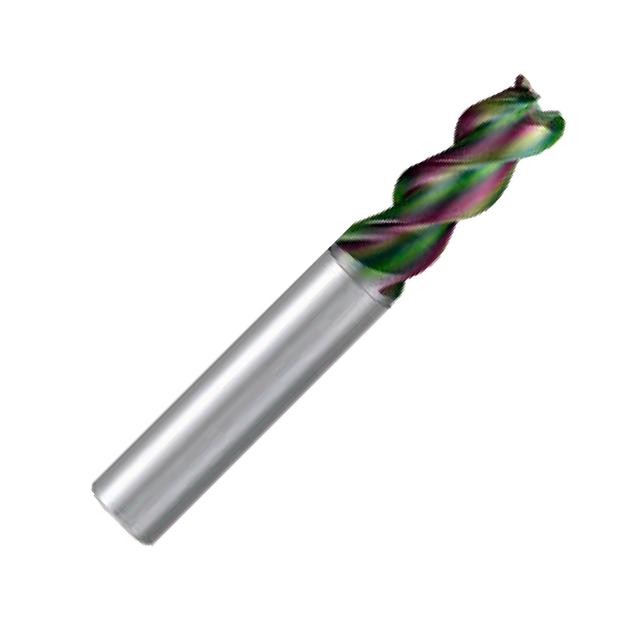
FRANKEN 3 Flute Long Length Corner Radius For Aluminium
Series: 2546K
Franken Alu-Cut solid carbide 3 flute long length end mills for high performance machining of aluminium, wrought aluminium alloys and aluminium alloys with a silicon content of up to 7%.
Features:
- High performance tool.
- Special geometry for the machining of aluminium
- Centre cutting
- 3 Flute Ripper
- Several corner radii per cutting diameter
- Suitable for z-axis milling
- Suitable for roughing and finishing
- Low-vibration machining
Starting From:
£44.30 excl. VAT
£53.16 incl. VAT
£44.30 excl. VAT
£53.16 incl. VAT
Offer Price From:
£38.70excl. VAT
£46.44incl. VAT
£38.70excl. VAT
£46.44incl. VAT
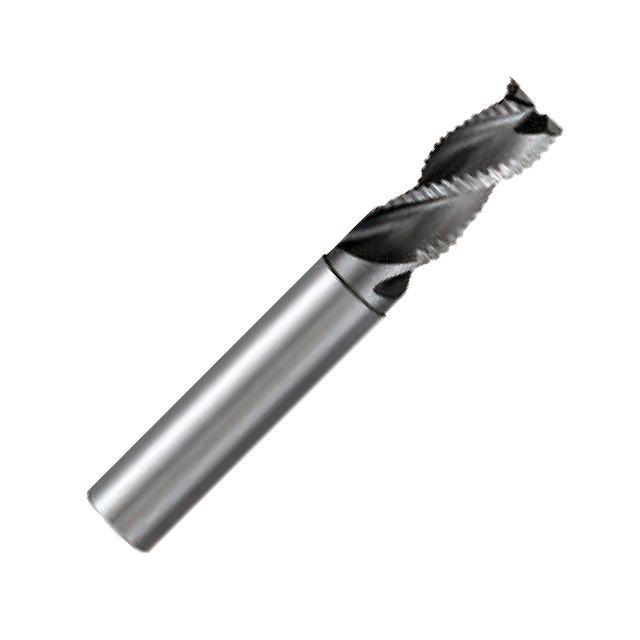
FRANKEN 3 Flute Carbide Ripper For Aluminium
Series: 2548
Franken Alu-Cut solid carbide roughing end mills for high performance machining of aluminium, wrought aluminium alloys and aluminium alloys with a silicon content of up to 7%.
- High performance tool.
- Special geometry for the machining of aluminium
- Centre cutting
- 3 Flute Ripper
- Plain Shank
Starting From:
£53.80 excl. VAT
£64.56 incl. VAT
£53.80 excl. VAT
£64.56 incl. VAT
Offer Price From:
£46.98excl. VAT
£56.38incl. VAT
£46.98excl. VAT
£56.38incl. VAT
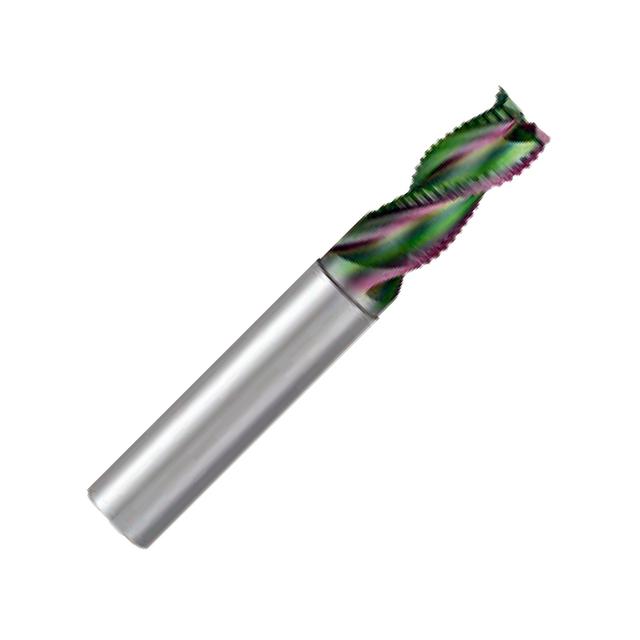
FRANKEN 3 Flute Coated Carbide Ripper for Aluminium
Series: 2548K
Franken Alu-Cut solid carbide roughing end mills for high performance machining of aluminium, wrought aluminium alloys and aluminium alloys with a silicon content of up to 7%.
- High performance tool.
- GLT coated for improved tool life works in copper alloys in addition to aluminium
- Special geometry for the machining of aluminium
- Centre cutting
- 3 Flute Ripper
- Plain Shank
Starting From:
£64.10 excl. VAT
£76.92 incl. VAT
£64.10 excl. VAT
£76.92 incl. VAT
Offer Price From:
£55.98excl. VAT
£67.18incl. VAT
£55.98excl. VAT
£67.18incl. VAT
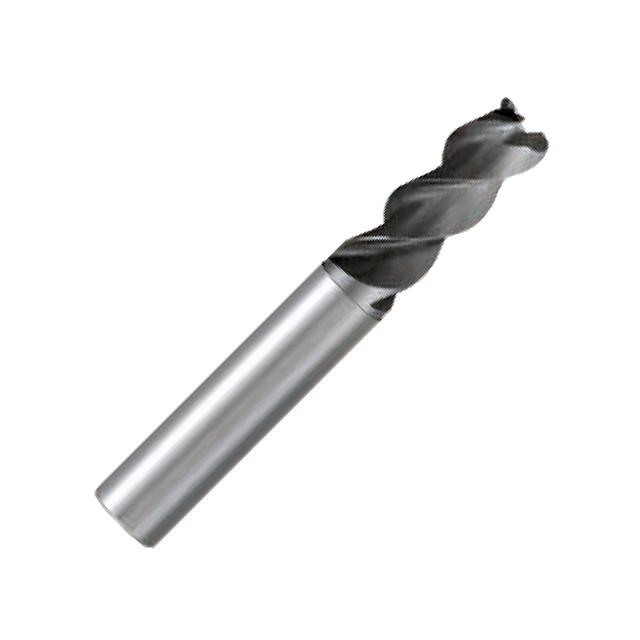
Franken 3 Flute Carbide Corner Radius End Mill for Aluminium
Series: 2546
Franken Alu-Cut solid carbide 3 flute end mills for high performance machining of aluminium, wrought aluminium alloys and aluminium alloys with a silicon content of up to 7%.
Features:
- High performance tool.
- Special geometry for the machining of aluminium
- Centre cutting
- 3 Flute Ripper
- Several corner radii per cutting diameter
- Suitable for z-axis milling
- Suitable for roughing and finishing
- Low-vibration machining
Starting From:
£33.60 excl. VAT
£40.32 incl. VAT
£33.60 excl. VAT
£40.32 incl. VAT
Offer Price From:
£29.34excl. VAT
£35.21incl. VAT
£29.34excl. VAT
£35.21incl. VAT
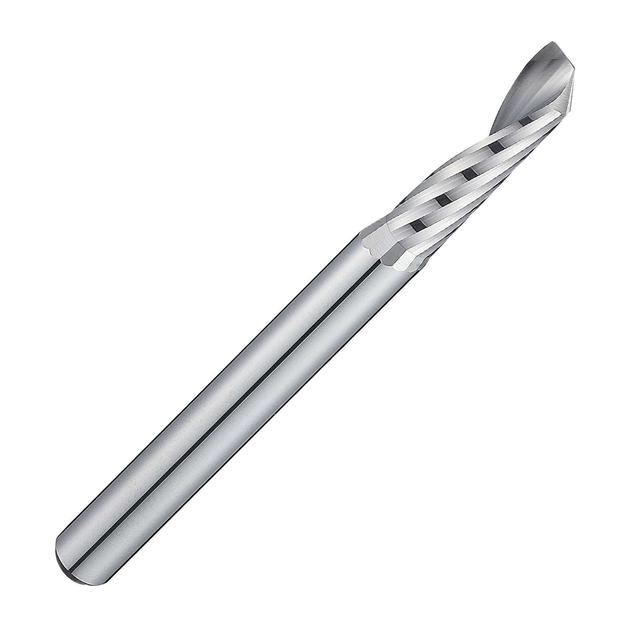
ALU-XP 135303 -Single Flute Slot Drill for Machining Aluminium
Series: 135303
1 Flute ALU-XP Slot Drill for Machining Aluminium and Non-Ferrous Materials. Micro Grain Carbide End Mill with High Helix Geometry for Excellent surface finishes and Superior Chip Removal.
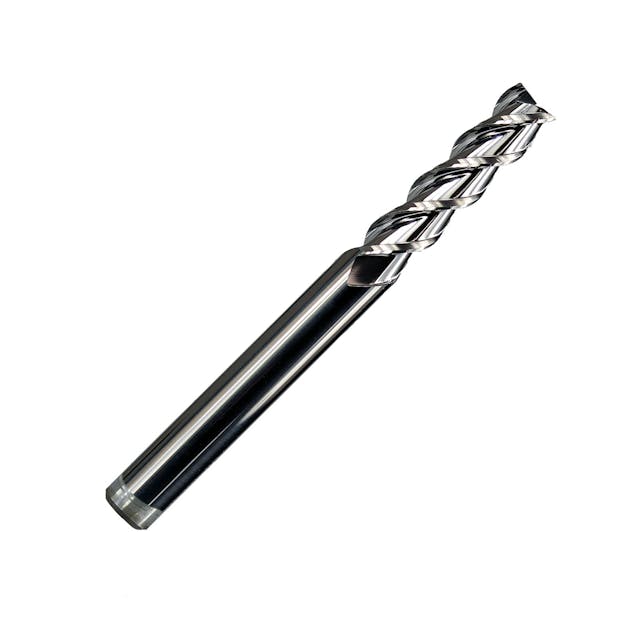
Alu-XP 3 Flute Carbide Long Length End Mill for Aluminium
Series: 144303
Alu-XP 3 Flute Carbide Long Length End Mill for Aluminium
- Excellent surface finishes.
- Superior chip removal
- Micrograin solid carbide substrate
- Mirror polished Flutes
- Suitable for high speed machining of aluminium and other non-ferrous materials
- Corner protected.
- Long series
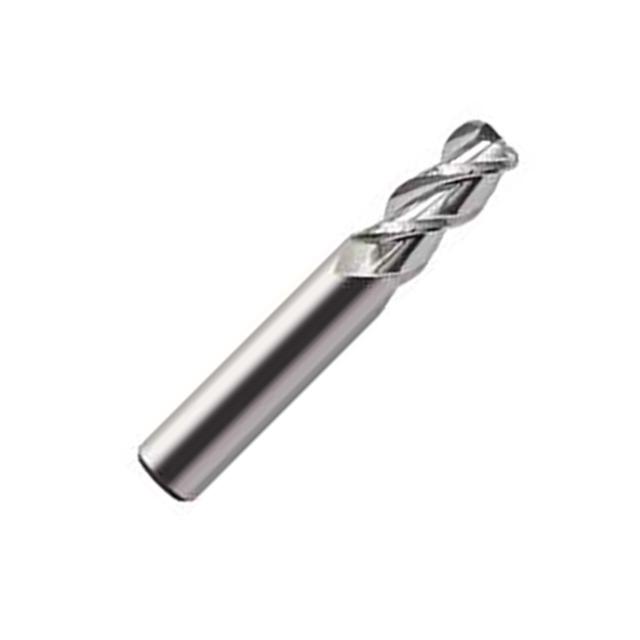
Alu-XP 142303 Series 3 Flute Carbide Corner Radius End Mill for Aluminium & Non-Ferrous Machining
Series: 142303
Alu-XP tools with Òmirror polishedÓ flutes allow for smooth chip evacuation, giving better surface finish and wear resistance. Cutting edges are optimised to minimise vibration, and 3-flute tools have a tight diameter tolerance giving excellent process reliability.
Starting From:
£49.09 excl. VAT
£58.91 incl. VAT
£49.09 excl. VAT
£58.91 incl. VAT
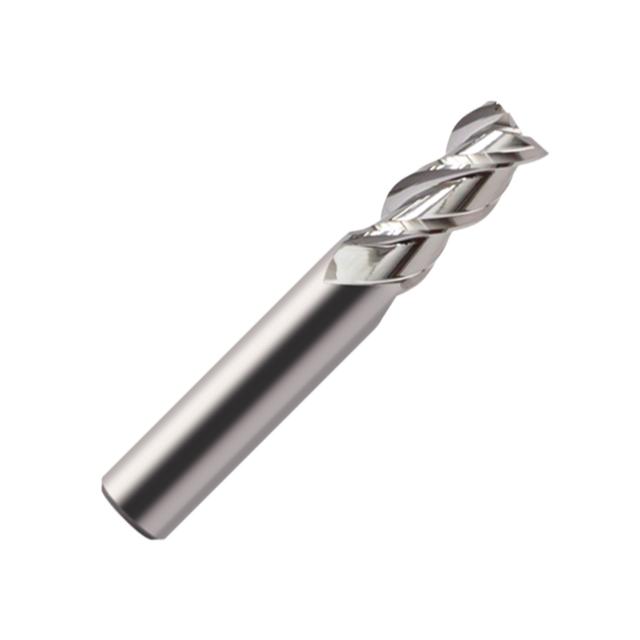
Alu-XP 3 Flute 45 Degree Carbide End Mill for Aluminium
Series: 143303
Alu-XP 3 Flute 45 Degree Carbide End Mill for Aluminium
- Excellent surface finishes.
- Superior chip removal
- Micrograin solid carbide substrate
- Mirror polished Flutes
- Suitable for high speed machining of aluminium and other non-ferrous materials
- Corner protected.
- Long series
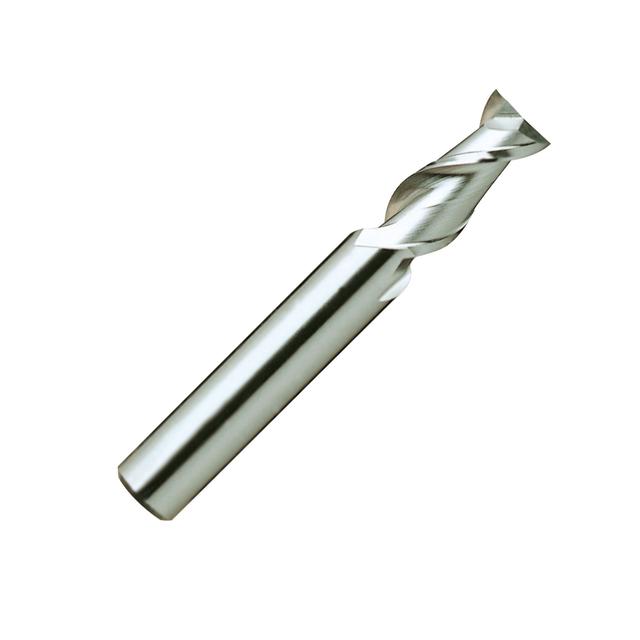
Alu-XP 2 Flute Carbide Slot Drill for Aluminium
Series: 151303
Alu-XP 2 Flute Carbide Slot Drill for Aluminium
- Excellent surface finishes.
- Superior chip removal
- Micrograin solid carbide substrate
- Mirror polished Flutes
- Suitable for high speed machining of aluminium and other non-ferrous materials
- Corner protected.
Starting From:
£39.16 excl. VAT
£46.99 incl. VAT
£39.16 excl. VAT
£46.99 incl. VAT
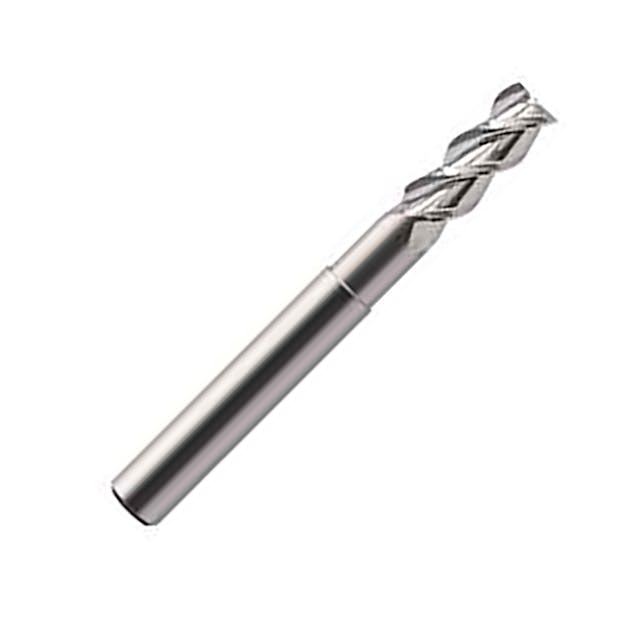
2 Flute Carbide Reduced Neck End Mill for Aluminium
Series: 153303
- Excellent surface finishes.
- Superior chip removal
- Micrograin solid carbide substrate
- Mirror polished Flutes
- Suitable for high speed machining of aluminium and other non-ferrous materials
- Corner protected.
- Long series
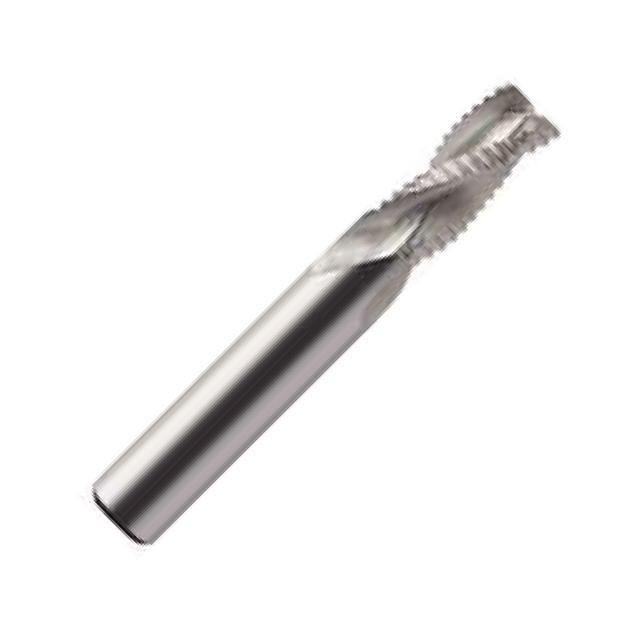
Alu-XP 3 Flute Long Length Weldon Shank Ripper
Series: 125303
Alu-XP 3 Flute Long Length Weldon Shank Ripper
- Excellent surface finishes.
- Superior chip removal.
- Flatted shank.
- Micrograin solid carbide substrate.
- Corner protected.
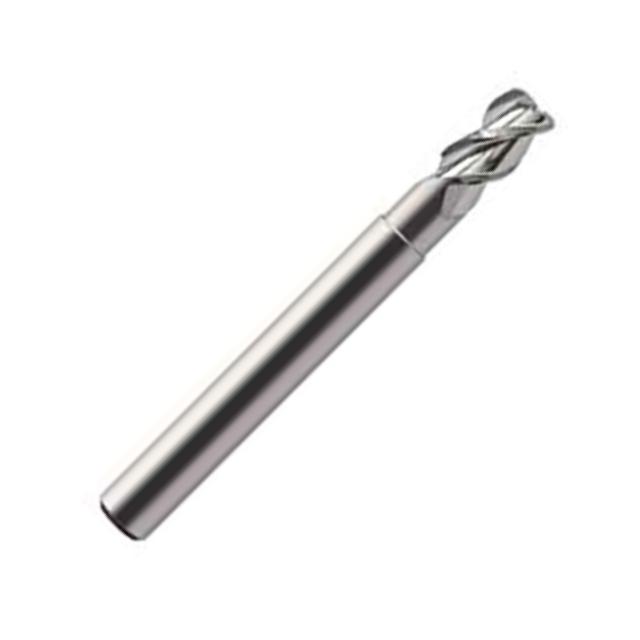
Alu-XP 156303 Series 2 Flute Carbide Corner Radius Reduced Neck End Mill for Aluminium & Non-Ferrous Machining
Series: 156303
Alu-XP tools with Òmirror polishedÓ flutes allow for smooth chip evacuation, giving better surface finish and wear resistance. Cutting edges are optimised to minimise vibration, and 3-flute tools have a tight diameter tolerance giving excellent process reliability.
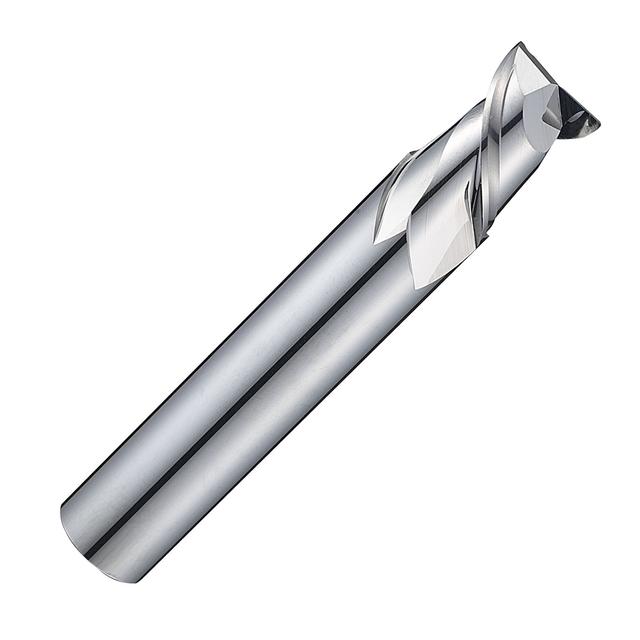
ALU-XP 2 Flute Short Length Slot Drill for Aluminium
Series: 152303
ALU-XP 2 Flute Short Length Slot Drill for Aluminium
Suitable for machining of aluminium and other non-ferrous materials.
Excellent surface finishes, superior chip removal.
Corner protected.
Mirror polished flutes.
Starting From:
£40.26 excl. VAT
£48.31 incl. VAT
£40.26 excl. VAT
£48.31 incl. VAT
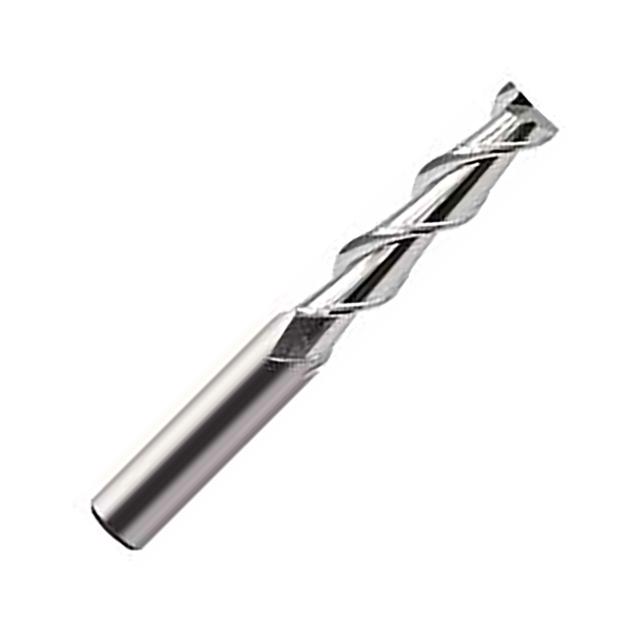
Alu-XP 154303 Series 2 Flute Carbide Long Length End Mill for Aluminium & Non-Ferrous Machining
Series: 154303
Alu-XP tools with Òmirror polishedÓ flutes allow for smooth chip evacuation, giving better surface finish and wear resistance. Cutting edges are optimised to minimise vibration, and 3-flute tools have a tight diameter tolerance giving excellent process reliability.
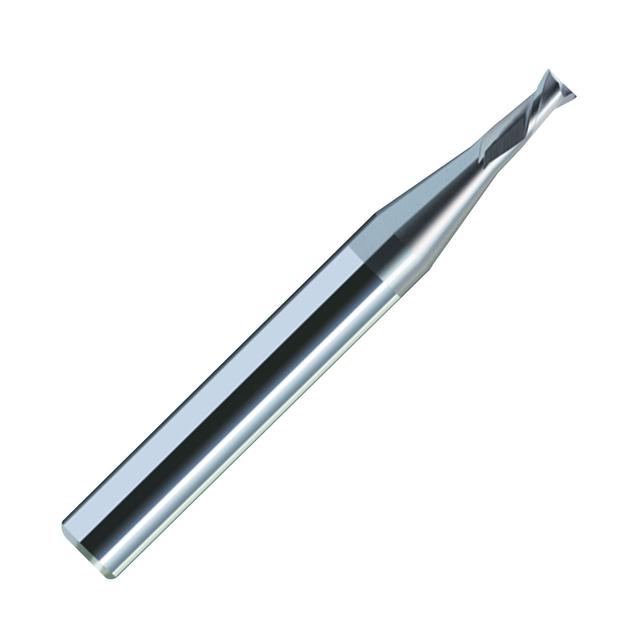
2 Flute Coated Aluminium Rib Processing Micro Slot Drill
Series: NM-2EP
2 Flute Coated Aluminium Rib Processing Micro Slot Drill
- For machining of Aluminiums, Copper, Brass and Bronze
- Excellent sharpness of cutting edge for very good surface quality
- CrN coating for improved tool life
- Sizes from 0.5mm-5mm
Starting From:
£17.68 excl. VAT
£21.22 incl. VAT
£17.68 excl. VAT
£21.22 incl. VAT
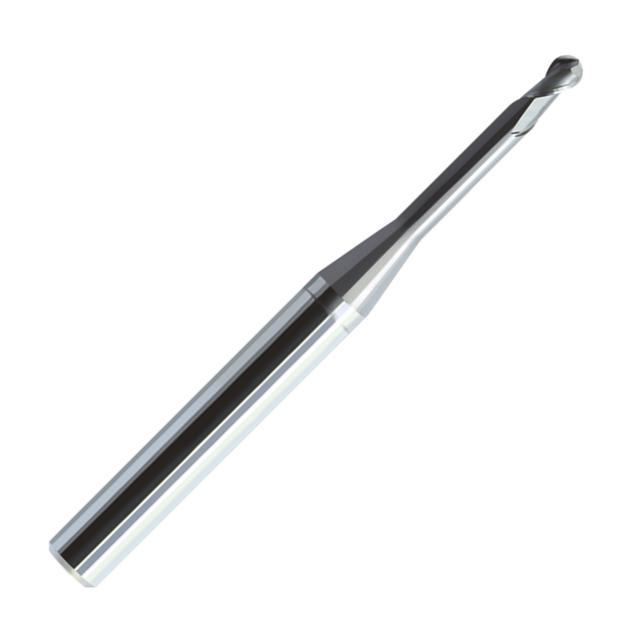
2 Flute CrN Coated Aluminium Ball Nose Rib Processing Micro Slot Drill
Series: NM-2BP
2 Flute CrN Coated Aluminium Ball Nose Rib Processing Micro Slot Drill
- For machining of Aluminiums, Copper, Brass and Bronze
- Excellent sharpness of cutting edge for very good surface quality
- CrN coating for improved tool life
- Sizes from 0.5mm-5mm
Starting From:
£20.11 excl. VAT
£24.13 incl. VAT
£20.11 excl. VAT
£24.13 incl. VAT
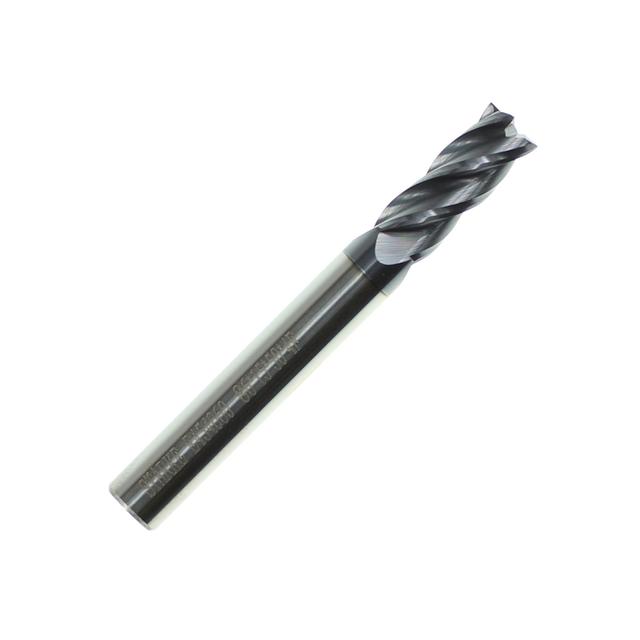
Eco-Mill 4 Flute Coated Carbide General Purpose End Mills
Series: E454
STARKE Eco-Mill E454 4 flute TiALN coated carbide end mills for steel, stainless steel, cast iron and non-ferrous materials up to 45 HRC, in diameters from 1mm to 25mm.
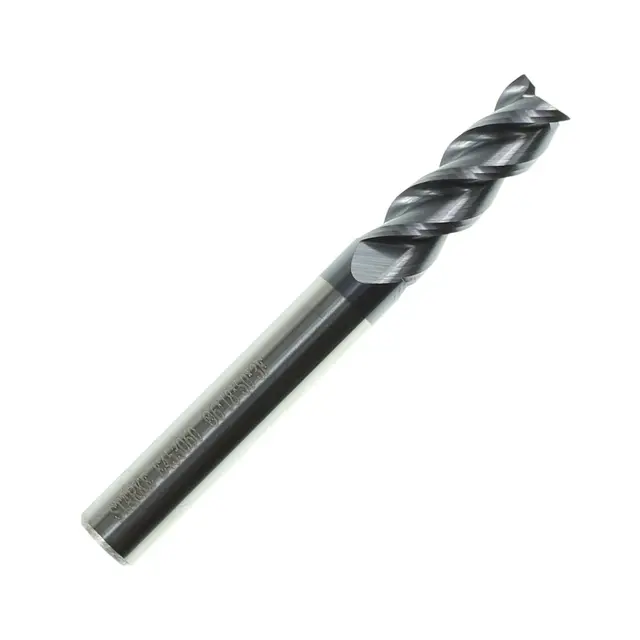
Eco-Mill 3 Flute Coated Carbide General Purpose Milling Cutters
Series: E453
ECO-MILL coated carbide 3 flute end mill from STÄRKE, a TiALN coated general purpose milling cutter.
- Suitable for cutting steel, stainless steel, cast iron and non-ferrous material including aluminium and copper.
- Cut up to 45 HRC
- Can be used wet or dry to increase tool life.
- Micrograin carbide
- Centre cutting
- Available diameter sizes between 1mm and 20mm


Frequently Asked Questions
Aluminium and non-ferrous metals behave differently from steel in two critical ways that make dedicated tooling necessary for best results:
They are soft and ductile
They have a strong tendency to adhere to cutting tool surfaces.
The softness and ductility of aluminium means that a general-purpose end mill with a moderate helix angle and a moderate number of flutes will generate excessive heat through rubbing and will pack chips into the flute gullets before they can be evacuated. Built-up edge (BUE) (where aluminium welds itself to the cutting edge) follows rapidly. This not only damages the surface finish of the workpiece but can also cause catastrophic tool failure and makes achieving close tolerances almost impossible.
Dedicated aluminium cutters address both problems through three design choices. First they use high helix angles (typically 35° to 45°) which generate a slicing rather than pushing cutting action and throw chips clear of the cutting zone rapidly. Second, they use fewer flutes (two or three) than equivalent steel cutter, which provides large chip gullets for aluminium's characteristically large, stringy chips to escape without re-cutting. Third, the flute surfaces are mirror-polished rather than left with the as-ground finish used on steel cutters. Aluminium has a high affinity for tungsten carbide surfaces under heat and pressure and a polished flute dramatically reduces the contact friction and the tendency for the aluminium to adhere.
The practical result is that a dedicated aluminium cutter runs at surface speeds three to five times higher than a steel-purpose cutter of the same diameter, produces a bright finish on the workpiece rather than a dragged smear and lasts significantly longer per part.
Four dedicated series cover the aluminium and non-ferrous milling range, from four different manufacturers:
Starke Ali-Mill: solid carbide end mills from STÄRKE, a precision cutting tool brand. All tools are uncoated (bright carbide with polished flutes), 45-degree helix, micrograin carbide substrate. Available in 2-flute (A452 series, slot drills) and 3-flute (A453 series) variants, plus an SL long series. Diameters from 1mm to 20mm.
ZCC-CT NM Series: solid carbide from ZCC-CT, a Chinese precision tool manufacturer with a significant European presence. ZCC-CT has products covering 2-flute and 4-flute configurations in square end, ball nose and corner radius profiles. Diameters from 0.5mm to 20mm. Notable for extending the ball nose and corner radius options that the Ali-Mill series does not offer as extensively.
Europa Tool Alu-XP: Europa Tool is a UK-established cutting tool brand. The most extensive series in the category offering 1-flute, 2-flute and 3-flute configurations across square, corner radius, and ball nose profiles. Also includes reduced neck variants for deep-pocket access and long-length variants (284 SKUs). Diameters from 1mm to 20mm.
Emuge-Franken Alu-Cut: solid carbide from Emuge-Franken, a German precision tool manufacturer. Their products are predominantly 3-flute with a smaller 2-flute selection. Strongly focused on corner radius profiles in standard and long lengths. Diameters range from 2mm to 20mm.
The helix angle of a milling cutter is the angle at which the flute wraps around the tool body. It directly determines the cutting action at the tool tip and the efficiency of chip evacuation.
A 45-degree helix is at the high end of the spectrum for milling cutters. When a 45-degree flute engages the workpiece the cutting edge slices through the material at a steep angle rather than pushing across it. This has several consequences. The cutting force is directed more axially (along the tool axis) and less radially (into the workpiece) which reduces the tendency for the tool to deflect sideways which is a significant benefit for aluminium where deflection causes chatter and poor surface finish at the high spindle speeds required. The slicing action also shears the chip away cleanly rather than tearing it, generating less heat at the cutting edge.
At 45 degrees, the chip load per unit length of engaged cutting edge is reduced compared to a lower helix angle because the same axial depth of cut is distributed over a longer length of edge. This allows higher feed rates before the chip load per tooth reaches the tool's limit. In aluminium (which is soft) the 45-degree helix enables significantly higher material removal rates without exceeding the chip load that causes built-up edge.
The practical difference between a 30-degree general-purpose milling cutter and a 45-degree aluminium cutter in the same diameter on an aluminium part is typically a factor of 2-3x in achievable feed rate before surface finish degrades and a very significant improvement in the brightness of the machined surface.
After grinding, the flute surfaces of a standard carbide end mill have a fine ground finish although the peaks and valleys left by the grinding wheel are present on a microscopic scale. For steel and cast iron this finish is perfectly adequate and has no significant effect on performance.
For aluminium, these microscopic surface features matter because aluminium has an exceptionally strong tendency to cold-weld to carbide under the pressures and temperatures of machining. Any surface irregularity provides a mechanical anchor point for aluminium to begin adhering. Once a micro-weld forms at the flute surface, subsequent chips are scraping across it generating heat, building up further material and degrading surface finish rapidly.
Polished flutes remove the ground surface texture and replace it with a mirror-like surface. The friction coefficient between polished carbide and aluminium is substantially lower than between ground carbide and aluminium. Chips slide freely along the polished flute rather than sticking. The result is consistent, bright surface finish throughout the tool's life rather than a progressive deterioration as built-up edge develops.
On the Ali-Mill series, polished flutes are explicitly listed as the primary reason the series produces "superior surface finish." This is not cosmetic, the polish is functional!
Carbide cutting tools are manufactured from tungsten carbide particles sintered (pressed and heat-bonded) together with a cobalt binder. The grain size of the tungsten carbide particles (how fine or coarse they are before sintering) determines the properties of the finished substrate.
Coarser grain carbide is tougher but softer and less able to hold a sharp edge. Fine grain carbide (grain size typically below 1 micrometre) is harder, more wear-resistant and capable of holding a sharper, more geometrically precise cutting edge. Ultrafine grain (below 0.5 micrometres, sometimes called submicron or micrograin) takes this further because the cutting edge can be ground sharper, it stays sharp longer and the edge is more consistent from tool to tool.
For aluminium milling, where the cutting edge is doing work at very high spindle speeds (often 10,000-30,000 rpm on modern machining centres) and must maintain its geometry precisely to produce a bright finish without built-up edge, micrograin carbide is the preferred substrate. It allows the sharp, highly-polished edge that resists aluminium adhesion and maintains it over more machined parts before the edge starts to wear.
The Ali-Mill series specifies micrograin carbide as part of its core geometry description, which is the standard substrate for quality aluminium-specific tooling.
The choice between 2-flute and 3-flute cutters for aluminium involves a balance between chip evacuation capacity, surface finish quality and the type of operation being performed.
2-flute cutters (A452 slot drill series, Alu-XP 2-flute, NM 2-flute) have the largest chip gullets of any configuration with the space between each flute being half the tool circumference. This gives the maximum volume for aluminium's large, stringy chips to escape before being re-cut. The 2-flute is the preferred choice for full-width slotting, deep slotting and any operation where chip re-cutting is a risk. It is also the standard configuration for centre-cutting (plunge) operations, since the two flutes can be ground through the tool centre. The practical trade-off is that with only two cutting edges the feed rate per revolution must be high enough to maintain an adequate chip thickness whereas too slow and rubbing occurs.
3-flute cutters (A453 series, Alu-XP 3-flute, Alu-Cut 3-flute) have one additional cutting edge which increases the material removal rate at the same feed-per-tooth or alternatively allows a finer surface finish for the same cutting speed because the tool re-contacts the workpiece more frequently per revolution. The 3-flute is generally preferred for peripheral milling (side cutting), profile milling and finishing passes in aluminium where surface finish is the primary objective. The chip gullets are slightly smaller than a 2-flute which is acceptable for peripheral cuts where chips evacuate readily but must be managed carefully in full-slot conditions.
As a rule: 2-flute for slotting, ramping and plunging & 3-flute for profiling and finishing, particularly where the radial engagement is less than full width.
Four end profile types are stocked across the aluminium milling range:
Square end: produces a flat-bottomed cut with a sharp 90-degree corner at the base of any feature. This is the standard for pockets, shoulders and stepped profiles in aluminium where clean, right-angle transitions are required. The Ali-Mill and most NM series tools are square end.
Ball nose: produces a radius at the tool tip equal to half the tool diameter. Ball nose cutters are used for 3D contouring, sculpted surfaces, ramp entries and blended radius features. In aluminium, ball nose cutters are commonly used for aerospace and motorsport parts with complex surface geometry. The NM and Alu-XP series both offer ball nose configurations. The tool centre has zero cutting speed (the centreline of rotation is stationary) so ball nose cutters should not be used to plunge directly, ramp entries are preferred instead.
Corner radius: has a small radius ground at the corner between the tip and the outer diameter (typically 0.5mm to 4mm). The corner radius strengthens the most vulnerable point of a square end mill (the sharp corner is where chipping initiates under interrupted cuts), reduces stress concentration at the base of pockets and produces a small blended radius at the floor-wall transition in a pocket. The Alu-Cut series from Emuge-Franken is heavily weighted toward corner radius, reflecting Emuge-Franken's focus on production milling where edge integrity over long runs matters.
Rougher/ripper have a serrated or wavy cutting edge profile that breaks chips into short segments, reducing cutting forces dramatically. Used for high-volume roughing passes where the priority is rapid material removal rather than surface finish.