




Hainbuch Clamping Heads
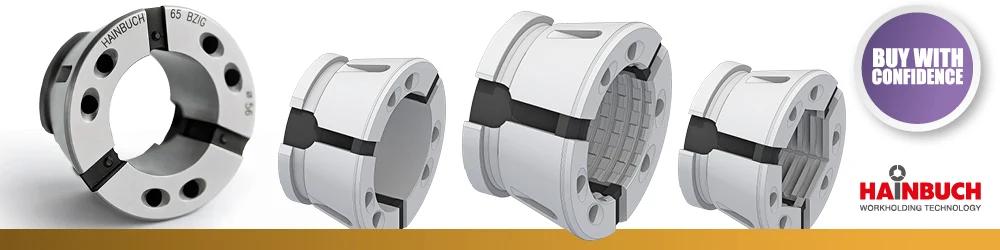
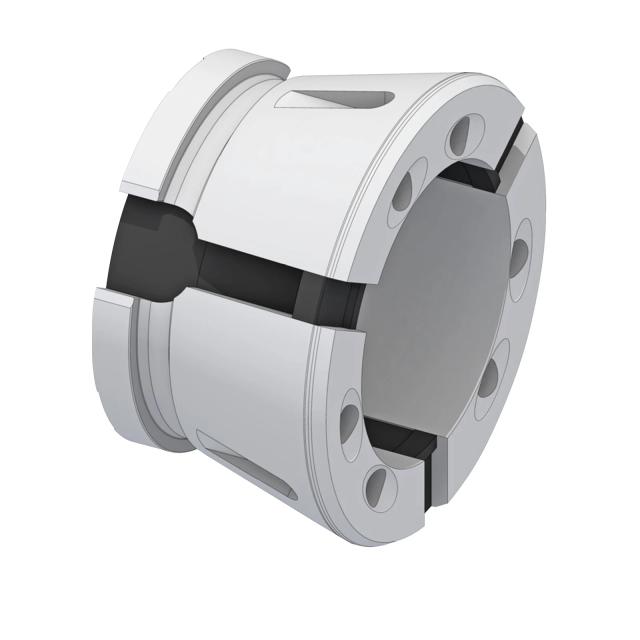
Size SK52 Clamping Head - Smooth Round Collet - Hainbuch
Size SK52 Clamping Head - Smooth Round Collet - Hainbuch
- Size 52 Hainbuch Collet (Clamping Head)
- Round profile
- Extremely rigid clamping system
- Smooth for minimal clamping marks
- ≤0.01mm run-out accuracy possible
£181.00 excl. VAT
£217.20 incl. VAT
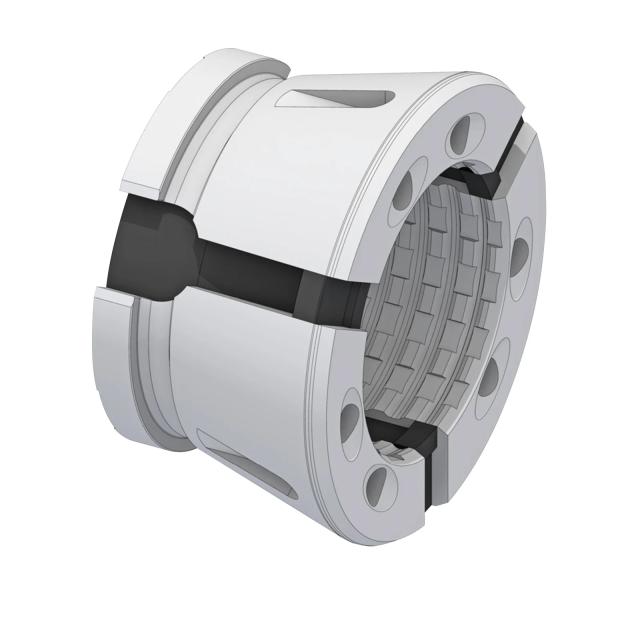
Size SK52 Clamping Head - Serrated Round Collet - Hainbuch
Size SK52 Clamping Head - Serrated Round Collet - Hainbuch
- Size 52 Hainbuch Collet (Clamping Head)
- Round profile
- Extremely rigid clamping system
- Serrations for powerful clamping
- ≤0.01mm run-out accuracy possible
£181.00 excl. VAT
£217.20 incl. VAT
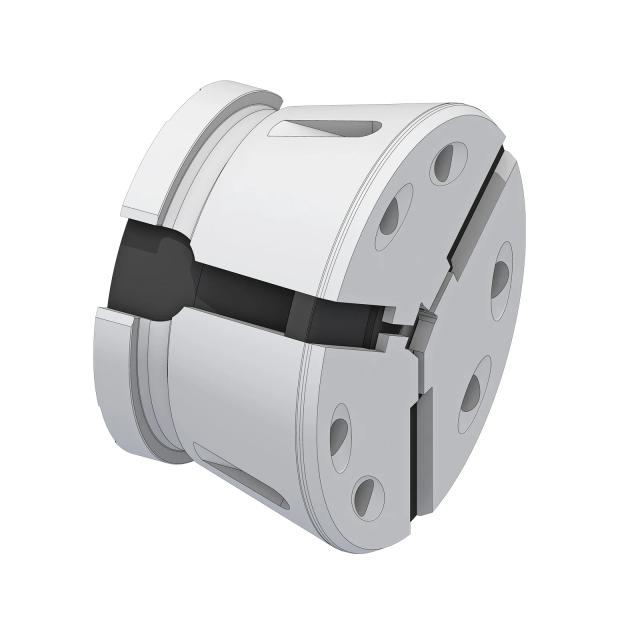
Size SK52 Clamping Head - Smooth Square Collet - Hainbuch
Size SK52 Clamping Head - Smooth Square Collet - Hainbuch
- Size 52 Hainbuch Collet (Clamping Head)
- Square profile
- Extremely rigid clamping system
- Smooth for minimal clamping marks
- ≤0.01mm run-out accuracy possible
£353.00 excl. VAT
£423.60 incl. VAT
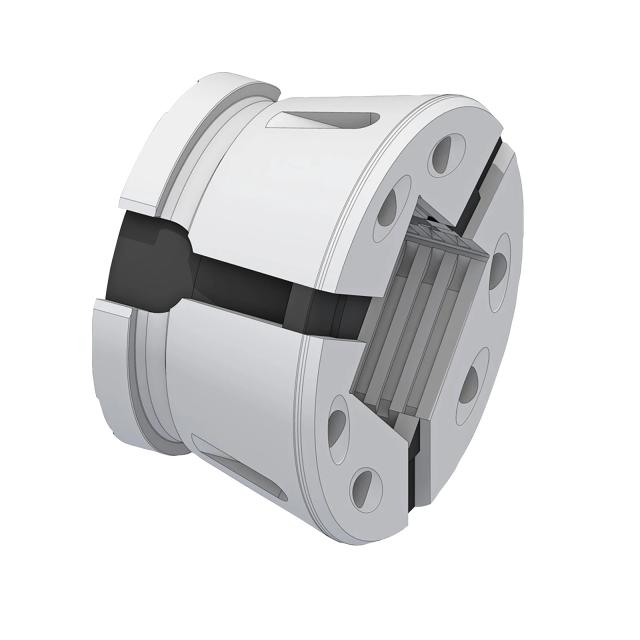
Size SK52 Clamping Head - Serrated Square Collet - Hainbuch
Size SK52 Clamping Head - Serrated Square Collet - Hainbuch
- Size 52 Hainbuch Collet (Clamping Head)
- Square profile
- Extremely rigid clamping system
- ≤0.01mm run-out accuracy possible
£212.00 excl. VAT
£254.40 incl. VAT
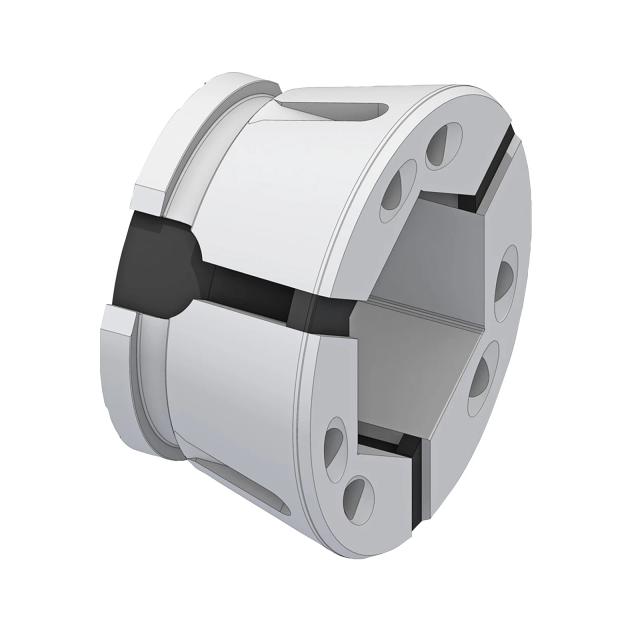
Size SK52 Clamping Head - Smooth Hexagon Collet - Hainbuch
Size SK52 Clamping Head - Smooth Hexagon Collet - Hainbuch
- Size 52 Hainbuch Collet (Clamping Head)
- Hexagon profile
- Extremely rigid clamping system
- Smooth for minimal clamping marks
- ≤0.01mm run-out accuracy possible
£353.00 excl. VAT
£423.60 incl. VAT
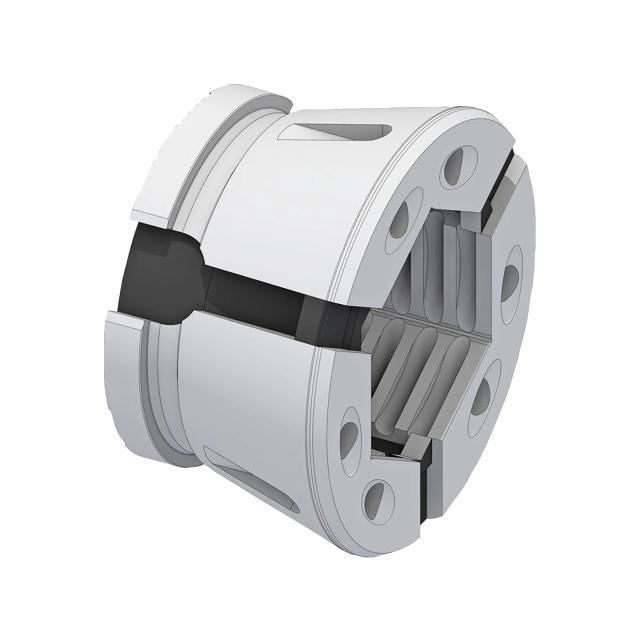
Size SK52 Clamping Head - Serrated Hexagon Collet - Hainbuch
Size SK52 Clamping Head - Serrated Hexagon Collet - Hainbuch
- Size 52 Hainbuch Collet (Clamping Head)
- Hexagon profile
- Extremely rigid clamping system
- Serrations for powerful clamping
- ≤0.01mm run-out accuracy possible
£210.90 excl. VAT
£253.08 incl. VAT
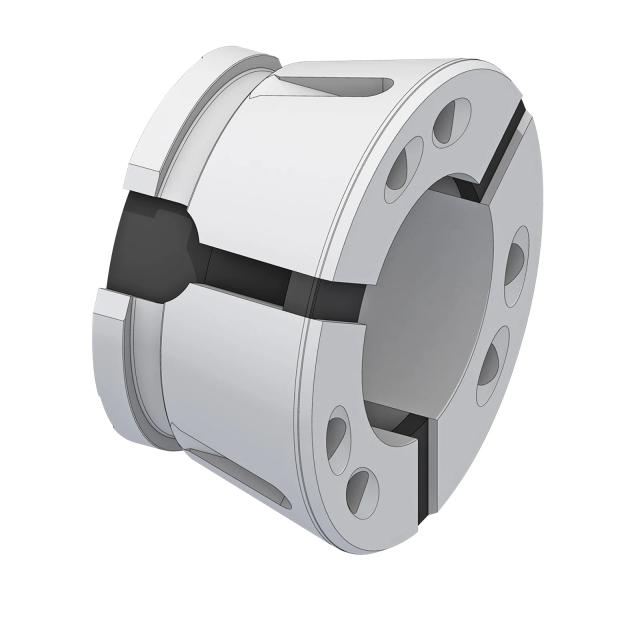
Size SK65 Clamping Head - Smooth Round Collet - Hainbuch
Size SK65 Clamping Head - Smooth Round Collet - Hainbuch
- Size 65 Hainbuch Collet (Clamping Head)
- Round profile
- Extremely rigid clamping system
- Smooth for minimal clamping marks
- ≤0.01mm run-out accuracy possible
£230.00 excl. VAT
£276.00 incl. VAT
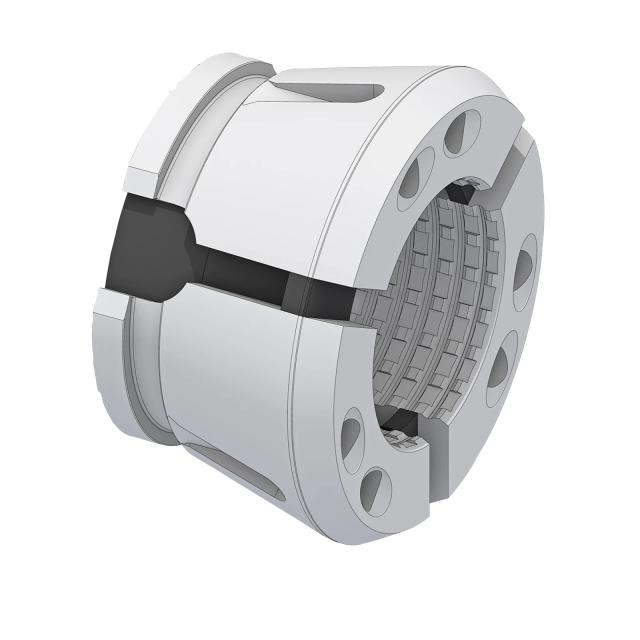
Size SK65 Clamping Head - Serrated Round Collet - Hainbuch
Size SK65 Clamping Head - Serrated Round Collet - Hainbuch
- Size 65 Hainbuch Collet (Clamping Head)
- Round profile
- Extremely rigid clamping system
- Serrations for powerful clamping
- ≤0.01mm run-out accuracy possible
£230.00 excl. VAT
£276.00 incl. VAT
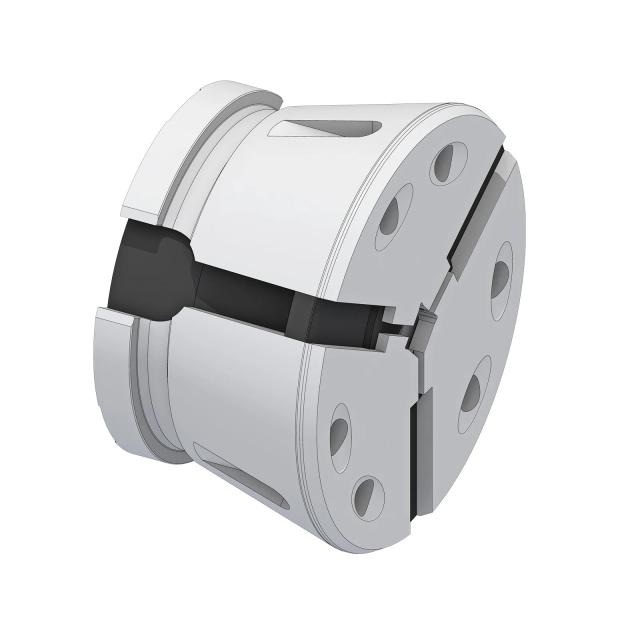
Size SK65 Clamping Head - Smooth Square Collet - Hainbuch
Size SK65 Clamping Head - Smooth Square Collet - Hainbuch
- Size 65 Hainbuch Collet (Clamping Head)
- Square profile
- Extremely rigid clamping system
- Smooth for minimal clamping marks
- ≤0.01mm run-out accuracy possible
£406.00 excl. VAT
£487.20 incl. VAT

Size SK65 Clamping Head - Serrated Square Collet - Hainbuch
Size SK65 Clamping Head - Serrated Square Collet - Hainbuch
- Size 65 Hainbuch Collet (Clamping Head)
- Square profile
- Extremely rigid clamping system
- Serrations for powerful clamping
- ≤0.01mm run-out accuracy possible
£259.00 excl. VAT
£310.80 incl. VAT
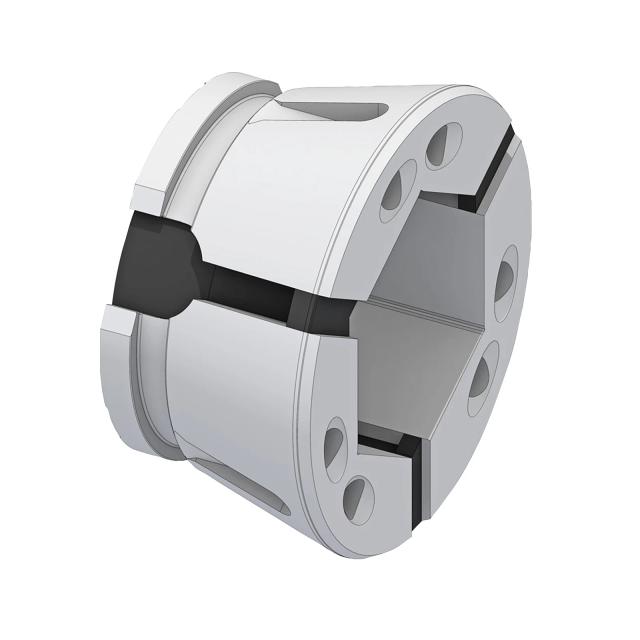
Size SK65 Clamping Head - Smooth Hexagon Collet - Hainbuch
Size SK65 Clamping Head - Smooth Hexagon Collet - Hainbuch
- Size 65 Hainbuch Collet (Clamping Head)
- Hexagon profile
- Extremely rigid clamping system
- Smooth for minimal clamping marks
- ≤0.01mm run-out accuracy possible
£259.00 excl. VAT
£310.80 incl. VAT
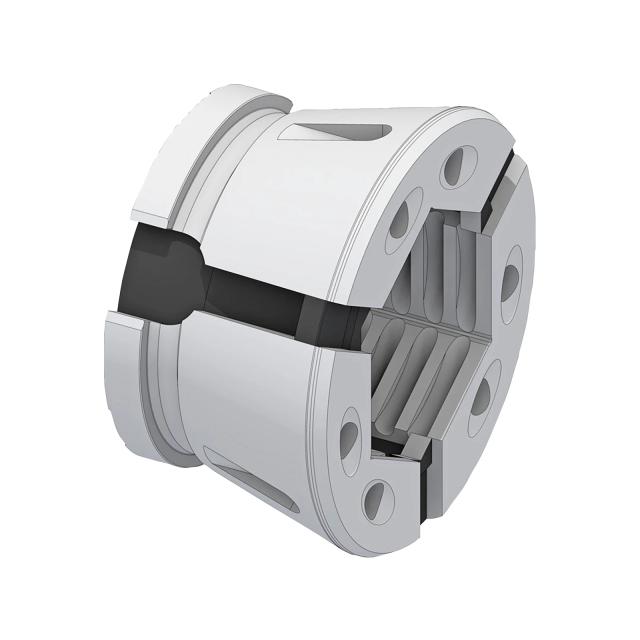
Size SK65 Clamping Head - Serrated Hexagon Collet - Hainbuch
Size SK65 Clamping Head - Serrated Hexagon Collet - Hainbuch
- Size 65 Hainbuch Collet (Clamping Head)
- Hexagon profile
- Extremely rigid clamping system
- Serrations for powerful clamping
- ≤0.01mm run-out accuracy possible
£259.00 excl. VAT
£310.80 incl. VAT
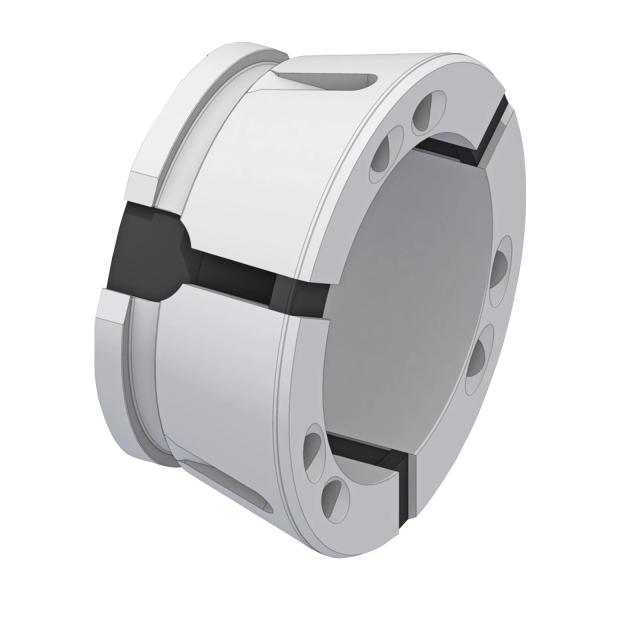
Size SK80 Clamping Head - Smooth Round Collet - Hainbuch
Size SK80 Clamping Head - Smooth Round Collet - Hainbuch
- Size 80 Hainbuch Collet (Clamping Head)
- Round profile
- Extremely rigid clamping system
- Smooth for minimal clamping marks
- ≤0.01mm run-out accuracy possible
£350.00 excl. VAT
£420.00 incl. VAT
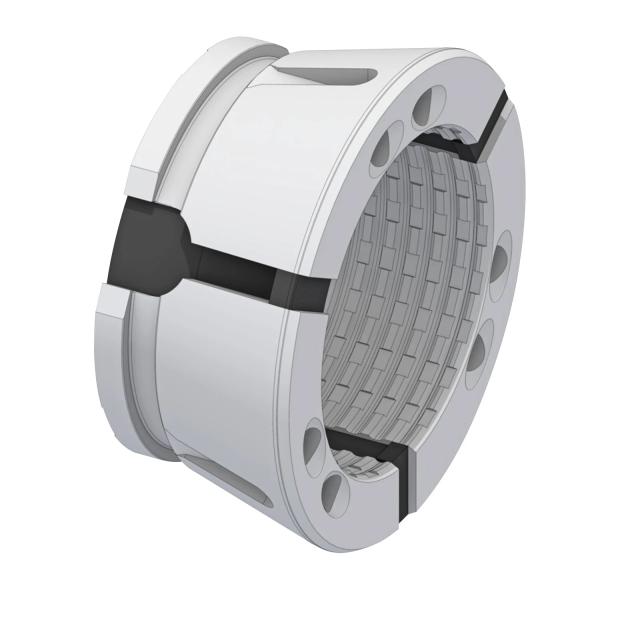
Size SK80 Clamping Head - Serrated Round Collet - Hainbuch
Size SK80 Clamping Head - Serrated Round Collet - Hainbuch
- Size 80 Hainbuch Collet (Clamping Head)
- Round profile
- Extremely rigid clamping system
- Serrations for powerful clamping
- ≤0.01mm run-out accuracy possible
£350.00 excl. VAT
£420.00 incl. VAT
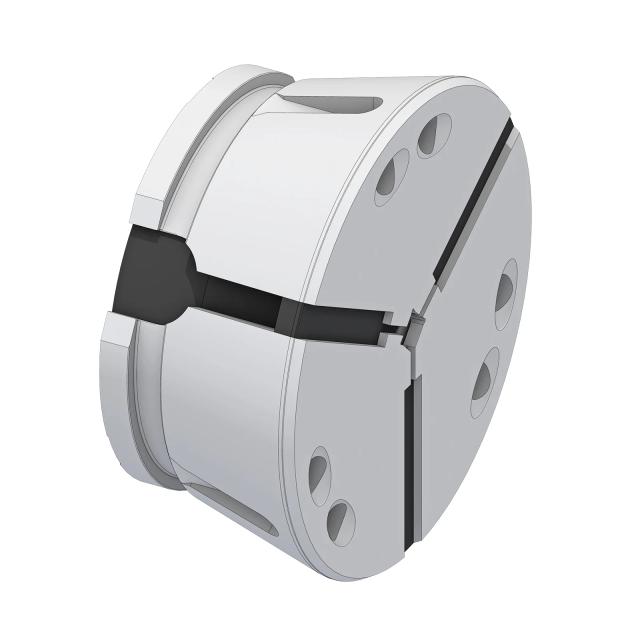
Size SK80 Clamping Head - Smooth Square Collet - Hainbuch
Size SK80 Clamping Head - Smooth Square Collet - Hainbuch
- Size 80 Hainbuch Collet (Clamping Head)
- Square profile
- Extremely rigid clamping system
- Smooth for minimal clamping marks
- ≤0.01mm run-out accuracy possible
£532.00 excl. VAT
£638.40 incl. VAT
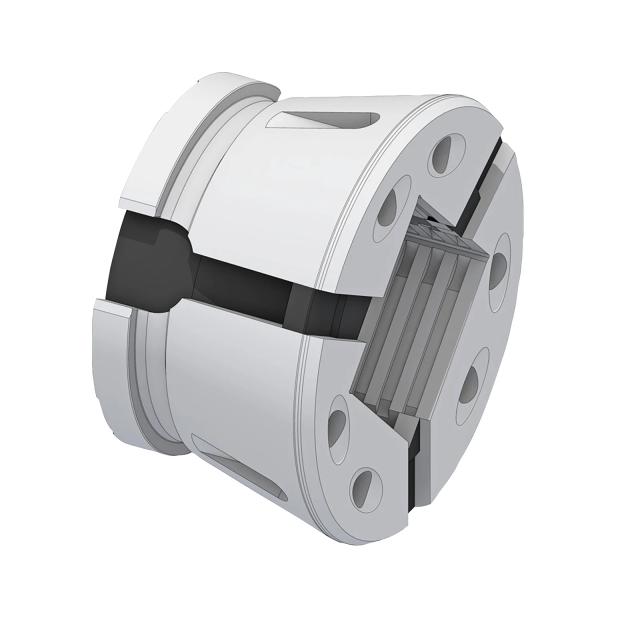
Size SK80 Clamping Head - Serrated Square Collet - Hainbuch
Size SK80 Clamping Head - Serrated Square Collet - Hainbuch
- Size 80 Hainbuch Collet (Clamping Head)
- Square profile
- Extremely rigid clamping system
- Serrations for powerful clamping
- ≤0.01mm run-out accuracy possible
£407.00 excl. VAT
£488.40 incl. VAT
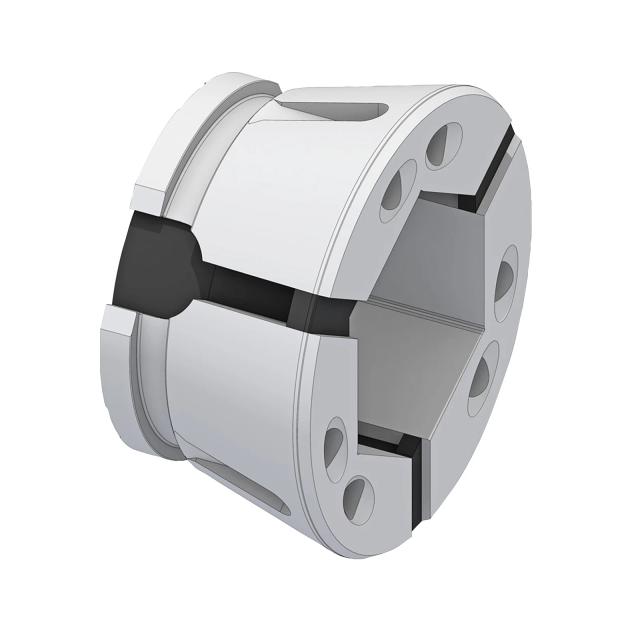
Size SK80 Clamping Head - Smooth Hexagon Collet - Hainbuch
Size SK80 Clamping Head - Smooth Hexagon Collet - Hainbuch
- Size 80 Hainbuch Collet (Clamping Head)
- Hexagon profile
- Extremely rigid clamping system
- Smooth for minimal clamping marks
- ≤0.01mm run-out accuracy possible
£532.00 excl. VAT
£638.40 incl. VAT
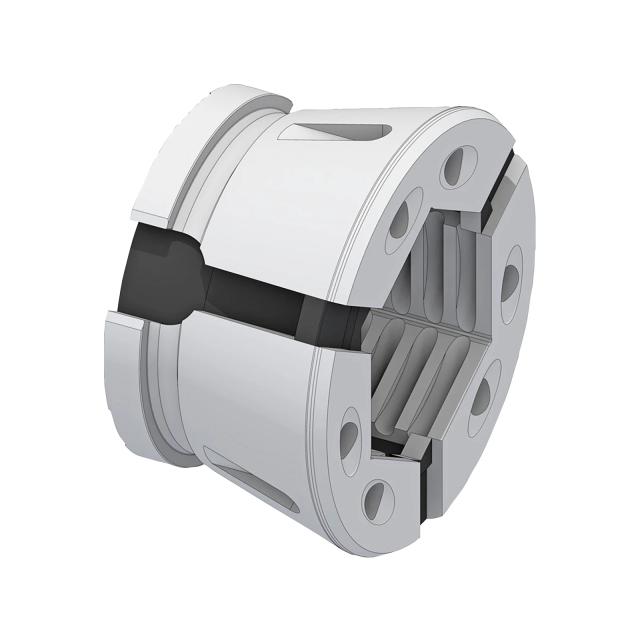
Size SK80 Clamping Head - Serrated Hexagon Collet - Hainbuch
Size SK80 Clamping Head - Serrated Hexagon Collet - Hainbuch
- Size 80 Hainbuch Collet (Clamping Head)
- Hexagon profile
- Extremely rigid clamping system
- Serrations for powerful clamping
- ≤0.01mm run-out accuracy possible
£407.00 excl. VAT
£488.40 incl. VAT
Frequently Asked Questions
A Hainbuch clamping head is the gripping element of the Hainbuch modular clamping system (the collet-like component that closes onto the workpiece to hold it). Unlike a conventional slotted spring collet a Hainbuch clamping head is built from steel clamping segments bonded into a rubber sleeve by vulcanisation so the steel segments grip the work and the rubber provides the flex that lets the head open and close. The result is a full-surface grip over a wide arc, with the runout and the concentricity of a precision collet and the damping and the marking-free grip of a soft jaw.
The head is the consumable of the system (the part changed for each workpiece diameter) and it mounts in a Hainbuch chuck body (the SPANNTOP, TOPlus or MANOK).
Because the head is separate from the chuck, one chuck covers a wide range of diameters simply by swapping heads, which is the core of the modular system and the reason it differs so fundamentally from a fixed-bore collet.
The SK number is the Hainbuch chuck size (SK42, SK52, SK65, SK80, SK100 & SK130 in the common range) and it sets the physical size of the chuck body and the clamping heads it takes. The size determines the maximum clamping diameter (a SK65 takes heads up to around 65 mm), the drawbar pull, the spindle nose it suits and the speed it will run at.
The clamping head must match the chuck size exactly: an SK65 head fits an SK65 chuck, an SK80 head an SK80 chuck, and the two do not interchange.
Pick the chuck size for the workpiece range you intend to grip. A smaller chuck (SK42, SK52) suits the smaller, higher-speed work; a mid-range (SK65, SK80) covers the bulk of general turning; the larger sizes (SK100, SK130) are for the bigger diameters and the heavier cuts.
Once the chuck size is fixed, the clamping heads are bought to match and a set of heads across the diameter range gives the chuck its full working range.
Tell us the chuck you have (or the workpiece range you need to grip) and we will match the heads to it.
The profile is the shape of the clamping bore (the shape the head grips);
A round profile clamping head grips a round bar or a round workpiece and is by far the most common
A square profile grips square bar or square stock, where a round-bore head would only contact at the corners
A hexagon profile grips hex bar or a hex feature, with the clamping segments formed to the hex so the full flank is gripped rather than just the points.
Match the profile to the workpiece: round for round, square for square, hexagon for hex.
There are also special-profile heads, made to order for an awkward shape (a profiled part, a spline, a gear) that a standard head cannot grip cleanly.
The profile is the first selection after the chuck size, because it sets whether the head will grip the workpiece at all, and the wrong profile will either not fit or will grip only on the high points.
A smooth clamping head has a plain, ground clamping bore where the segments bear on the workpiece over a smooth full arc, which grips a finished or delicate surface without marking it. A serrated clamping head has radial and axial grooves cut into the clamping faces, so the segments bite into the workpiece, giving a higher grip on raw or rough stock that would slip in a smooth head. The two are the Hainbuch equivalent of the soft-jaw and hard-jaw distinction on a conventional chuck.
Choose smooth for the finished work, the second operation and any part that must not be marked (the smooth bore is why Hainbuch is specified for the delicate and the high-tolerance work).
Choose serrated for the raw bar, the rough casting and the first operation, where grip is what matters and a few marks are acceptable.
The two interchange on the same chuck, so a set-up can move from a serrated first-operation head to a smooth second-operation head in the time it takes to swap them.
The hexagonal clamping head (the TOPlus geometry) has six clamping segments arranged around the bore rather than the fewer segments of the round head, giving a full-surface grip on a round workpiece and up to 25% more clamping force from the same chuck actuating force.
The six-segment grip also gives a higher rigidity and a better concentricity, because the workpiece is supported around more of its circumference, which shows up directly as a better finish and a tighter tolerance on the part.
The hexagonal head is the choice where the cutting forces are high, the tolerance is tight or the workpiece is thin-walled and would distort in a fewer-segment head. The round head remains the everyday choice for the simpler work and the two mount on the same chuck. The 25% force gain and the full-surface grip are the reason the TOPlus has become the standard for the demanding work and the reason the hexagonal head is worth the premium where the work justifies it.
The code breaks down into the chuck size, the head type and the clamping diameter. SK65 is the chuck size (an SK65 chuck).
BZIG is the head type:
B is the clamping head
Z indicates external (outside diameter) clamping
I indicates the reduced front nose (the slim version)
G indicates a smooth clamping bore.
So BZIG is a smooth, reduced-nose, external-clamping head.
The number (48.5) is the clamping diameter in millimetres, the exact bore the head will grip.
Once the code is understood, a head can be specified precisely from the listing: the chuck size, the clamping mode (external Z or internal), the nose form (standard or reduced I), the serration (smooth G or serrated), the profile (round rd, hexagon, square) and the clamping diameter.
The code is the surest way to order the exact head, because every parameter is named.
Our team of in-house, time-served engineers can decode any head from the code or from the chuck and the workpiece.
The clamping heads are sized in fine increments (0.5 mm steps through the common range) from a few millimetres up to near the chuck diameter.
An SK65 head, for example, covers clamping diameters from around 3 mm up to around 65 mm, with a head for each standard diameter and half-millimetre step in between.
Each head is bore-specific: it grips one nominal diameter, with a small clamping range around it and the next diameter up or down takes the next head.
This is the key difference from a conventional spring collet, which has a wide clamping range per collet. The Hainbuch head is precision-bored to the nominal diameter, which is why the runout is so tight and the grip so full-surface: the head is matched to the work.
For a non-standard diameter, a head can be bored to size (the soft-head equivalent of a soft jaw), which is how odd sizes and second-operation diameters are covered.
Tell us the workpiece diameter and we will supply the matching head, or arrange the boring for a special.
Yes.
The heads come in external (OD) and internal (ID) clamping forms. An external clamping head (the Z type) closes inward onto the outside diameter, gripping a bar, a shaft or any external surface.
An internal clamping head (the ID type) expands outward against the inside of a bore, gripping a ring, a tube or a part with a finished bore. The two use the same chuck body, with a different head and a different drawbar action (pull-back for external, push-out for internal).
The ability to switch between OD and ID clamping on the same chuck is one of the great strengths of the modular system, because a ring or a bush can be gripped on its bore for one operation and on its OD for the next, without a second chuck.
The SPANNTOP mini even allows a quick change-over between OD and ID clamping in a couple of minutes which is how the system handles the complete machining of a part in one set-up.
A Hainbuch clamping head is capable of a runout of 0.01 mm or better because the system is specified to grip concentric to the chuck axis within a few thousandths of a millimetre.
The full-surface grip and the precision-bore head are the reason because the workpiece is supported around its full circumference and gripped in a bore ground to its exact diameter, so the runout is set by the chuck and the head, not by the play and the asymmetry of a slotted collet.
The accuracy holds over the clamping range and over repeated clamping cycles because the rubber-bonded segments return to the same position each time.
The hexagonal TOPlus head gives the best of the runout figures, because the six-segment grip supports the workpiece most fully.
For the high-tolerance work (a concentricity callout, a thin-walled part, a second operation that must run true) the Hainbuch head is the specified solution precisely because of this runout performance.
The standard clamping head (the SE form) is the full-length head, with the clamping bore running the standard length and the nose at the full chuck diameter.
The reduced-nose head (the RD form, often the I version in the code) has the front nose turned down below the chuck diameter, so the head can reach past an obstruction or into a recess where the standard nose would foul. The clamping bore is the same; the difference is the outside form at the front of the head.
Choose the reduced nose where the workpiece has a shoulder, a recess or a feature that the head must reach past and go for the standard where the reach is not an issue.
The reduced nose is the common choice on the smaller diameters where the work is often a shouldered part; the standard is the everyday choice for plain bar and straightforward work. The two mount on the same chuck and take the same clamping diameter, so the choice is purely about the clearance the job needs.
A clamping head adapter is an accessory that lets a smaller clamping head mount in a larger chuck so that it turns a large clamping head seat into a small one, meaning single large chuck can take the smaller heads and cover the smaller diameters.
Without an adapter each chuck size takes only its own size of head; with an adapter, an SK80 chuck can take SK65 heads, an SK65 can take SK52 heads and so on, extending the diameter range of a single chuck downward.
The adapter is the economical way to cover a wide diameter range from a single chuck and the quick way to change over to another clamping diameter without changing the chuck.
It is the choice where the workpiece range spans more than one chuck size but the machine is set up for one chuck and where the change-over time must be kept short.
The adapter is a precision part (it preserves the concentricity of the system) and it is bought to match both the chuck size and the head size it bridges.
A Hainbuch clamping head is changed in seconds and it is one of the great strengths of the system.
The head is released from the chuck body with a quarter-turn of the retaining nut (or a release of the quick-change lock, depending on the chuck), the head slides out, the new head slides in and the nut is retightened.
No tools beyond the chuck key or the quick-change wrench and no setting because the head seats on the chuck register and is concentric by the fit, so the runout is restored the moment the new head is clamped.
The speed of the change is what makes the modular system so productive: a different diameter, a different profile, a different serration, even a switch from OD to ID clamping, all in the time it takes to swap a head.
The SPANNTOP and TOPlus power chucks allow automatic change-over of heads and end-stops on the AC line, which is the basis for the automation of clamping on a bar-fed CNC.
For the manual work, the change is a few seconds at the chuck.
Keep the clamping bore and the chuck seat clean.
The accuracy of the system depends on the head seating cleanly on the chuck register and the clamping segments bearing cleanly on the work, so swarf and coolant residue between the head and the chuck or in the clamping bore, is the most common cause of a head that does not run true. Wipe the chuck seat and the head register before fitting and brush the clamping bore clear of swarf before each use.
Inspect the rubber bond periodically because the vulcanised rubber that holds the steel segments should be intact and resilient; a head with a perished or damaged bond will not grip concentric and should be replaced.
Do not exceed the clamping force the head is rated for because over-clamping will distort the segments and reduce the runout.
Store heads racked and clean, by size and use the Hainbuch care set for the periodic cleaning and lubrication the system asks for.
A cared-for head will give years of accurate service whereas a neglected one will lose its runout long before it wears out.
Start with the chuck you have (or the workpiece range you need to grip) and build the head set around the diameters you actually work.
A starter set is a handful of round smooth heads in your common diameters (the ones you grip most often) plus a serrated head or two for the raw stock. Add a square or a hexagon head if you work those profiles, an internal head if you grip on a bore, and a reduced-nose head or two if your work has shoulders or recesses.
Add a clamping head adapter if your diameter range spans two chuck sizes and a care set for the periodic maintenance the system asks for.
Tell us the chuck size, the workpiece diameters and profiles & the operations you run and our team of in-house, time-served engineers will put together the matched head and accessory set that fits your chuck straight out of the box.
They will also advise on the boring of special heads for any non-standard diameters.