




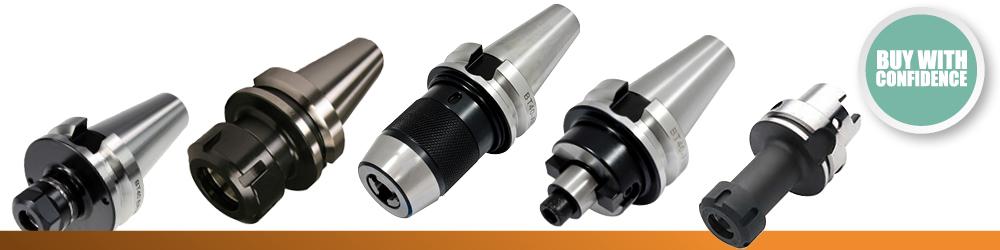
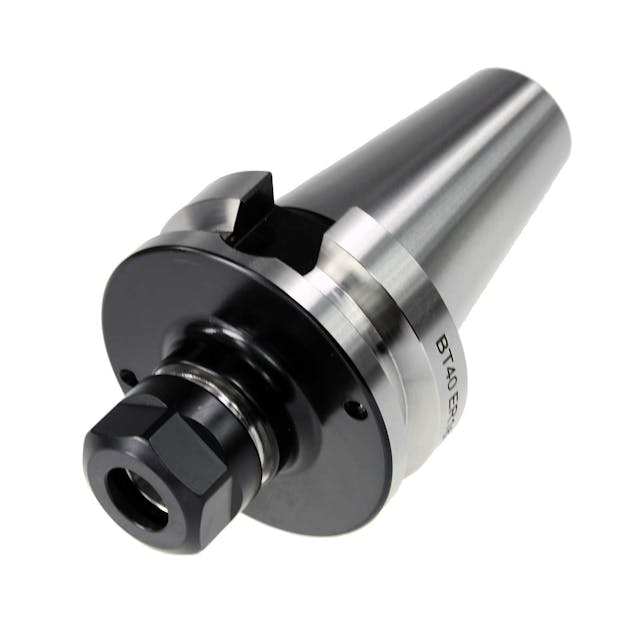
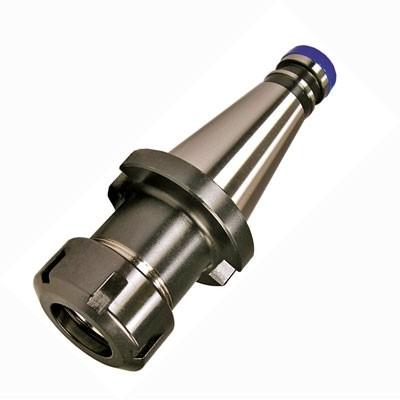
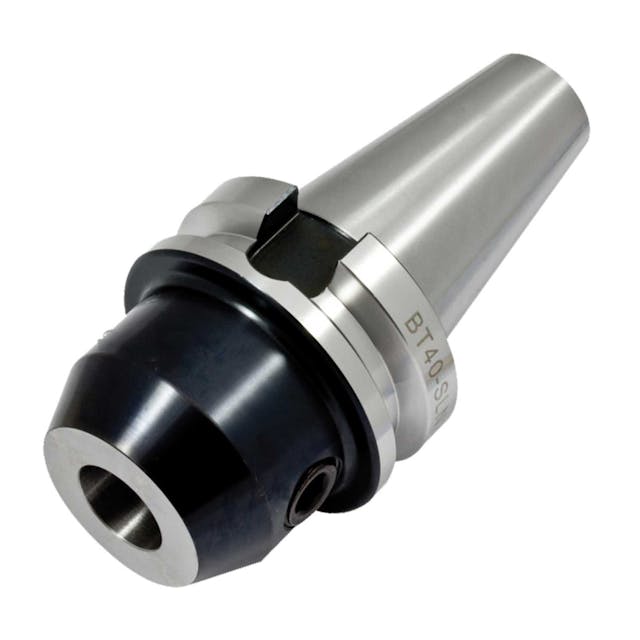
BT40 ER Collet Chucks
BT40 taper (BT MAS)
Balanced at 12,000 rpm G2.5
Buy 5 for £99 - Mix & Match - This offer is only available by phone
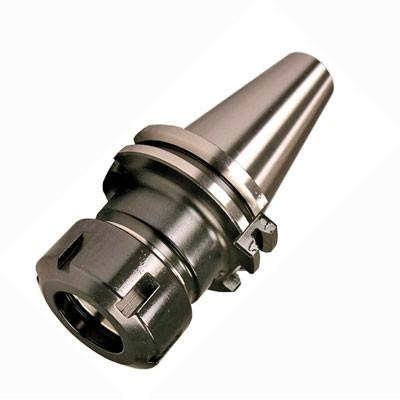
SK40 ER collet chucks
SK40 taper (DIN69871)
Balanced at 12,000 rpm G2.5
Buy 5 for £99 - Mix & Match - This offer is only available by phone
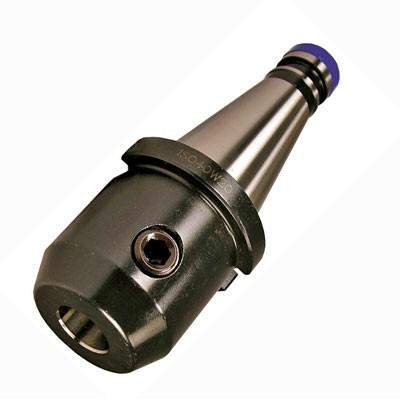
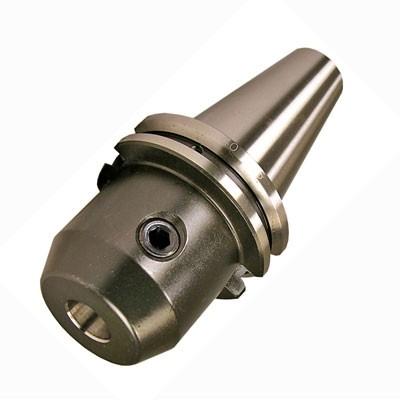
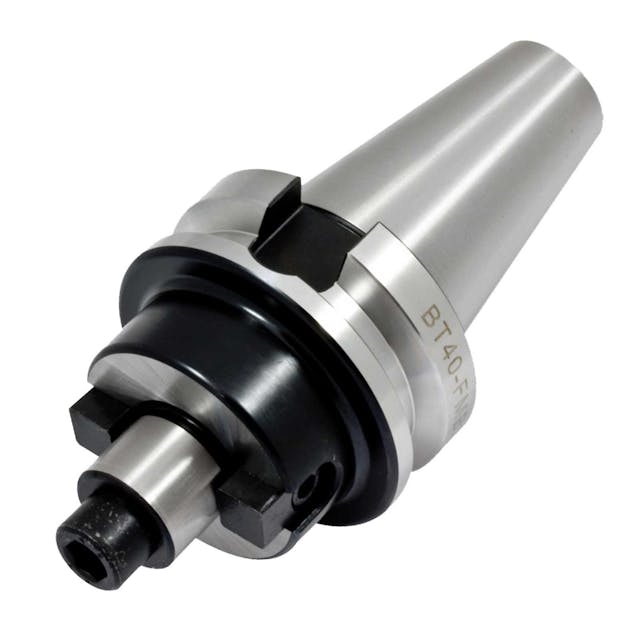
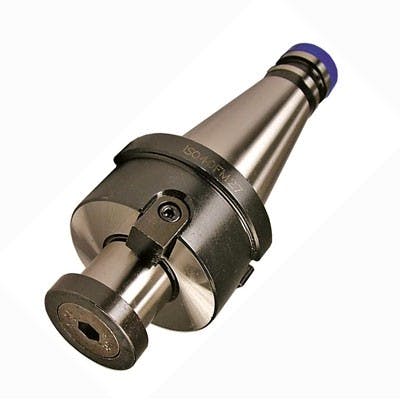
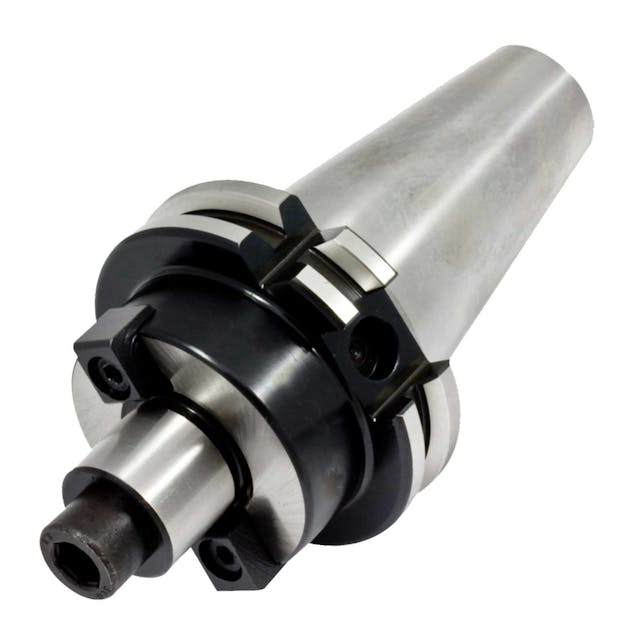
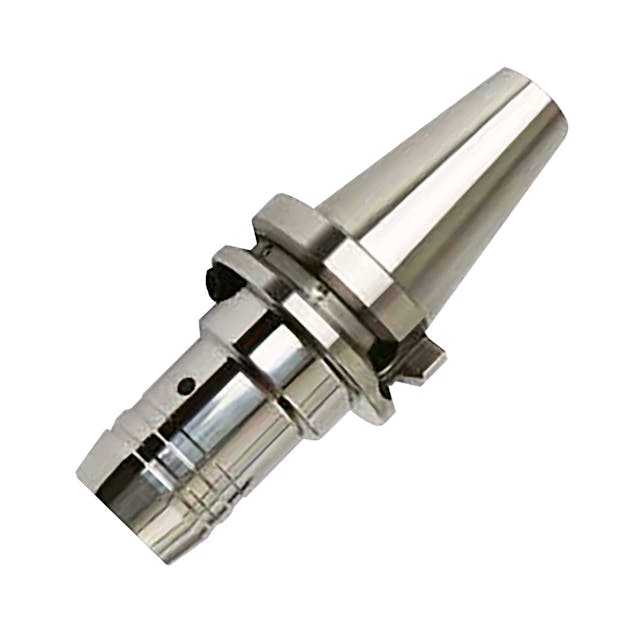
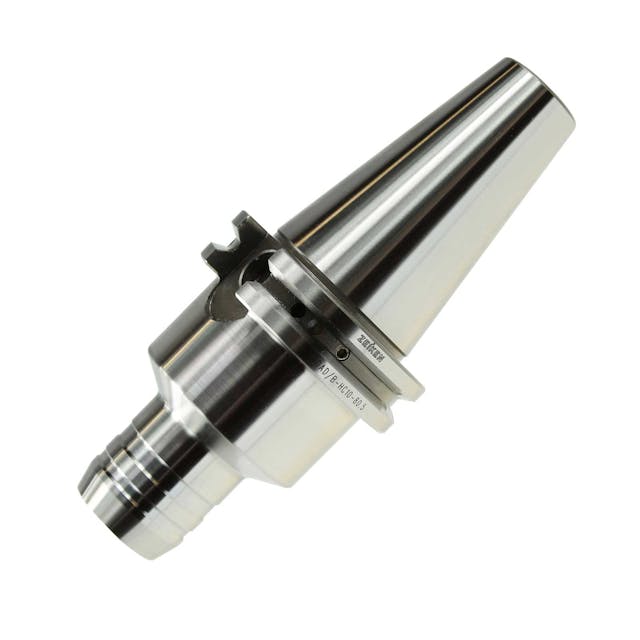
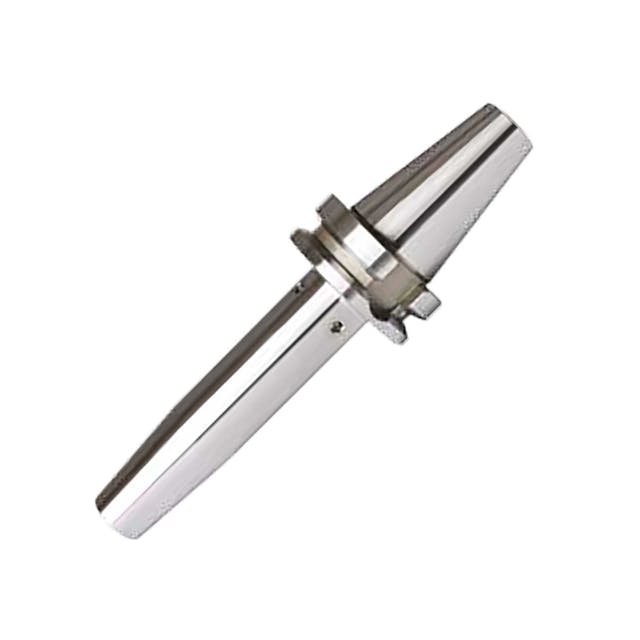
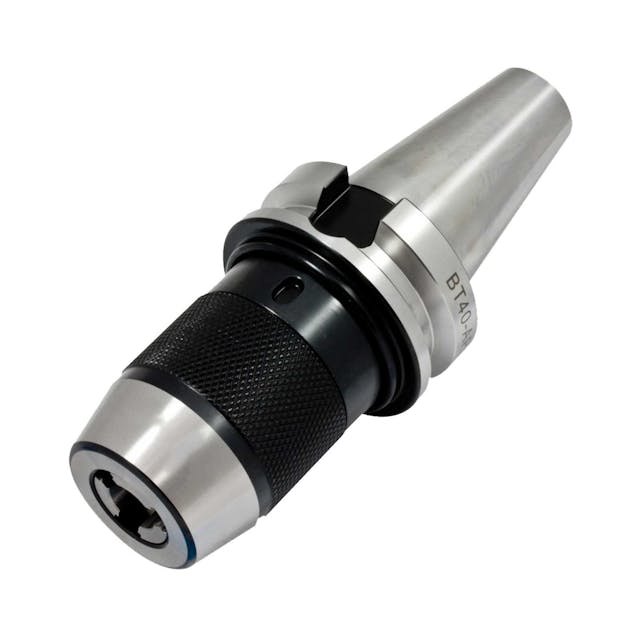
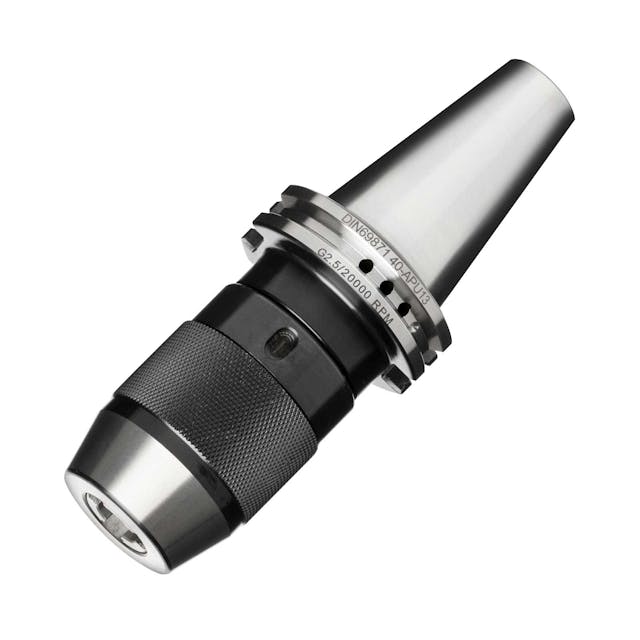
Drill Chuck for use in SK40 spindle tooling systems, available in 1-13mm drill range and 1-16mm drill range.
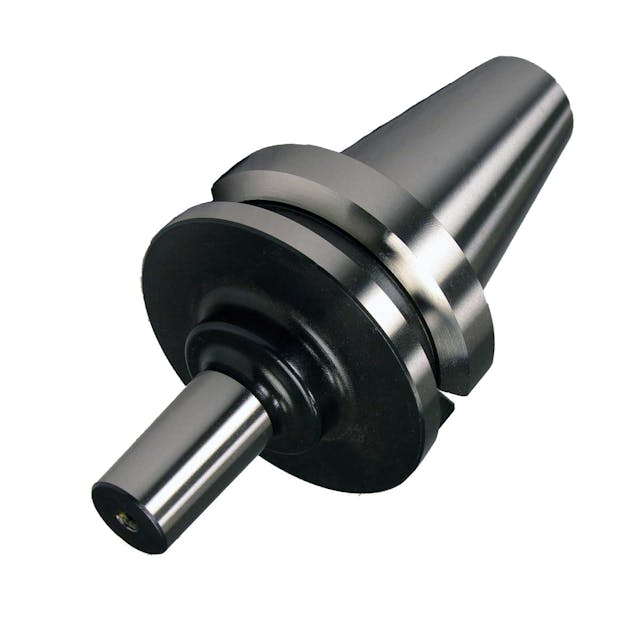

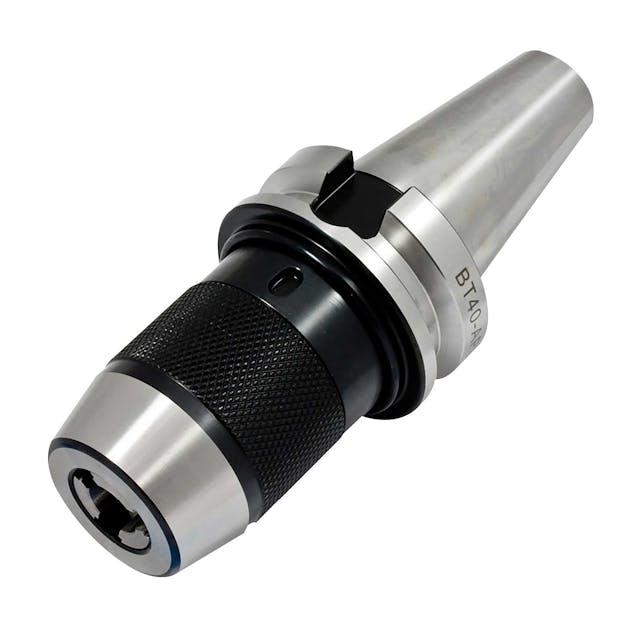
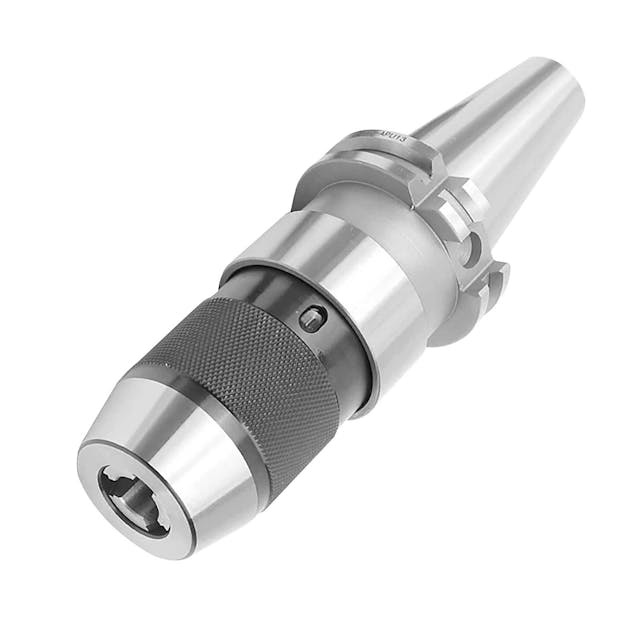
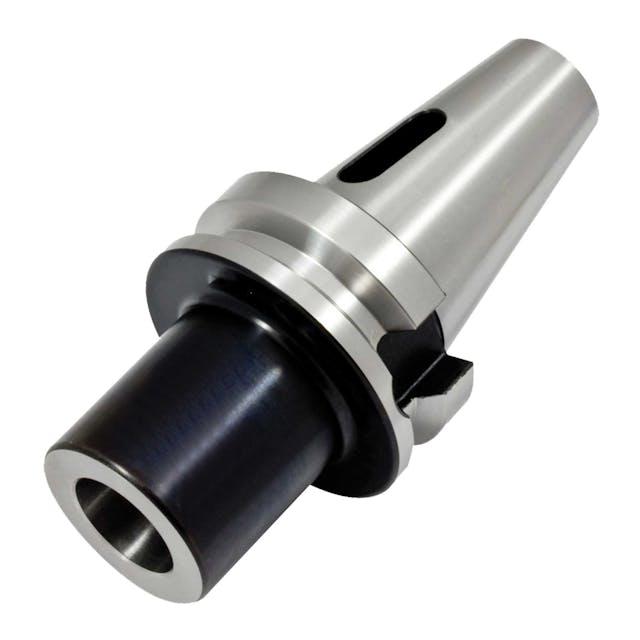
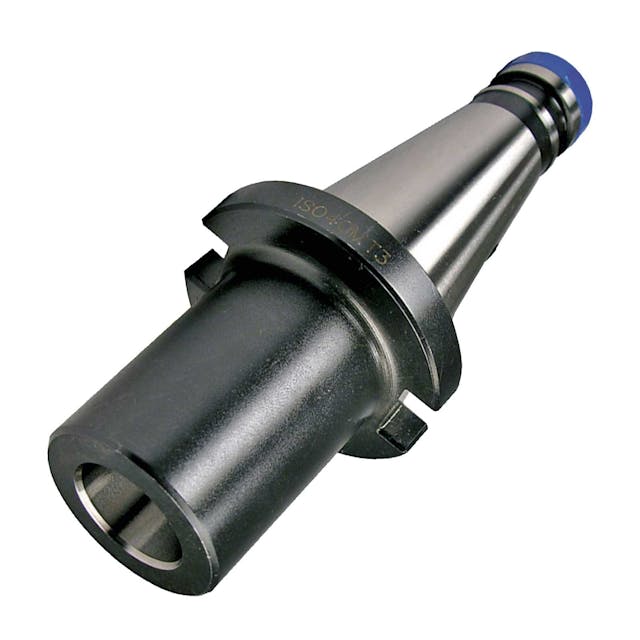
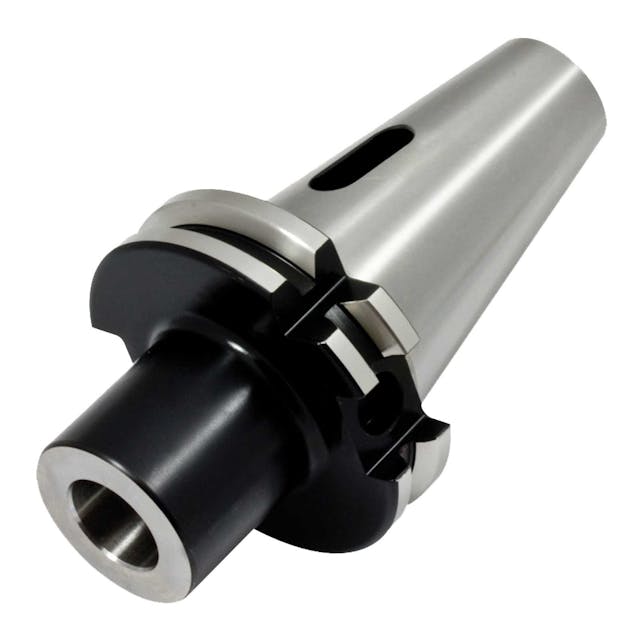
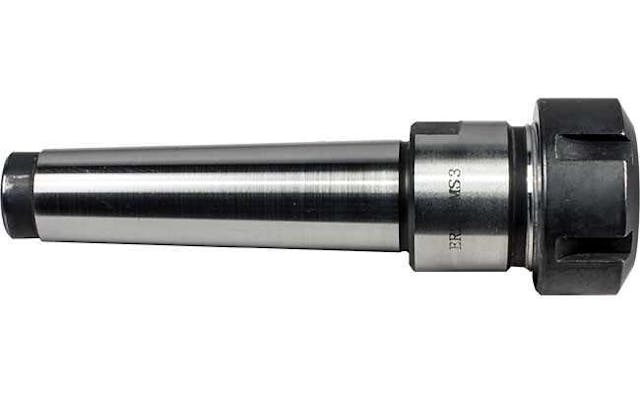
Features:
Spindle tooling, also called "toolholding" or "machine tooling" refers to the adapter that connects a cutting tool (end mill, face mill, etc) to the machine spindle.
It is a critical element of the machining system that is often underestimated. Even the highest quality cutting tool will underperform if held in a poor quality or mismatched toolholder.
The toolholder affects:
Runout: any eccentricity between the tool axis and the spindle axis directly reduces dimensional accuracy and increases tool wear asymmetrically
Rigidity: a rigid, well-clamped tool deflects less under cutting forces enabling higher feeds and improved surface finish
Balance: at elevated spindle speeds even small imbalances create centrifugal forces that cause vibration, accelerate spindle bearing wear and degrade surface quality
Tool life: poor clamping, high runout and vibration all reduce cutting tool life significantly.
Quality spindle tooling is not an area to economise on as it pays for itself in tool life, surface finish, and spindle longevity.
We stock toolholders to all major international taper standards, see below for Taper Standard, Common Names & Typical Machine Types:
BT MAS (BT40, BT50, BT30): BT-Japanese MAS 403 standard / Very widely used on CNC machining centres; BT40 is the dominant size for mid-size VMCs and HMCs
DIN 69871 (SK40, SK50, SK30): SK-German DIN standard also called "DIN shank" or "steep taper" / which are Common on European CNC machining centres and older NC machines with SK40 being the most common
DIN 2080 (ISO40, ISO50, ISO30): ISO taper; manual retention (pull stud not used) / Older manual and NC milling machines; requires a draw bar rather than an automatic tool changer gripper groove
HSK (DIN 69893) - HSK50, HSK63: Hollow taper shank / High-speed machining centres; simultaneous face and taper contact for superior rigidity - lower mass for faster tool changes
Morse Taper (MT1–MT5): MT - standard machine taper / Drilling machines, lathes, older milling machines, and manual equipment
Straight shank: Plain cylindrical shank / Used with drill chucks, collet chucks, and specialised adaptors where a tapered spindle connection is not required
Not sure which taper your machine uses?
Check your machine's spindle specification: it will be listed in the machine manual or on the machine data plate. The most common combination in a modern UK workshop is BT40 or SK40 and if you have any doubt please contact us with your machine make and model and we'll advise.
Our range covers the principal toolholder types used in CNC milling and machining centres:
ER Collet Chucks: the most versatile and widely used toolholder type which accepts a very wide range of tool shank diameters through collet sets (ER16, ER25, ER32, ER40) offering good runout and suitable for most general-purpose milling, drilling and reaming operations
End Mill Holders: dedicated side-lock holders for weldon-flat shank end mills. A grub screw locates against the flat on the tool shank providing good axial pull-out resistance and high clamping force making them suitable for heavy cuts with larger end mills
Face Mill Arbors: for mounting face milling cutters, shell mills and indexable milling bodies and are available with 22mm and 27mm spigot diameters to suit the arbor bore of the face mill
Drill Chucks: three-jaw keyless chucks for holding drills, reamers and other round-shank tools making them convenient for drilling operations where frequent tool diameter changes are needed
Morse Taper Adaptors: reduce from machine taper (BT, SK, ISO) to Morse Taper (MT1–MT5) for use with Morse-shank drills, reamers and boring heads
No, BT40 & SK40 are not interchangeable despite having the same 7:24 taper angle (the same as ISO40).
The critical differences between the two are:
Retention stud (pull stud / retention knob): BT holders use a double-ended pull stud (BT type), threaded at the top to match the automatic toolchanger gripper. SK holders use a single-ended pull stud (DIN 69871 type). The thread forms are different and the studs are not cross-compatible
Flange dimensions: the V-flange geometry for the ATC arm gripper differs subtly between BT and SK, meaning an SK holder will not seat correctly in a BT ATC and vice versa
Balance groove: BT holders have a specific orientation groove whereas SK holders use a different key/groove arrangement.
Always confirm the exact taper designation of your machine spindle and order holders to match.
Both ISO40 & SK40 use a 7:24 taper of the same angle and nominal size but they differ fundamentally in their retention system:
ISO40 (DIN 2080): the older standard retained by a draw bar that threads into the back of the holder and is manually tightened. There is no gripper groove for an automatic tool changer. Commonly found on older Bridgeport-style knee mills, older manual NC machines and some European machining centres with manual tool changing
SK40 (DIN 69871): the modern standard for automatic tool changing. Retained by a pull stud engaged by an automatic tool clamp mechanism in the spindle, with a V-flange for the ATC arm gripper. This is the standard used on the majority of modern European CNC machining centres.
ISO40 & SK40 holders have the same body taper and will physically fit the same spindle taper bore, but the retention system is completely different so using an SK holder in an ISO40 machine (draw bar) will not clamp it correctly.
HSK (Hohlschaftkegel — "hollow taper shank") is defined by DIN 69893 and represents the modern high-performance alternative to the 7:24 taper family (BT/SK/ISO).
Key characteristics:
Dual contact: the HSK taper achieves simultaneous contact at both the taper and the face of the spindle (two-point contact). Under clamping force, the hollow shank expands slightly to fill the spindle bore. This provides significantly greater rigidity and repeatability compared to 7:24 tapers where only the taper surface makes contact
Shorter, lighter: the smaller, lighter design allows faster tool changes and reduces imbalance effects at high speeds
Better high-speed performance: the rigidity advantage of dual contact becomes increasingly significant as spindle speed increases - HSK is the preferred choice for spindle speeds above 15,000 RPM
Repeatability: sub-micron axial and radial repeatability which is important for high-precision die/mould work and aerospace components.
We stock HSK50 and HSK63 which are the two most common sizes in production CNC machining. If your machine is equipped with an HSK spindle always use HSK holders to exploit the full capability of the spindle interface.
Both hold end mills, but they differ in clamping mechanism and application suitability:
Clamps via radial compression of a split collet
Holds any smooth-shank tool within the collet's range
Good runout (typically <0.005–0.010mm at the collet nose)
Suitable for general milling, drilling, reaming, light to medium cuts
Very flexible with one chuck body accepting many tool diameters via collet changes.
End Mill Holder (Weldon / Side Lock)
Clamps via a grub screw that bears against a flat ground on the tool shank (Weldon flat)
Provides positive axial retention meaning the tool cannot pull out under heavy axial loads
Suitable for heavy side milling, aggressive cuts with large-diameter end mills where axial pull-out forces are significant
Less flexible with a fixed bore size for a specific shank diameter
Slightly higher radial runout than a precision collet chuck due to the single-point clamping action.
For the majority of CNC milling operations an ER collet chuck is the better choice. Use an end mill holder specifically when machining with large-diameter Weldon-shank end mills under heavy cutting conditions.
All toolholders in our spindle tooling range carry a balance specification such as G6.3 at 15,000 rpm or G2.5 at 12,000 rpm.
This refers to the ISO 1940-1 standard for rotor balance quality grades:
G6.3: the standard balance grade for general workshop tooling; appropriate for spindle speeds up to approximately 8,000–15,000 rpm depending on the machine
G2.5: a finer balance grade with lower residual imbalance making it suitable for higher speeds and more sensitive machining (some of our BT40 and SK40 collet chucks are balanced to G2.5 at 12,000 rpm)
Why does balance matter?
An imbalanced toolholder spinning at high speed creates centrifugal forces that manifest as vibration.
This vibration:
Degrades surface finish (leaves chatter marks)
Reduces cutting tool life
Accelerates machine spindle bearing wear and shortens spindle life
For spindle speeds above 10,000 rpm always use balanced toolholders. For high-speed machining above 15,000 rpm you should consider precision-balanced holders (G2.5 or better) with the tool assembly balanced as a complete unit.