




Anti-Vibration Boring Systems
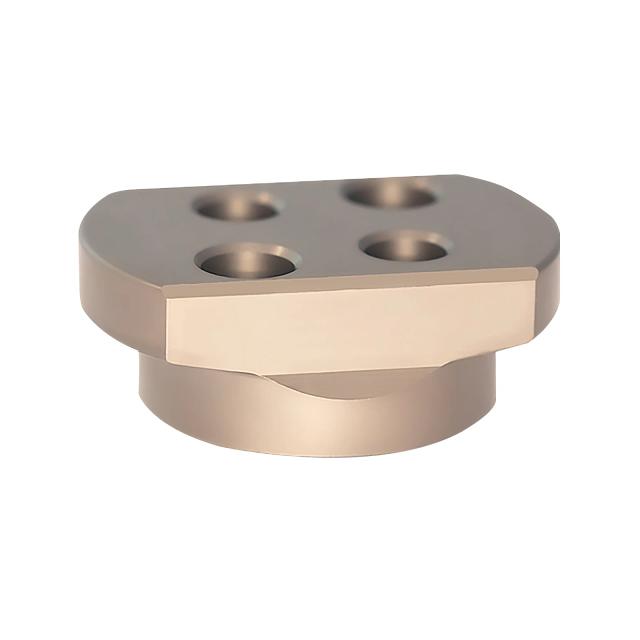
Precision Orientation Attachment For Modular Boring Bars - Europa QuietBore
Precision Orientation Attachment For Modular Boring Bars - Europa QuietBore
- For precise setting of QuietBore boring heads
- AVO.16-25 to suit AVB.16-AVB.25 modular boring bars
- AVO.32-60 to suit AVB.32-AVB.60 modular boring bars
£30.86 excl. VAT
£37.03 incl. VAT

TCLNR Style Anti Vibration Boring Head - Europa QuietBore
TCLNR Style Anti Vibration Boring Head - Europa QuietBore
- For CNMG style inserts
- Rigid top clamp insert mounting
- Through coolant
- Suitable for AVB style boring bars
£132.00 excl. VAT
£158.40 incl. VAT
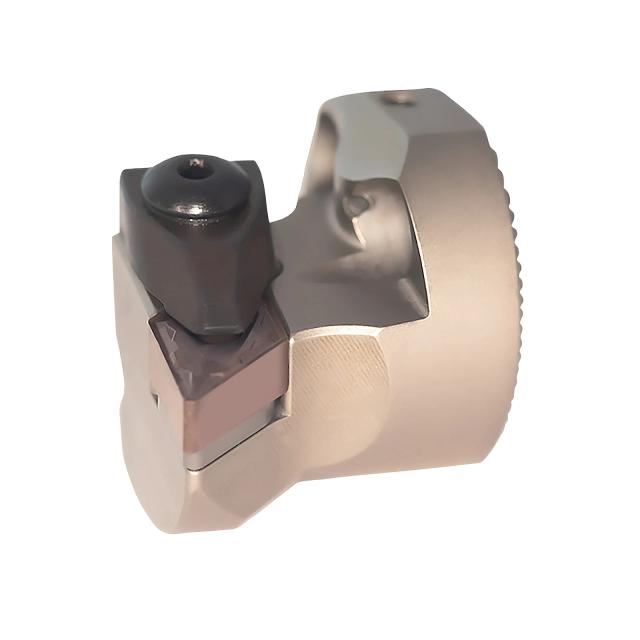
TDUNR Style Anti Vibration Boring Head - Europa QuietBore
TDUNR Style Anti Vibration Boring Head - Europa QuietBore
- For DNMG style inserts
- Rigid top clamp insert mounting
- Through coolant
- Suitable for AVB style boring bars
£132.00 excl. VAT
£158.40 incl. VAT

SCLCR Style Anti Vibration Boring Head - Europa Quietbore
SCLCR Style Anti Vibration Boring Head - Europa QuietBore
- For CCMT style inserts
- Through coolant
- Suitable for AVB style boring bars
£85.70 excl. VAT
£102.84 incl. VAT

SDUCR Style Anti Vibration Boring Head - Europa QuietBore
SDUCR Style Anti Vibration Boring Head - Europa QuietBore
- For DCMT style inserts
- Through coolant
- Suitable for AVB style boring bars
£85.70 excl. VAT
£102.84 incl. VAT

STFCR Style Anti Vibration Boring Head - Europa QuietBore
STFCR Style Anti Vibration Boring Head - Europa QuietBore
- For TCMT style inserts
- Through coolant
- Suitable for ABH style boring bars
£89.13 excl. VAT
£106.96 incl. VAT
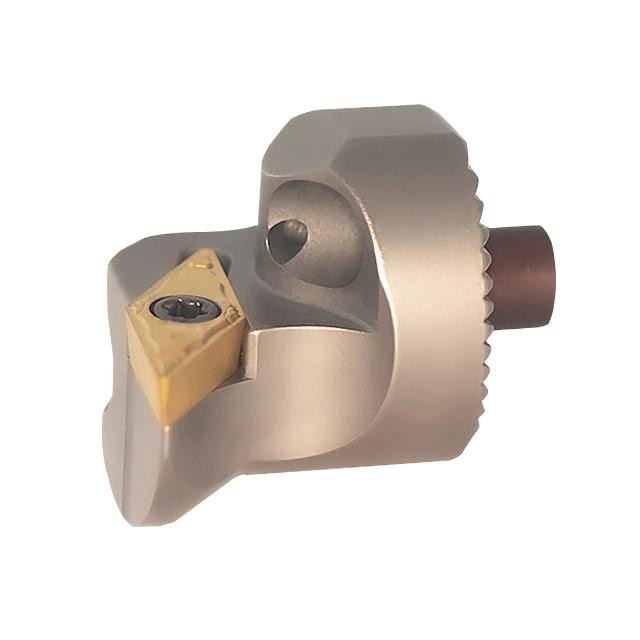
SVUCR Style Anti Vibration Boring Head - Europa QuietBore
SVUCR Style Anti Vibration Boring Head - Europa QuietBore
- For VCMT style inserts
- Through coolant
- Suitable for ABH style boring bars
£89.13 excl. VAT
£106.96 incl. VAT
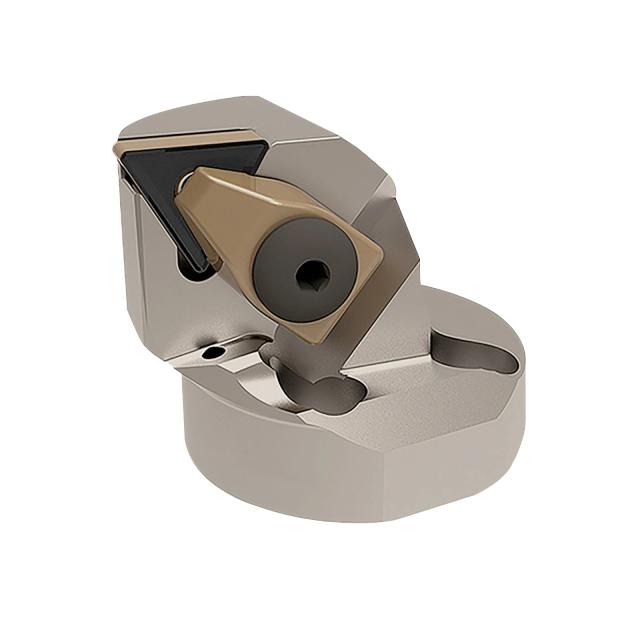
TFFNR Style Anti Vibration Boring Head - Europa QuietBore
TFFNR Style Anti Vibration Boring Head - Europa QuietBore
- For TNMG style inserts
- Rigid top clamp insert mounting
- Through coolant
- Suitable for AVB style boring bars
£132.00 excl. VAT
£158.40 incl. VAT
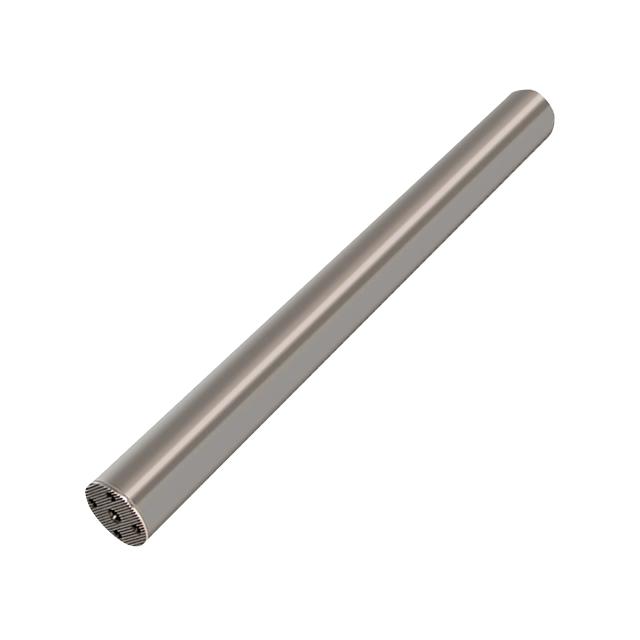
Anti Vibration Modular Boring Bar - Europa QuietBore
Anti Vibration Modular Boring Bar - Europa QuietBore
- Bars available up to 10xD
- Through coolant
- Suitable for all AVH series heads
- 16mm-60mm diameter bars available
£631.30 excl. VAT
£757.56 incl. VAT
Frequently Asked Questions
An anti-vibration boring system is a damped boring bar and head combination designed to cut chatter when a bore is cut at long overhang, because where the boring bar sticks out far from the holder, the slender bar resonates under the cutting load and the surface finish breaks up. A damped bar absorbs the vibration at the source, allowing a clean cut from the same overhang where a solid bar would chatter.
You reach for an anti-vibration system whenever a bore is deep in proportion to its diameter (the territory where boring becomes difficult). As a rule of thumb, a solid steel boring bar starts to struggle past about 4x the bore diameter in overhang, a solid carbide bar around 7x and a damped bar pushes the limit out to 10x and beyond - The Europa QuietBore system in this category is built for exactly that territory.
QuietBore is a modular anti-vibration boring system from Europa Tool.
It is built from three parts;
The AVB modular boring bar: the damped shank, available in 16 mm to 60 mm diameters and rated to 10xD overhang
The AVH modular boring head: the cutting end that carries the indexable insert
The AVO orientation attachment: a setting fixture that locates the head on the bar at the correct angle
Because the system is modular, one damped bar carries a range of heads (a CNMG head for roughing, a CCMT head for finishing, a DNMG or DCMT head for tighter bores) swapping heads as the bore changes rather than buying a damped bar for every insert style.
The bar is the expensive, pageon-heavy part and the heads are the consumable, geometry-specific part.
The AVB bar + AVH head + AVO orientation set is how a QuietBore kit is built.
Chatter in a bore is self-excited vibration where the tool regenerates the waviness it cuts on each pass, the bar resonates at its natural frequency, and the amplitude builds until the finish breaks up and the tool chatters.
The longer and more slender the bar, the lower its natural frequency and the easier it is to excite; once a solid bar is pushed past its length-to-diameter comfort zone, no amount of cutting-parameter fiddling will fully cure it.
A damped bar has an internal absorber (a tuned mass within the bar, often in a damping fluid) that dissipates the vibration energy at resonance. The damping comes from the bar’s construction, not from the cut, so the bar holds the tool still at overhangs where a solid bar would oscillate freely.
The effect is dramatic: a damped bar takes a clean, chatter-free cut at 8-10xD where a solid steel bar at the same overhang is unusable.
The AVB bars are sized by the bar diameter (16, 20, 25, 32, 40, 50 and 60 mm) and rated for a bore overhang up to 10x the diameter. On a 25 mm bar, that means a stable cut out to 250 mm of overhang; on a 40 mm bar, out to 400 mm. The diameter is chosen to clear the bore (the bar must be smaller than the bore, with room for the head and insert) and the length to reach the full bore depth.
Select the smallest bar that comfortably clears the bore wall, ideally a bar that nearly fills the bore leaves little clearance for evacuation and coolant, a bar that is too small wastes the system’s damping capacity. Then choose the length to reach the deepest part of the bore with a working overhang.
QuietBore bars are also supplied through-coolant, so the fluid reaches the cutting edge at the bottom of the deep bores the system is built for.
The AVH boring head is the cutting end of the system where it screws onto the AVB bar and carries a single indexable insert. The head is specified by the ISO-style insert it takes: a TCLNR head for CNMG inserts, a TDUNR for DNMG, an SCLCR for CCMT, an SDUCR for DCMT, an STFCR for TCMT, an SVUCR for VCMT and a TTFNR for TNMG. The letter code on the head matches the insert style, so you choose the head by the insert you intend to use.
Rougher bores use the negative-rake inserts (the CNMG and TNMG negative-rake multi-corner inserts carried in the TCLNR and TTFNR heads) for heavier stock removal in larger bores.
Finishing and smaller bores use the positive-rake single-sided inserts (CCMT, DCMT, TCMT, VCMT in the SCLCR, SDUCR, STFCR and SVUCR heads) which cut freer at light depths and lower feed, ideal for a fine finish in a smaller bore. The L and R in the codes denote left- and right-hand approach.
The code describes the insert geometry to ISO standards;
The first letter is the insert shape: C for 80° diamond, D for 55° diamond, T for triangle, V for 35° diamond, S for square
The second the clearance angle (N for 0° negative-rake, P for positive)
The third and fourth the size
The trailing letter the corner geometry (G for a honed nose, M for a measured nose, T for a chamfered hole).
A CNMG insert is an 80° negative-rake insert with a ground nose; a CCMT an 80° positive-rake insert with a measured nose.
Negative-rake inserts (the N family: CNMG, TNMG, DNMG) are rigid and take heavier cuts in larger bores but need more cutting force and a stronger head.
Positive-rake inserts (the P family: CCMT, DCMT, TCMT, VCMT) cut freer at lighter depths, give a better finish at low feed and suit smaller bores and lighter work.
Match the insert to the bore: a negative insert for a 60 mm rough bore, a positive insert for a 20 mm finish bore, and a positive diamond insert (DCMT, VCMT) where the bore is small or the finish critical.
A rigid top-clamp head seats the insert in a pocket and clamps it from above with a top clamp (a robust method used on the heavier TCLNR, TDUNR and TTFNR heads) for the negative-rake and triangular inserts that take the cutting force of roughing. The top clamp pulls the insert down onto the seating face and holds it square, so the insert cannot lift or rotate under the heavier load of a deep roughing cut.
The lighter screw-on heads (the SCLCR, SDUCR, STFCR and SVUCR) clamp the positive-rake inserts with a single screw through the insert hole, which is sufficient for a positive insert cutting a light finish.
The difference is duty: a top clamp for the heavy cutting force of a negative-rake rougher in a large bore, a screw clamp for the lighter force of a positive-rake finisher in a smaller bore. Pick the head to match the insert style the operation needs (the clamp method follows from that).
Through-coolant delivers the cutting fluid through the bar and the head, directly to the cutting edge and on a deep bore that is the only way to get coolant to the bottom of the hole. External coolant is blown away by the long overhang and never reaches the cutting zone at the bottom of a 10xD bore, so chips pack the bore, the edge runs dry and hot, and the finish and tool life collapse.
The QuietBore bars are designed through-coolant as standard, with the fluid routed through the bar to the head that flushes the chips back up the bore and cools the edge where it actually cuts.
For deep boring, through-coolant is not an option but a necessity and the system is built around it.
The machine must have through-coolant to the boring holder to use the system as designed; an external-coolant-only machine will not deliver the benefit the bar is built for.
The AVO is the setting fixture that locates the AVH head on the AVB bar at the correct orientation before clamping. A modular boring head screws onto the bar by a threaded joint and that joint allows the head to index through a range of angles relative to the bar. The head needs to sit exactly in the orientation that puts the insert on centre line and the cutting edge at the correct lead angle, and the eye is not good enough to set it.
The AVO holds the bar and the head in the correct relative orientation while the joint is clamped, so the insert is set repeatably every time a head is changed. The AVO.16-25 suits the AVB.16 to AVB.25 bars, the AVO.32-60 the AVB.32 to AVB.60 bars.
Buy one AVO for the bar range you run and keep it with the kit . The orientation it sets is the difference between a head that cuts on centre and one that cuts off-centre, with the tapered part and poor finish that follows.
The insert on a boring head must sit exactly on the lathe’s centre height (the distance from the spindle centre line to the cutting tip) for an accurate bore and a clean finish. On a QuietBore head the tip height is set by the head’s geometry and by a height adjustment on the head or by shims beneath the insert, and it is verified by a height gauge or by touching a bar held between centres before the cut.
On a damped bar the criticality is higher, because a tip off-centre changes the geometry the bar is damping for and can re-introduce chatter at exactly the overhangs the bar is built for. A damped bar that is set a few hundredths off centre will not perform to its rated depth and the bore will taper.
Setting centre height once per head, with the AVO to hold the orientation, is what lets the system repeat its rated performance since the damping works only when the geometry is right.
At 10xD the boring bar is ten times longer than its diameter; a slender column that, in solid steel, has a natural frequency low enough to be excited by the cutting force at normal speeds. Once the cut excites the resonance, the bar oscillates, the finish fails and the tool often chatters so hard it pulls the insert. Conventional deep boring is therefore done at low speed, light feed and shallow depth of cut, with multiple passes and still often fails to give a clean finish.
QuietBore makes 10xD boring routine by damping the resonance with the bar’s internal absorber that dissipates the vibration energy at the natural frequency, so the bar holds the tool still at full overhang.
The joint effect is a clean, chatter-free cut at far greater overhang and depth than a solid bar can reach, with a third of the passes and a finish a solid bar cannot produce at that depth.
A one-piece damped bar is built with the head and the bar as a single, monolithic piece; one insert style, one geometry, one operation.
A modular system separates the damped bar (the expensive, precision part) from the head (the consumable, geometry-specific part), so a single bar carries a range of heads for different insert styles, different bore sizes and roughing and finishing.
On a part that is first roughed with a CNMG head and then finished with a CCMT head, a one-piece system needs two damped bars; a modular system needs one bar and two heads.
The cost of the second head is a fraction of the cost of a second damped bar, so the modular system pays back quickly as the variety of bores grows.
The trade-off here is the threaded joint (slightly less rigid than a monolithic bar at the joint) which is why the orientation attachment and correct clamping torque matter.
Start with the bore; its diameter and its depth.
The bar must be smaller than the bore with clearance for the insert head to pass (typically 2-4 mm clearance all round, though in practice the head is chosen to fit the bore first) and the bar length must reach the deepest part of the bore.
Then the head is chosen by the insert style that fits the bore (a positive-rake insert for a smaller or finishing bore, a negative-rake insert for a larger or roughing bore) and by the head that fits the chosen bar diameter.
A sensible first step is the largest bar that clears the bore (more damping, more rigidity), a head that takes the insert style the operation calls for and the grade of insert matched to the workpiece material.
The depth-to-diameter ratio sets whether a damped bar is needed at all; below 4xD a solid bar is usually fine, between 4xD and 7xD a solid carbide bar helps, from 7xD and up the damped QuietBore is the right choice.
Keep the threaded joint between the bar and the head clean and correctly torqued.
The accuracy and the damping both depend on the head seating squarely on the bar because swarf or debris on the joint face throws the head off and the damping suffers. Wipe the joint faces before fitting a head, use the AVO to set the orientation and torque the joint to the figure Europa specifies; an under-torqued head shifts under cut, an over-torqued one can distort the joint and the orientation setting.
On the head, keep the insert seating clean and the clamp or screw torqued because a loose insert lifts under cut and the finish fails. The AVB bar itself is a precision, sealed unit and should not be dismantled; protect the shank from nicks that would damage the holder and store the bar and heads racked and clean.
The through-coolant passages should be flushed if a blockage is suspected because blocked coolant in a deep bore will immediately destroy the finish and the insert.
Begin with the AVB bar sized to the bore (one bar that clears your typical deep bore) and a pair of heads: a negative-rake head (TCLNR or TTFNR) for roughing in larger bores and a positive-rake head (SCLCR or SDUCR) for finishing in the smaller or more accurate bores. Add the AVO orientation attachment that matches the bar size (it sets the head on centre every time and is the one accessory you should not run without).
Stock the insert grades for the materials you cut and the spare clamp screws and seat spares for the heads. If you have a range of bore diameters, add a second bar to cover the next band down (a 25 mm bar and a 40 mm bar between them cover a great deal of work).
Tell us the bore diameter, the depth and the material and our engineers will specify the bar, the head and the insert grade that gives a chatter-free cut from the first set-up.