Filter by:
General Purpose Milling Cutters
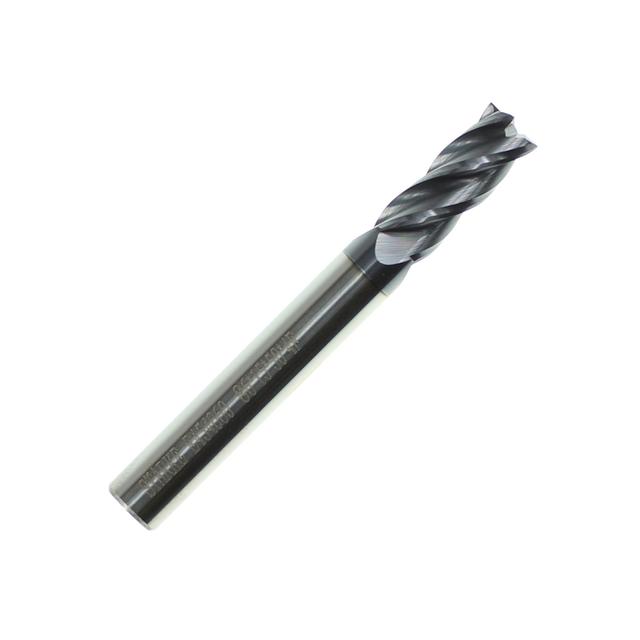
Eco-Mill 4 Flute Coated Carbide General Purpose End Mills
Series: E454
STARKE Eco-Mill E454 4 flute TiALN coated carbide end mills for steel, stainless steel, cast iron and non-ferrous materials up to 45 HRC, in diameters from 1mm to 25mm.
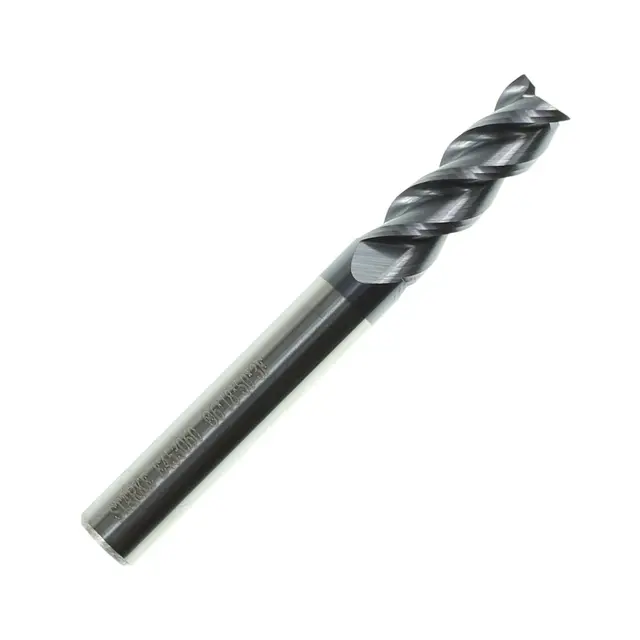
Eco-Mill 3 Flute Coated Carbide General Purpose Milling Cutters
Series: E453
ECO-MILL coated carbide 3 flute end mill from STÄRKE, a TiALN coated general purpose milling cutter.
- Suitable for cutting steel, stainless steel, cast iron and non-ferrous material including aluminium and copper.
- Cut up to 45 HRC
- Can be used wet or dry to increase tool life.
- Micrograin carbide
- Centre cutting
- Available diameter sizes between 1mm and 20mm


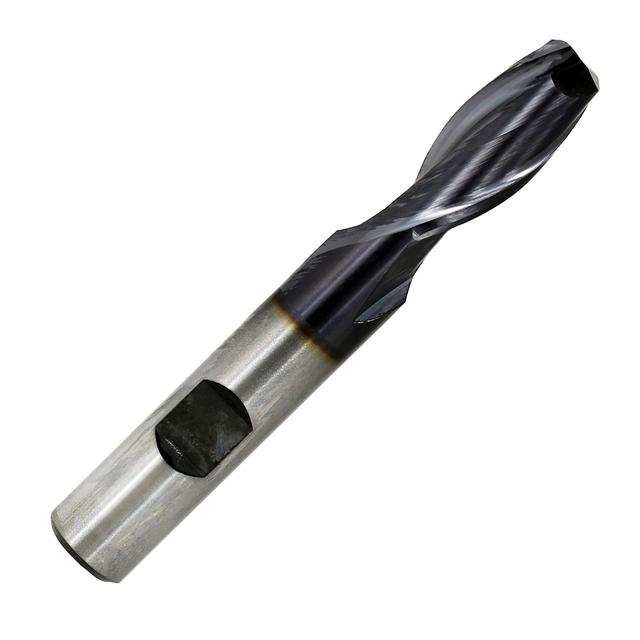
HSC Series 2 Flute Tialn Coated HSS Milling Cutters
Series: HSC2
- 2 flute HSSE slot drill
- HSS 8% Cobalt gives improved tool life and performance in comparison to conventional HSS
- 1st choice for economical machining
- TIALN coated for increased tool life
Starting From:
£10.01 excl. VAT
£12.01 incl. VAT
£10.01 excl. VAT
£12.01 incl. VAT
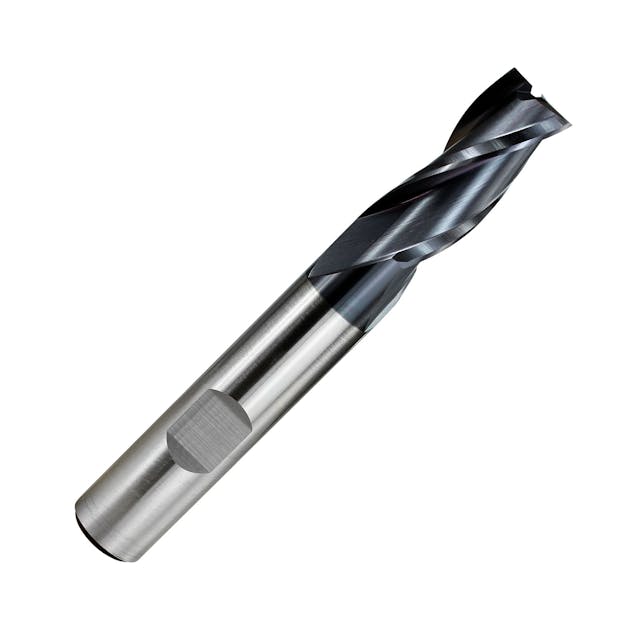
HSC Series 3 Flute Tialn Coated HSS Milling Cutters
Series: HSC3
- 3 flute HSSE slot drill
- HSS 8% Cobalt gives improved tool life and performance in comparison to conventional HSS
- 1st choice for economical machining
- TIALN coated for increased tool life
Starting From:
£10.01 excl. VAT
£12.01 incl. VAT
£10.01 excl. VAT
£12.01 incl. VAT
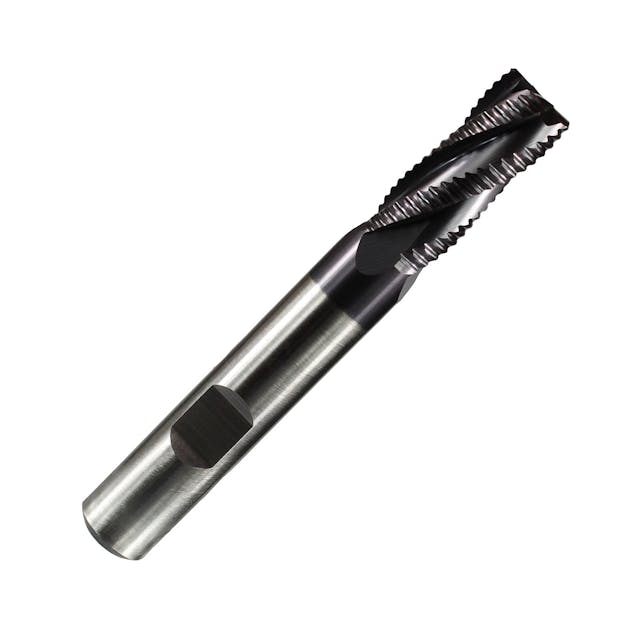
HSCR Series Tialn Coated Fine Pitch Roughing HSS Milling Cutters
Series: HSCR
- 3 & 4 flute HSSE end mill ripper
- HSS 8% Cobalt gives improved tool life and performance in comparison to conventional HSS
- 1st choice for economical machining
- TIALN coated for increased tool life
Starting From:
£21.46 excl. VAT
£25.75 incl. VAT
£21.46 excl. VAT
£25.75 incl. VAT
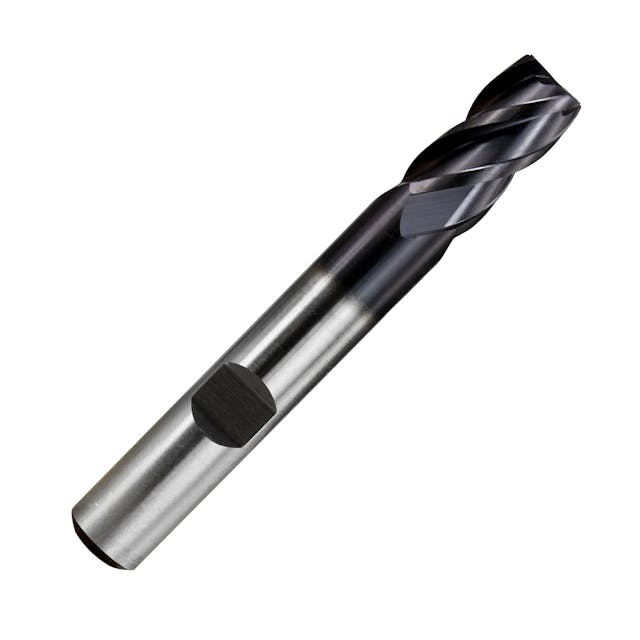
HSC Series 4 Flute Tialn Coated HSS Milling Cutters
Series: HSC4
- 4 flute HSSE end mill
- HSS 8% Cobalt gives improved tool life and performance in comparison to conventional HSS
- 1st choice for economical machining
- TIALN coated for increased tool life
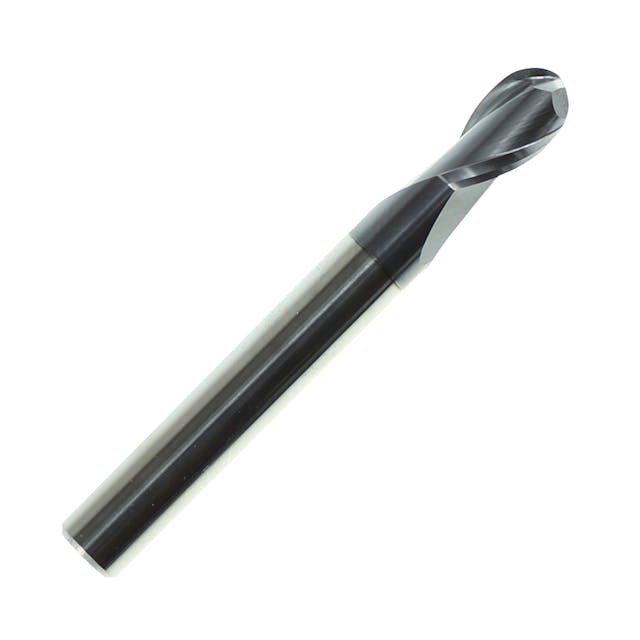
Eco-Mill 2 Flute Coated Carbide Ball Nose Slot Drills
Series: EB452
ECO-MILL coated carbide 2 flute ball nosed slot drill from STÄRKE, a TiALN coated general purpose cutter.
- Suitable for cutting steel, stainless steel, cast iron and non-ferrous materials including aluminium alloys and copper.
- Cut up to 45 HRC
- Can be used wet or dry to increase tool life.
- Micrograin carbide
- Available diameter sizes between 1mm and 20mm
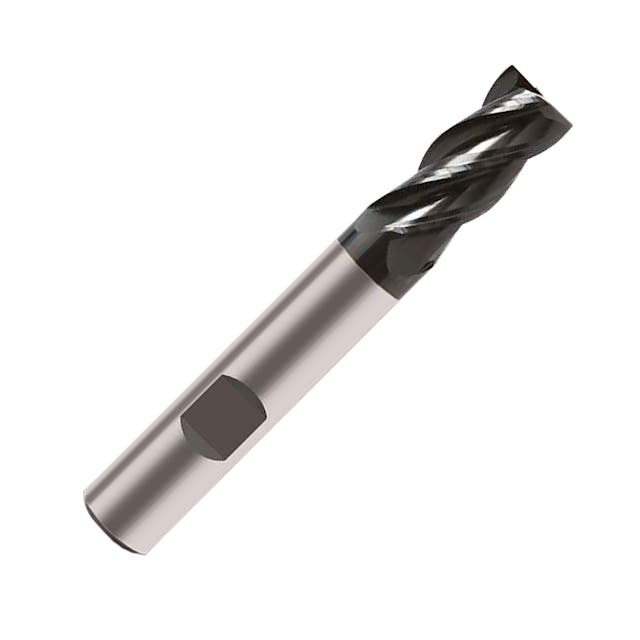
PM75E Series High Performance Powder Metal 4 Flute Milling Cutters
Series: PM75E
Clarkson PM75 Multiple Helix high Performance 4 Flute End Mill for General purpose machining in steels up to HRc40 Cast Iron Stainless steel Inconel. ASP60 premium powder metallurgy substrate with unique VX coating for longer tool life and superior surface finish.
- Multiple helix technology for reduced vibration
- Excellent performance in unstable machining conditions
- Higher cutting speed than equivalent HSSCo tools
- Reduced chatter
- Improved tool harmonics
- Exceptional performance in unstable cutting conditions
- Increased chip flow
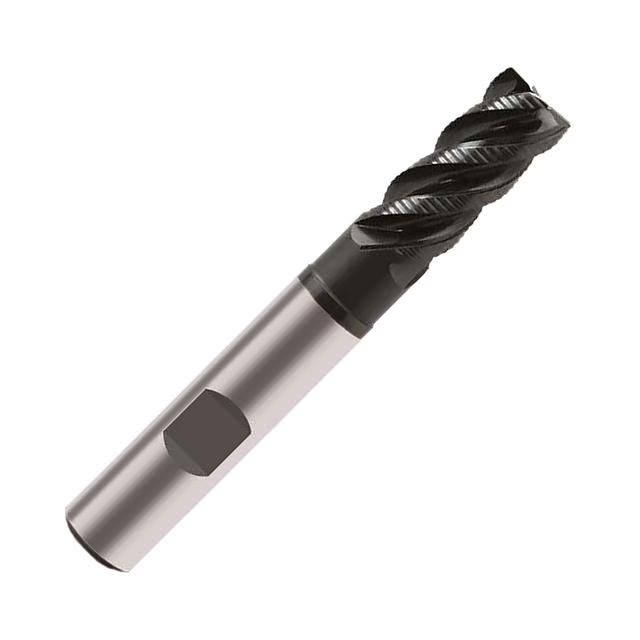
PM75S Series High Performance Powder Metal Fine Pitch Ripper
Series: PM75S
Clarkson PM75 Multiple Helix high Performance Fine Pitch Ripper for General purpose machining in steels up to HRc40 Cast Iron Stainless steel Inconel. ASP60 premium powder metallurgy substrate with unique VX coating for longer tool life and superior surface finish.
- Multiple helix technology for reduced vibration
- Excellent performance in unstable machining conditions
- Higher cutting speed than equivalent HSSCo tools
- Reduced chatter
- Improved tool harmonics
- Exceptional performance in unstable cutting conditions
- Increased chip flow
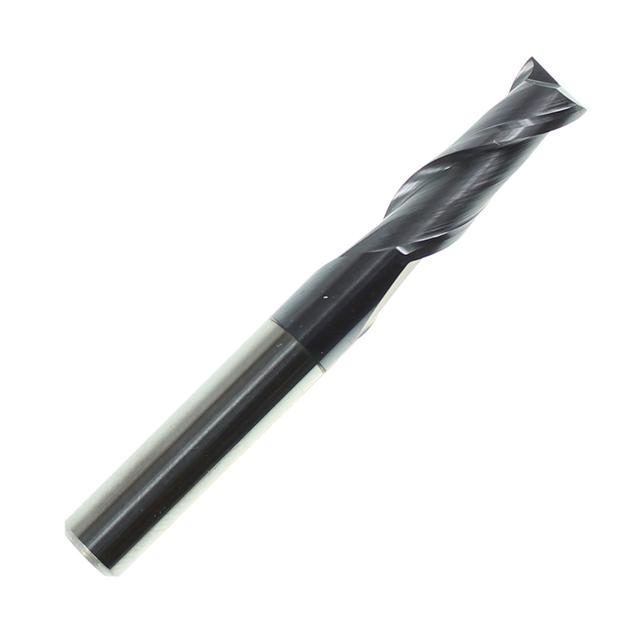
Eco-Mill 2 Flute Coated Solid Carbide Slot Drill
Series: E452
ECO-MILL Coated Carbide 2 Flute End Mill from STÄRKE is a TiALN coated general purpose cutter.
- Suitable for cutting steel, stainless steel, cast iron and non-ferrous material including cast aluminium and copper.
- Cut up to 45 HRC
- Can be used wet or dry to increase tool life.
- Micrograin carbide
- Centre cutting
- Available diameter sizes between 1mm to 20mm
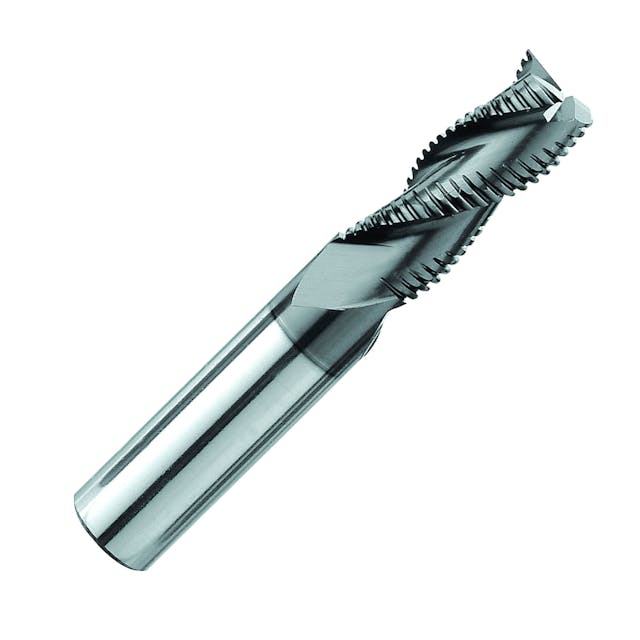
NANO-MILL Max-Mill JWA Series Coated Carbide 4 Flute Roughing End Mill
Series: JWA**04
Max-Mill Coated Carbide 4 Flute Roughing End Mill from Nano-Mill is a general purpose cutter, ideal for cutting carbon steel, high speed steel, stainless steel, alloy, inconel and titanium. MAX-MILL cutters cut up to 55 HRC, and can be used wet or dry to increase tool life.
Starting From:
£21.77 excl. VAT
£26.12 incl. VAT
£21.77 excl. VAT
£26.12 incl. VAT
Offer Price From:
£63.37excl. VAT
£76.04incl. VAT
£63.37excl. VAT
£76.04incl. VAT
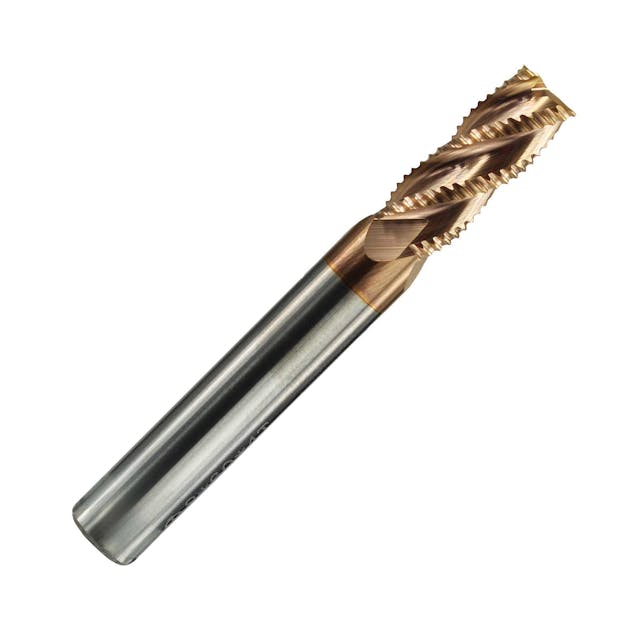
STARKE Coated Carbide 4 Flute Roughing End Mill
Series: PR554
- Cut up to 55 HRC
- Can be used wet or dry to increase tool life.
- Micrograin carbide
- Available diameter sizes between 6mm and 20mm
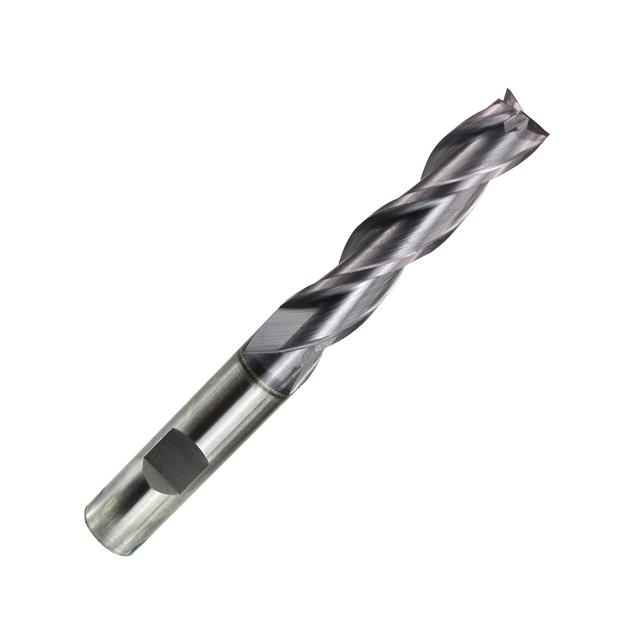
Clarkson 3 Flute HSS Co8 Weldon Shank Long Length End Mill
Series: 105102
Clarkson 3 Flute HSS Co8 Weldon Shank Long Length End Mill
- HSS 8% cobalt
- Uncoated
- Weldon shank
- Suitable for a wide range of materials
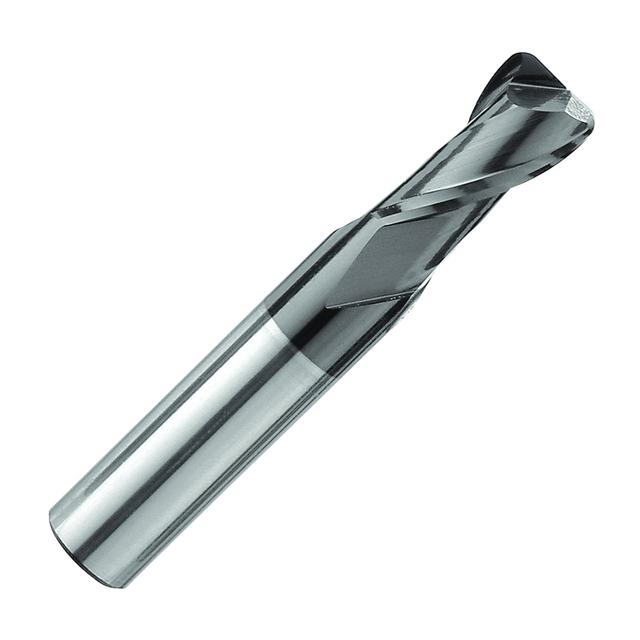
NANO-MILL Max-Mill JNR Series Coated Carbide 2 Flute Corner Radius End Mill
Series: JNR****
Max-Mill Coated Carbide 2 Flute Corner Radius End Mill from Nano-Mill is a general purpose cutter, ideal for cutting carbon steel, high speed steel, stainless steel, alloy, inconel and titanium. MAX-MILL cutters cut up to 55 HRC, and can be used wet or dry to increase tool life.
Starting From:
£9.94 excl. VAT
£11.93 incl. VAT
£9.94 excl. VAT
£11.93 incl. VAT
Offer Price From:
£12.33excl. VAT
£14.80incl. VAT
£12.33excl. VAT
£14.80incl. VAT
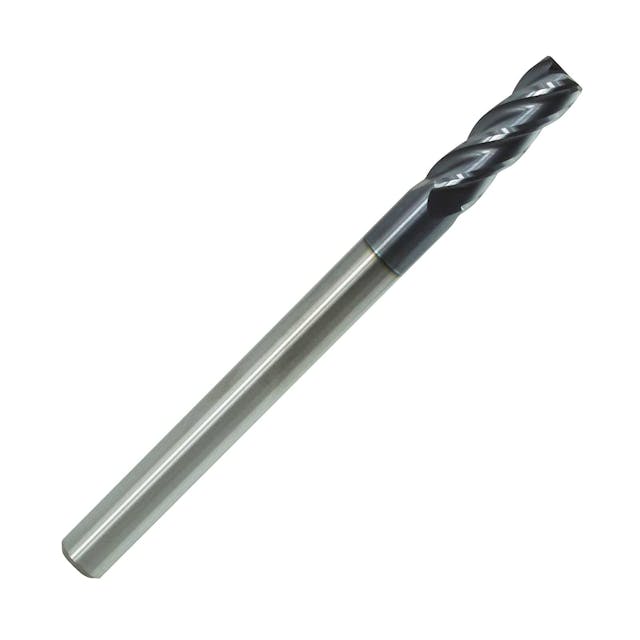
4 Flute Coated Carbide Long Series General Purpose End Mill (STARKE Eco-Mill)
Series: EL454
- Micrograin Carbide
- TIALN coated to machine up to 45 HRC
- Excellent general purpose cutter for machining steel, stainless steel, aluminium alloys, cast iron and copper
- Centre cutting
- Sizes available: 3mm, 4mm, 5mm, 6mm, 8mm, 10mm, 12mm, 16mm
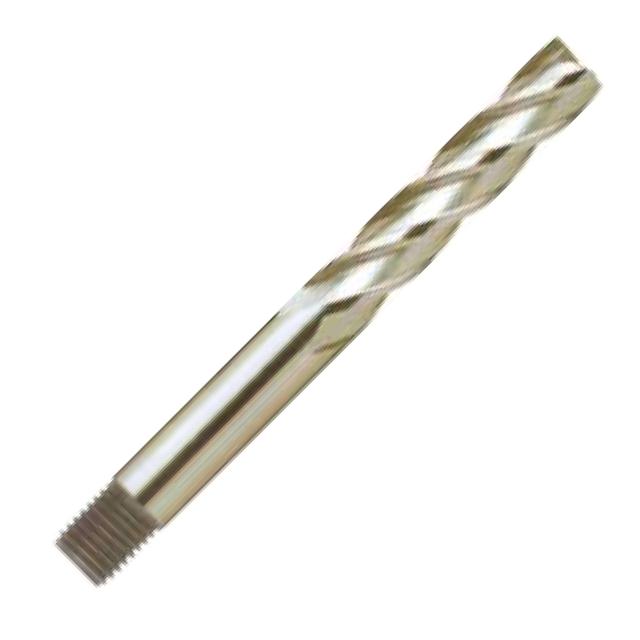
Clarkson HSS Co8 Long Length Threaded Shank End Mill
Series: 308202
Clarkson HSS Co8 Long Length Threaded Shank End Mill
- HSS 8% cobalt
- 4-8 flutes
- Uncoated
- Threaded shank
- Suitable for a wide range of materials
Starting From:
£11.90 excl. VAT
£14.28 incl. VAT
£11.90 excl. VAT
£14.28 incl. VAT
Offer Price From:
£10.12excl. VAT
£12.14incl. VAT
£10.12excl. VAT
£12.14incl. VAT
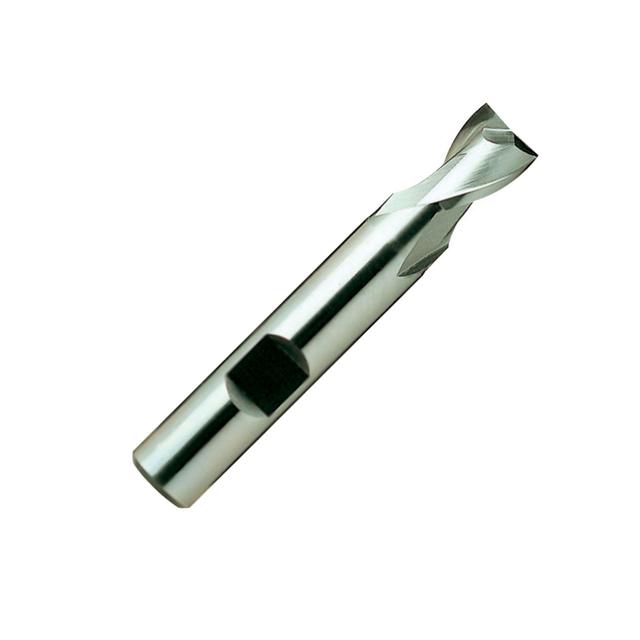
Clarkson 2 Flute HSS Co8 Weldon Shank Short Length Slot Drill
Series: 100102
Clarkson 2 Flute HSS Co8 Weldon Shank Short Length Slot Drill
- HSS 8% cobalt
- Uncoated
- Weldon shank
- Suitable for a wide range of materials
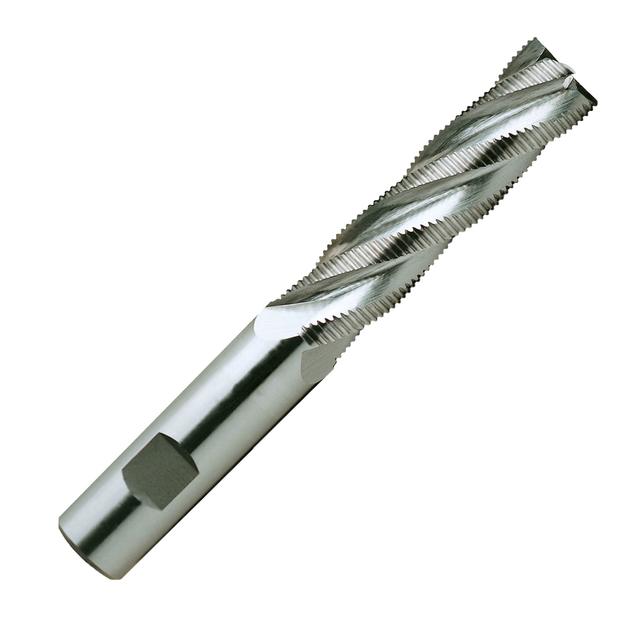
CLARKSON TiALN Coated HSS Co8 Multi Flute Long Length Fine Pitch Ripper
Series: 122121
CLARKSON TiALN Coated HSS Co8 Multi Flute Long Length Fine Pitch Ripper
- HSS 8% cobalt
- Fine pitch
- TiALN coated
- Weldon (flatted) shank
- Suitable for a wide range of materials
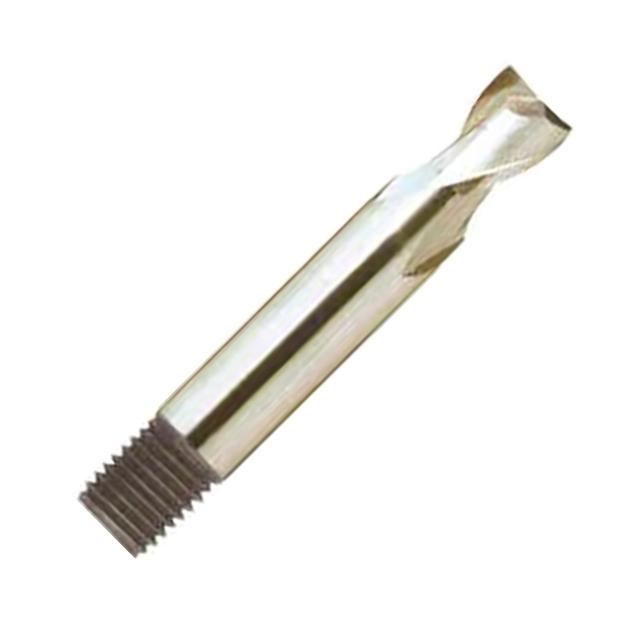
CLARKSON HSS Co8 2 Flute Threaded Shank Slot Drill
Series: 301202
CLARKSON HSS Co8 2 Flute Threaded Shank Slot Drill
- HSS 8% cobalt
- Uncoated
- Threaded shank
- Suitable for a wide range of materials
Starting From:
£8.05 excl. VAT
£9.66 incl. VAT
£8.05 excl. VAT
£9.66 incl. VAT
Offer Price From:
£6.84excl. VAT
£8.21incl. VAT
£6.84excl. VAT
£8.21incl. VAT
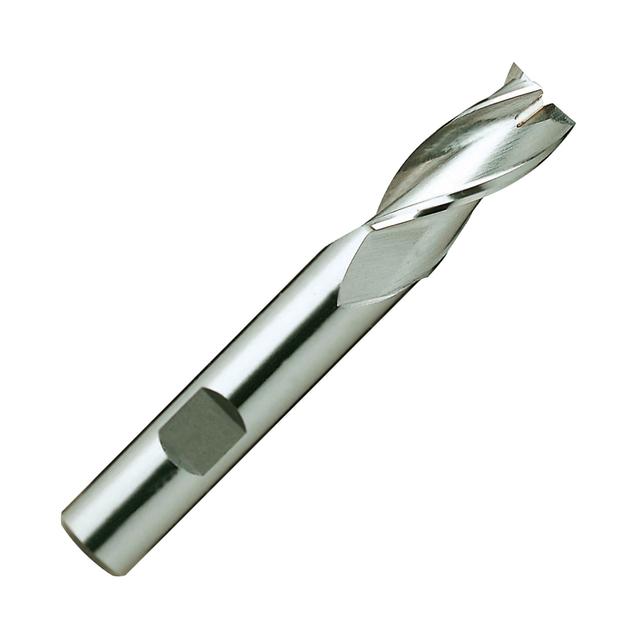
Clarkson 3 Flute HSS Co8 Short Length End Mill
Series: 104102
Clarkson 3 Flute HSS Co8 Short Length End Mill
- HSS 8% cobalt
- Uncoated
- Weldon (flatted) shank
- Suitable for a wide range of materials
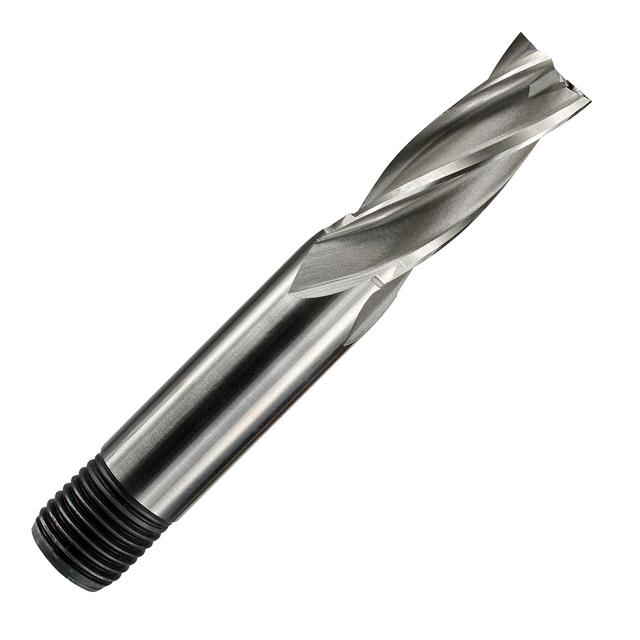
CLARKSON HSS Co8 Threaded Shank End Mill
Series: 307202
CLARKSON HSS Co8 Threaded Shank End Mill
- HSS 8% cobalt
- Uncoated
- Threaded shank
- Suitable for a wide range of materials
Starting From:
£10.63 excl. VAT
£12.76 incl. VAT
£10.63 excl. VAT
£12.76 incl. VAT
Offer Price From:
£9.04excl. VAT
£10.85incl. VAT
£9.04excl. VAT
£10.85incl. VAT
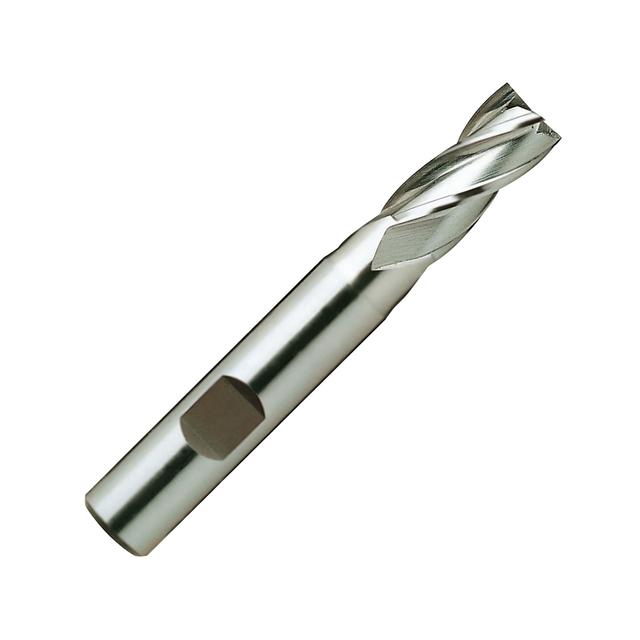
Clarkson 4-6 Flute HSS Co8 Short Length End Mill
Series: 107102
Clarkson 4-6 Flute HSS Co8 (Cobalt) Short Length End Mill
- HSS 8% cobalt
- Uncoated
- Weldon (flatted) shank
- Suitable for a wide range of materials
Starting From:
£24.42 excl. VAT
£29.30 incl. VAT
£24.42 excl. VAT
£29.30 incl. VAT
Offer Price From:
£61.69excl. VAT
£74.03incl. VAT
£61.69excl. VAT
£74.03incl. VAT
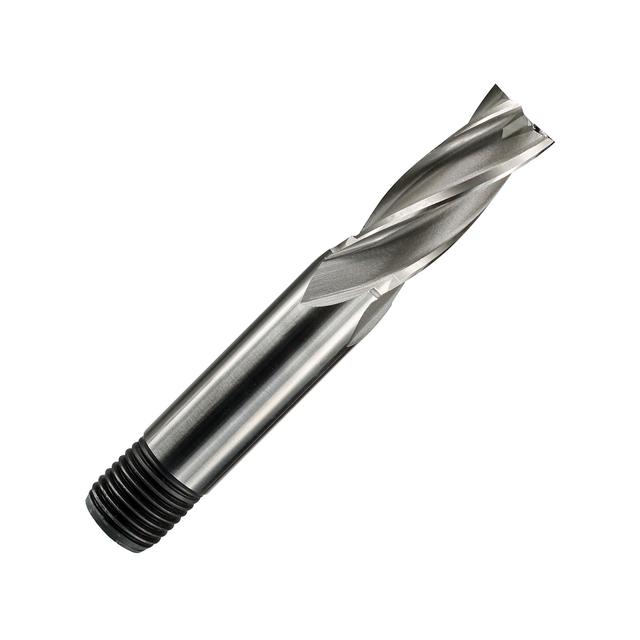
Clarkson 4 Flute HSS Threaded Shank End Mill
Series: 307201
Clarkson 4 Flute HSS Threaded Shank End Mill
- HSS
- Threaded shank
- Uncoated
- Suitable for a wide range of materials
Starting From:
£4.74 excl. VAT
£5.69 incl. VAT
£4.74 excl. VAT
£5.69 incl. VAT
Offer Price From:
£4.03excl. VAT
£4.84incl. VAT
£4.03excl. VAT
£4.84incl. VAT
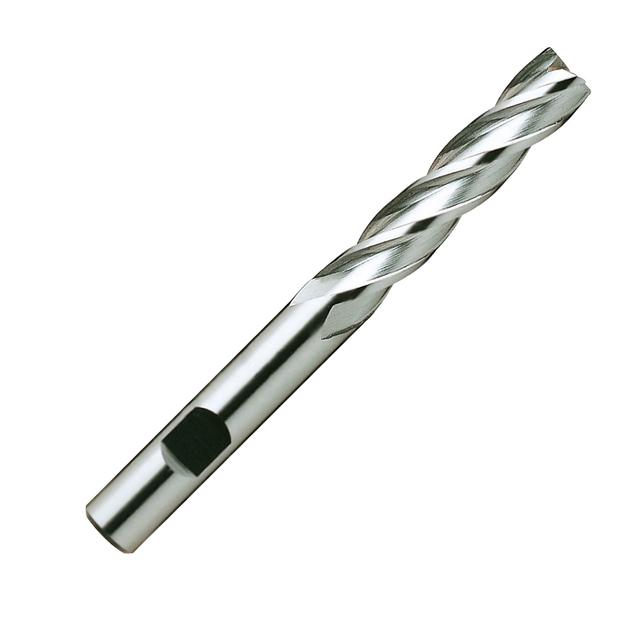
Clarkson 4-6 Flute HSS Co8 Long Length End Mill
Series: 108102
Clarkson 4-6 Flute HSS Co8 Long Length End Mill
- HSS 8% cobalt
- Uncoated
- Weldon (flatted) shank
- Suitable for a wide range of materials
Frequently Asked Questions
A general purpose milling cutter is the dependable all-rounder of the workshop, designed to perform competently across a broad spread of materials and operations rather than being optimised for one narrow task. In our general purpose milling cutter category you will find cutters that can achieve slotting, facing, profiling and ramping work without the need to keep swapping tools for every change of job.
Reach for a general purpose cutter when your work is mixed and you need a tool that will hold its own in mild steel, free cutting stainless, cast iron and non-ferrous materials without complaint. If you are running batch work across several materials on one machine, a well chosen general purpose cutter will keep spindle time up and tool changes down.
When a single material is being machined in volume, a material-specific grade will usually out perform it but for the bulk of day-to-day work this is where most shops start.
The substrate is the single biggest factor in how a cutter behaves so it pays to match it to the job.
High Speed Steel (HSS) is tough, forgiving, inexpensive and ideal for older machines, manual mills, interrupted cuts and awkward set-ups where a brittle carbide tool might chip. It will run at lower speeds but takes a knock without shattering.
HSSE — HSS with around 8% cobalt added holds its edge at higher temperatures than plain HSS so you can push feeds and speeds a little harder and get better tool life in tougher steels. For general workshop use HSSE is often the sweet spot between cost and performance.
Solid carbide is rigid and wears slowly, allowing much higher speeds and feeds, but it is less tolerant of chatter, poor runout and interrupted cuts. Use carbide on a sound, rigid machine with good workholding when you want cycle times down.
A useful rule of thumb used by our in-house engineers is: the less rigid your set-up, the more you want the toughness of HSS or HSSE on your side.
Flute count is about chip space versus edge strength.
A 2 flute cutter has the most chip clearance which makes it the go-to for softer materials like aluminium and non-ferrous and for deeper slots where swarf needs room to escape. It is also the default choice for plunging and for weaker machines that cannot generate the torque to drive a multi-flute tool.
Move to 3 flute & 4 flute cutters and you gain more cutting edges in the cut at once which improves surface finish and allows higher feed rates in steels and cast iron. A 4 flute is a workshop staple for general steel milling. The trade-off here though is less chip space, so in gummy materials swarf can pack and recut.
6 flute & 8 flute cutters are for finishing and harder materials where you want a fine surface and a small chip load per tooth, less chip clearance is acceptable because the cut is light. For a single general purpose tool to keep in the rack, a 3 or 4 flute HSSE will cover most ferrous work, while a 2 flute handles the softer, stickier end.
The end profile dictates what sort of cuts a tool can make cleanly. A square end cutter produces a flat floor and sharp internal corners and is the everyday choice for facing, slotting, profiling & pocketing.
A corner radius cutter replaces the sharp internal corner with a radius which strengthens the cutting edge and greatly improves tool life in harder and tougher materials. The trade-off is that you cannot produce a true square corner so use it where a small radius is acceptable on the workpiece.
A ball nose cutter is for 3D profiling and contoured surfaces where the radiused tip blends a smooth form as it moves across the part. A rougher or ripper cutter has a serrated edge that breaks the chip into small segments, cutting cooler and allowing heavier metal removal in tough materials ahead of a finishing pass.
Length of cut is a balance between reach and rigidity. A standard length cutter is the balanced choice for the majority of work and enough reach for typical pockets and profiles without excessive overhang that invites chatter.
A short length cutter is the stiffest option, maximising rigidity for shallow, aggressive cuts and harder materials where you want the tool as short as possible to resist deflection. Always favour the shortest tool that will do the job.
Long and extra-long cutters reach deep pockets and tall walls, but every extra millimetre of overhang multiplies the leverage on the tool and the spindle bearing. They demand reduced step-downs, lighter cuts and the most rigid workholding you can muster. If you find yourself reaching for an extra-long cutter regularly, a different approach to the set-up or a tool with a reduced neck will often serve you better.
Clarkson is one of the best-known names in British milling and the cutters in this category carry that heritage. They are most commonly associated with the Clarkson Autolock and Screwlock end mill holders, a system where the cutter is held by a threaded shank and drawn firmly into the holder for excellent security against pull-out. Although Autolock & Screwlock holders are starting to be considered an older style of setup plenty of UK workshops are holding firm.
The reason these cutters remain popular is the combination of a secure holding method, a range of readily available sizes and a tool that is well suited to manual and lighter CNC work. HSSE Clarkson cutters in particular offer good edge life at workshop-friendly speeds.
If your machine is set up with Autolock holders, a Clarkson cutter is the natural fit. The threaded shank means the cutting diameter and the holding method are one and the same, so order the correct thread form for your holder and keep a sharp spare ready, because a blunt Clarkson cutter is straightforward to swap mid-job.
The Eco-Mill range is an economical line of general purpose cutters aimed at everyday milling where the job does not demand a premium, application-specific tool. These cutters are designed to deliver solid, repeatable performance on the common materials (mild steel, free-cutting stainless, cast iron and non-ferrous) at a price point that makes sense for general work and batch jobs.
Eco-Mill is a sensible choice for training shops, maintenance departments and one-off work where the cost of a top-tier cutter cannot be justified and for roughing-out material before a finishing pass with a better tool. They are not the tool to reach for in hardened steel or exotic alloys but for the bread-and-butter work that fills most of a workshop’s week, they earn their place on the shelf.
PM75 cutters are built on a powder metallurgy substrate which is a manufacturing route that produces a very fine, uniform grain structure compared with conventional HSS. The result is a cutter that combines the toughness of high speed steel with better wear resistance and heat tolerance than a standard HSS tool.
In practice PM75 sits between HSSE and solid carbide for many applications. It will run faster than HSS, holds an edge longer and yet retains enough toughness to cope with interrupted cuts and less-than-perfect set-ups that might chip a carbide tool. That makes it a strong general purpose choice on machines where you want to push the cycle time but cannot justify (or safely run) solid carbide.
Start from the manufacturer’s recommended cutting speed for the substrate and the material you are machining, then convert that to spindle RPM using the cutter diameter. A conservative starting point is always wise because it is far easier to wind the feed or speed up once a cut is running clean than it is to recover from a chipped edge or a seized tool.
Feed per tooth is the figure to work from, not a flat feed rate as it scales with flute count and spindle speed. Keep chip load within the recommended band for the substrate and flute count: too thin and the cutter rubs and work-hardens the material, too thick and you risk chipping. Listen to the cut: a healthy milling sound is steady and consistent, while chatter or a screaming note tells you to ease off.
On a less rigid machine or an awkward set-up, dial both speed and feed back and take a lighter depth of cut. On a sound, rigid set-up you can push towards the top of the recommended range.
When in doubt, our team of time-served in-house engineers are happy to work through the numbers with you for your specific material and machine.
Coatings can dramatically extend tool life and allow higher speeds but only when matched to the material and the cutting conditions. A TiN coating is the long-standing general purpose choice, the familiar gold coating that adds hardness and reduces friction, suiting it to most ferrous work and giving a measurable life improvement over an uncoated tool.
TiAlN and AlTiN coatings go further, coping with the higher cutting temperatures generated in harder steels and stainless. They are best suited to carbide substrates run at higher speeds where the coating can reach its operating temperature. For aluminium and non-ferrous work, a bright or uncoated finish is often preferred, as some of the tougher coatings can build up an edge with sticky materials.
If you are buying a coated cutter, make sure the coating suits the material, a cutter that performs superbly in steel may be the wrong choice in aluminium. The product data in this category notes the coating where one is applied.
It is difficult to overstate how much poor workholding and runout shorten cutter life. A general purpose cutter is only as good as the set-up it sits in even a premium carbide tool will chip and fail quickly if it is held loosely or running out of true.
Check runout at the cutting edge with a dial indicator before cutting and keep it as low as your set-up allows. A collet that is worn or not torqued correctly, a toolholder with a scored bore or a workpiece that is not clamped rigidly will all show up as poor finish, chatter and premature edge failure.
Solid, well-maintained workholding is the foundation of good milling. If you are seeing inconsistent results from a cutter that should be performing well, the cutter is often the last thing to blame (check the holder and the clamping first).
A cutter rarely fails suddenly, it tells you it is tired if you know what to look for!
Rising spindle load or motor current, a dull or burnished cutting edge rather than a bright one, a deterioration in surface finish and swarf that changes colour or shape are all signs that the edge is going.
On HSS and HSSE cutters you may see a 'blueing' of the edge from heat or a visible rounding of the cutting corner. On carbide, look for notching or a small chip at the edge and a loss of the sharp facet. Once the edge is gone the cutter will rub rather than cut, work-hardening the material and accelerating further wear.
Inspect cutters regularly because a slightly worn cutter can sometimes be reground or repurposed but running a blunt tool to failure risks a snapped shank, a damaged workpiece and a poor finish.
Rotate cutters out before they reach that point and the rest of your set-up will thank you.
It depends on the material and the substrate. Flood coolant is beneficial for HSS and HSSE cutters in steels, keeping the edge cool and flushing swarf from the cut. For general purpose work in mild steel and stainless, coolant will usually extend tool life and improve finish.
On solid carbide running at higher speeds, the picture changes because thermal shock from coolant can cause micro-cracking in some carbide grades, particularly in interrupted cuts. Many modern carbide grades are designed to run dry and rely on the heat being carried away in the chip. Check the grade data before committing to coolant on a carbide tool!
For aluminium and non-ferrous materials an air blast or a mist is often the best choice because coolant can cause swarf to stick to the cutting edge, while air keeps the clearance clear.
As ever, match the approach to the material and the tool.
Some are, with care.
General purpose cutters will machine free-cutting stainless competently but stainless work-hardens readily, so a sharp edge, positive feed and enough chip load to cut below the work-hardened layer are essential (rubbing is the enemy).
For tougher stainless and the heat-resistant super alloys, a material-specific cutter with the right geometry and coating will out-perform a general purpose tool, particularly on harder grades. A general purpose HSSE cutter can do light, intermittent work in these materials but it will not match a dedicated tool for life or cycle time in continuous use.
If your work is heavily weighted towards stainless or super alloys, look at the application-specific ranges. For the occasional stainless job alongside your general work, a sharp general purpose cutter with coolant and a sensible approach will get you through (just do not expect premium tool life).
Cutter diameter is driven by the geometry of the cut and the rigidity available.
As a rule, use the largest diameter that will fit the feature you are machining because a larger diameter is stiffer, allows a larger Weldon or thread shank, and removes more material per pass. The limitation is the width of the slot, the corner radius of a pocket, or the reach required.
For slotting, match the cutter diameter to the slot width where possible to avoid multiple passes and side-cutting. For profiling and pocketing, a diameter that lets you step over efficiently while keeping tool deflection in check is ideal. Very small diameters under 3mm demand light cuts, high speeds and impeccable runout (they are easily snapped if pushed).
Reach also influences diameter choice: the deeper the cut the more you benefit from a larger, stiffer shank.
If you need to reach a deep feature with a small cutter, consider a reduced-neck tool rather than a long, slender cutter that will chatter.