




Lathe Centres
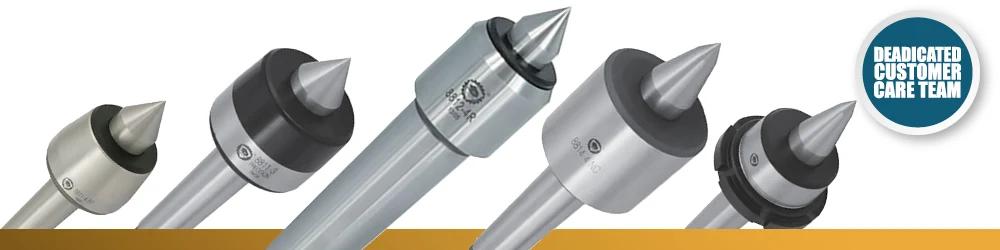
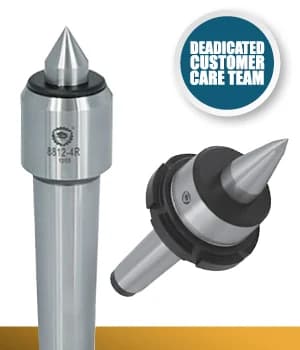
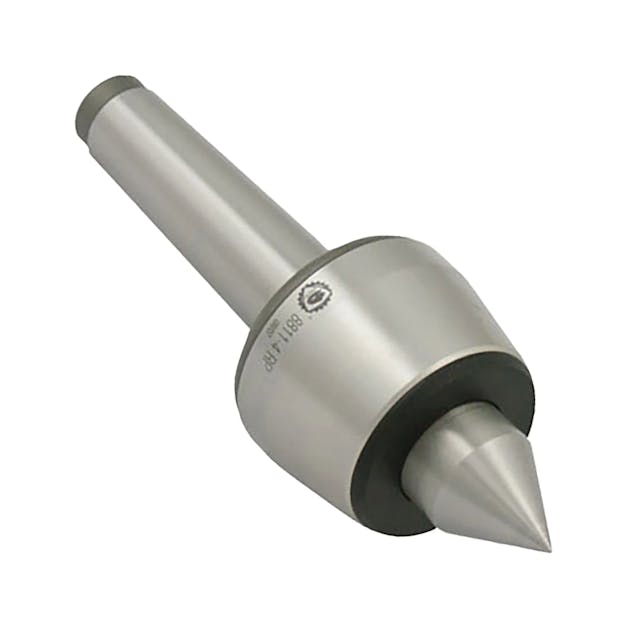
Bison Standard Point Revolving Centres
- 60 degree angle tip
- Body hardened and ground
- High runnout accuracy and concentricity
- Rotation speed up to 7000 rpm
- Max workpiece weight up to 5000 kgs
- Service life of bearings up to 2000 operation hours
£142.00 excl. VAT
£170.40 incl. VAT
£102.40excl. VAT
£122.88incl. VAT
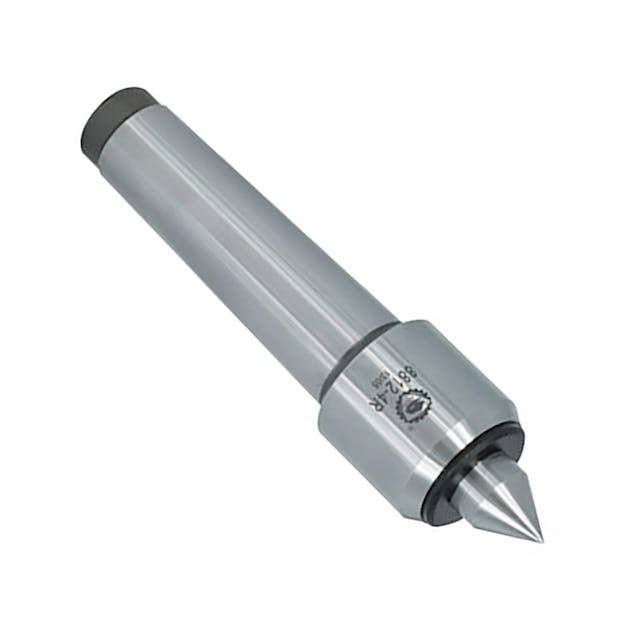
Bison Small Casing Standard Point Revolving Centres
- 60 degree angle tip
- Small body diameter
- Body hardened and ground
- High runnout accuracy and concentricity
- Rotation speed up to 7000 rpm
- Max workpiece weight up to 3500 kgs
- Service life of bearings up to 2000 operation hours
£177.00 excl. VAT
£212.40 incl. VAT
£127.20excl. VAT
£152.64incl. VAT
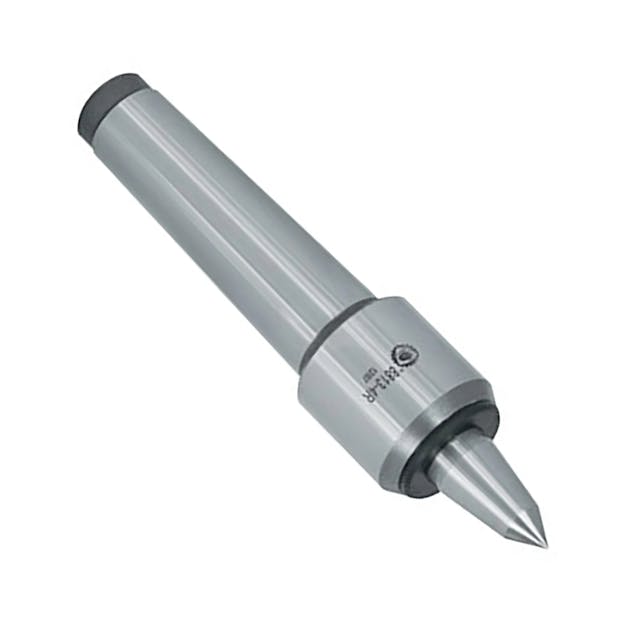
Bison Small Casing Extended Point Revolving Centres
- 60 degree angle tip
- Extended point
- Small body diameter
- Body hardened and ground
- High runnout accuracy and concentricity
- Rotation speed up to 7000 rpm
- Max workpiece weight up to 3000 kgs
- Service life of bearings up to 2000 operation hours
£174.00 excl. VAT
£208.80 incl. VAT
£131.20excl. VAT
£157.44incl. VAT
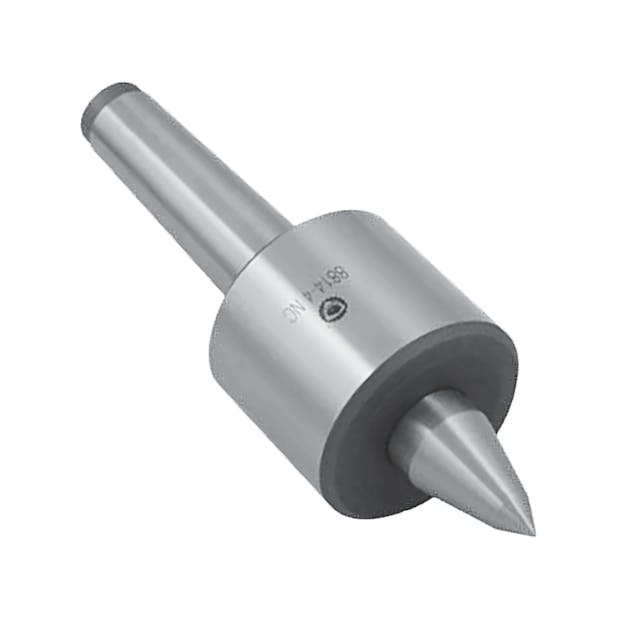
Bison NC Extended Point High Speed Revolving Centres
- 60 degree angle tip
- NC revolving centre for high speeds
- Extended point
- Body hardened and ground
- High runnout accuracy and concentricity
- Rotation speed up to 7000 rpm
- Max workpiece weight up to 2000 kgs
- Service life of bearings up to 2000 operation hours
£308.00 excl. VAT
£369.60 incl. VAT
£232.80excl. VAT
£279.36incl. VAT
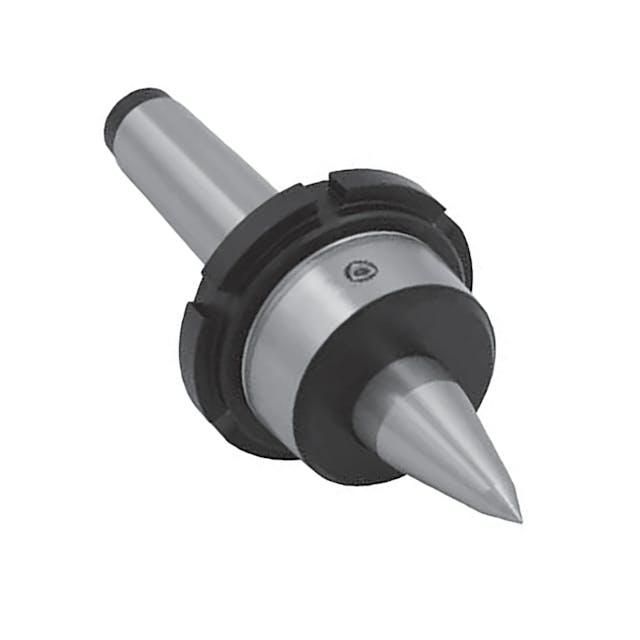
Bison NC Extended Point High Speed Revolving Centres With Draw Off Nut
- 60 degree angle tip
- NC revolving centre for high speeds
- Extended point and draw off nut
- Body hardened and ground
- High runnout accuracy and concentricity
- Rotation speed up to 7000 rpm
- Max workpiece weight up to 2000 kgs
- Service life of bearings up to 2000 operation hours
£359.00 excl. VAT
£430.80 incl. VAT
£271.20excl. VAT
£325.44incl. VAT
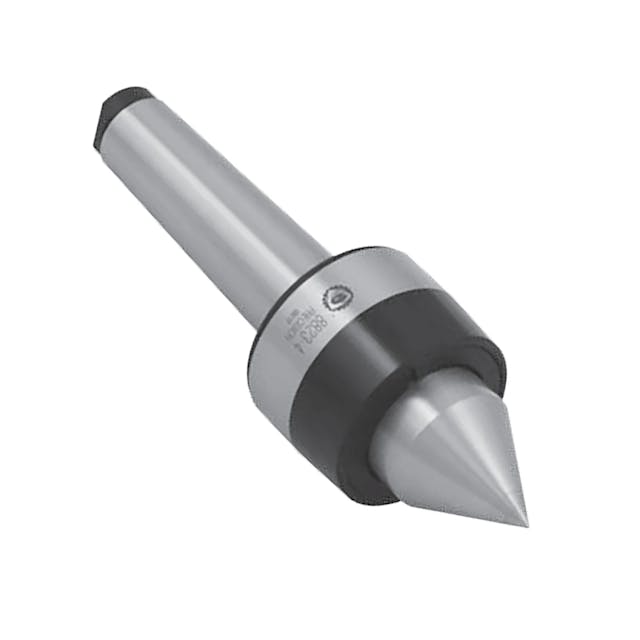
Bison Standard Point Revolving Centres With Radial Compensation
- 60 degree angle tip
- Revolving centre with radial compensation
- Special design allows for adjustmment of the radial clearance
- Body hardened and ground
- High runnout accuracy and concentricity
- Rotation speed up to 8000 rpm
- Max workpiece weight up to 1400 kgs
- Service life of bearings up to 2000 operation hours
£153.00 excl. VAT
£183.60 incl. VAT
£116.00excl. VAT
£139.20incl. VAT
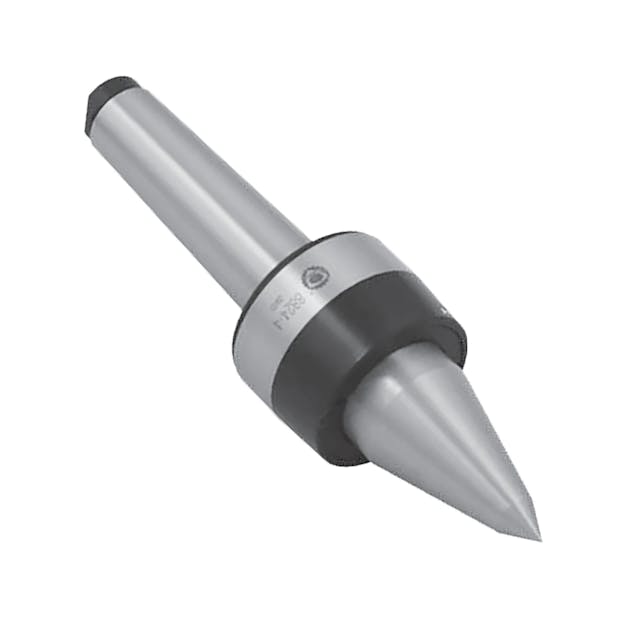
Bison Extended Point Revolving Centres With Radial Compensation
- Extended point
- Revolving centre with radial compensation
- Special design allows for adjustmment of the radial clearance
- Body hardened and ground
- High runnout accuracy and concentricity
- Rotation speed up to 8000 rpm
- Max workpiece weight up to 1300 kgs
- Service life of bearings up to 2000 operation hours
£174.00 excl. VAT
£208.80 incl. VAT
£131.20excl. VAT
£157.44incl. VAT
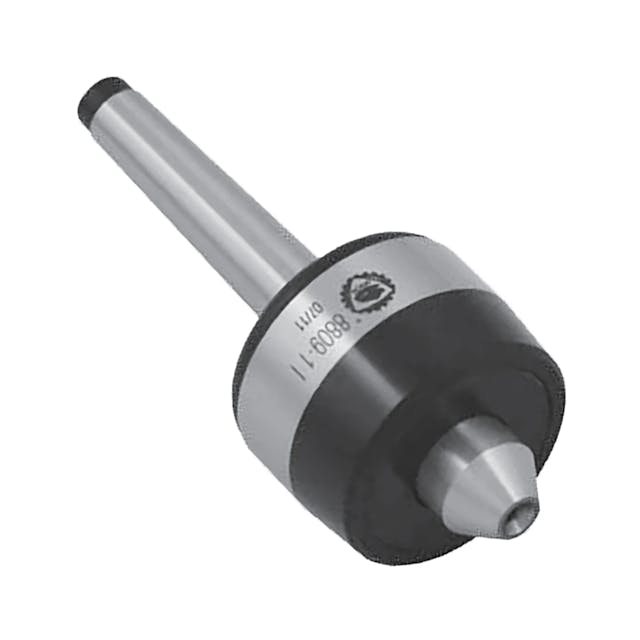
Bison Heavy Duty Hollow Tip Revolving Centres
- Hollow point
- Heavy duty revolving centre
- Body hardened and ground
- High runnout accuracy and concentricity
- Rotation speed up to 5000 rpm
- Max workpiece weight up to 2000 kgs
- Service life of bearings up to 2000 operation hours
£107.00 excl. VAT
£128.40 incl. VAT
£80.80excl. VAT
£96.96incl. VAT
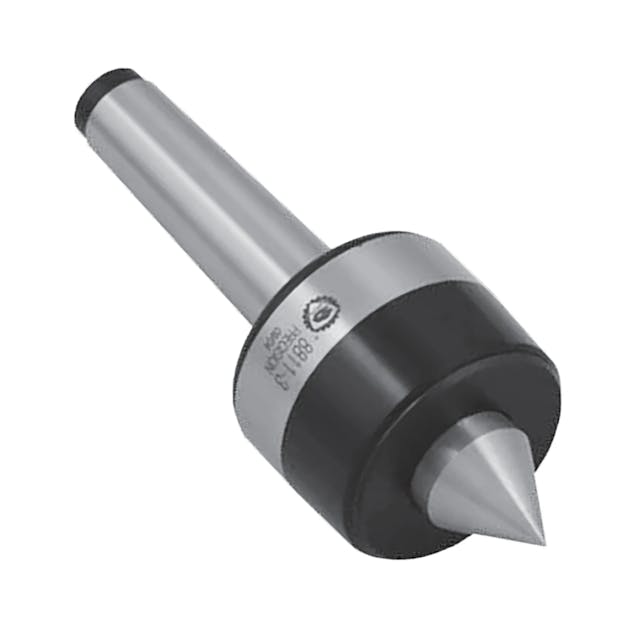
Bison Heavy Duty Standard Point Revolving Centres
- 60 degree tip
- Heavy duty revolving centre
- Body hardened and ground
- High runnout accuracy and concentricity
- Rotation speed up to 5000 rpm
- Max workpiece weight up to 9500 kgs
- Service life of bearings up to 2000 operation hours
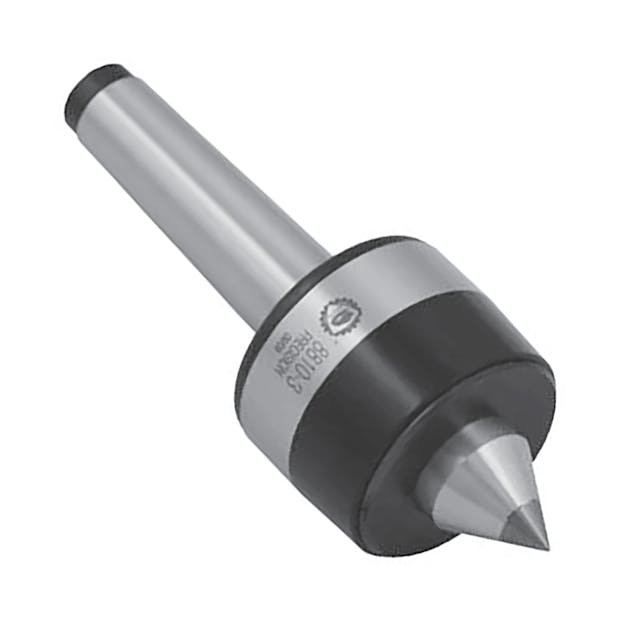
Bison Heavy Duty Carbide Tip Revolving Centres
- Carbide tip
- Heavy duty revolving centre
- Body hardened and ground
- High runnout accuracy and concentricity
- Rotation speed up to 5000 rpm
- Max workpiece weight up to 2200 kgs
- Service life of bearings up to 2000 operation hours
£116.00 excl. VAT
£139.20 incl. VAT
£92.80excl. VAT
£111.36incl. VAT
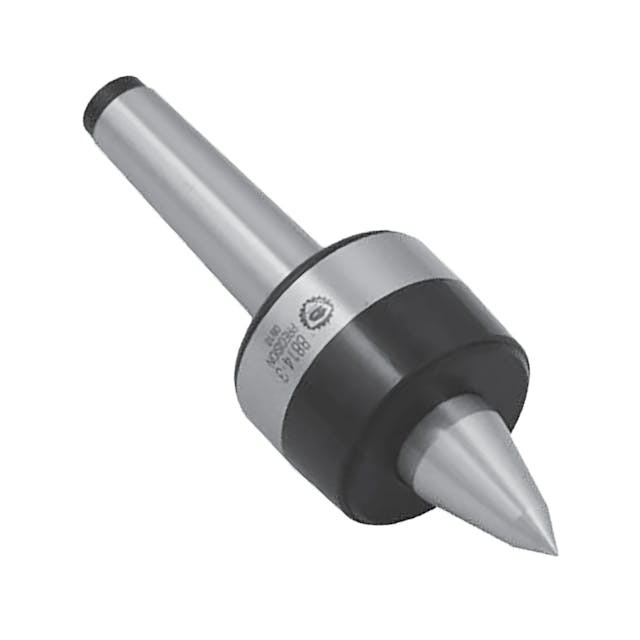
Bison Heavy Duty Extended Point Revolving Centres
- Extended point
- Heavy duty revolving centre
- Body hardened and ground
- High runnout accuracy and concentricity
- Rotation speed up to 5000 rpm
- Max workpiece weight up to 3150 kgs
- Service life of bearings up to 2000 operation hours
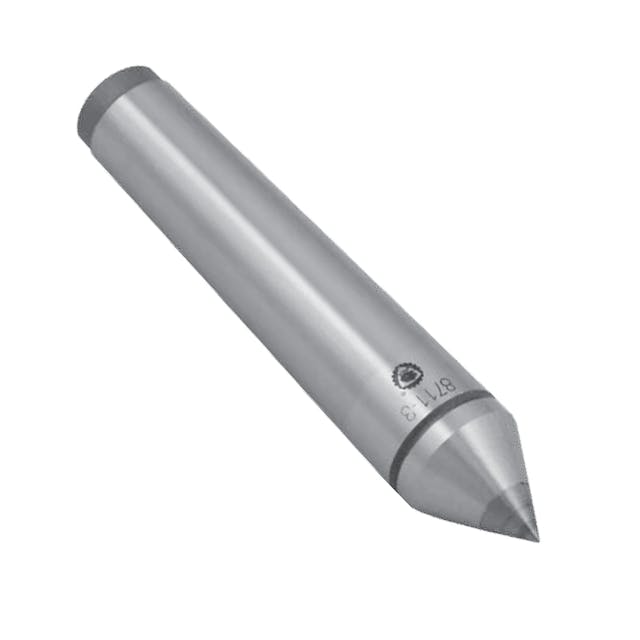
£34.30 excl. VAT
£41.16 incl. VAT
£26.40excl. VAT
£31.68incl. VAT
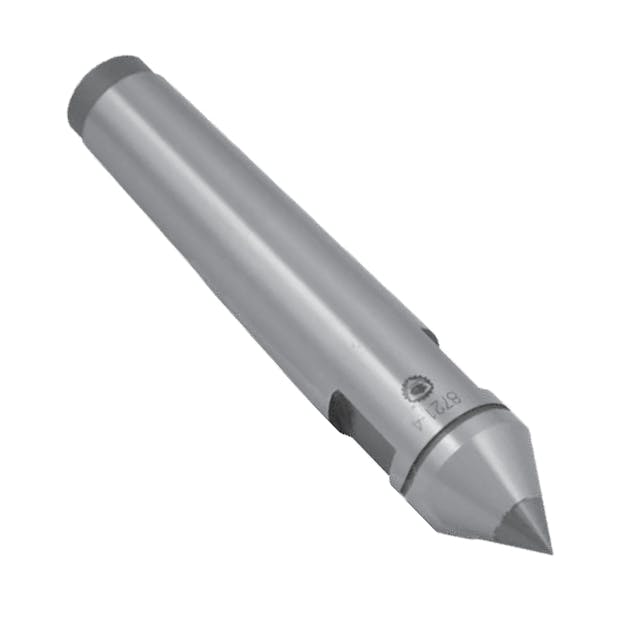
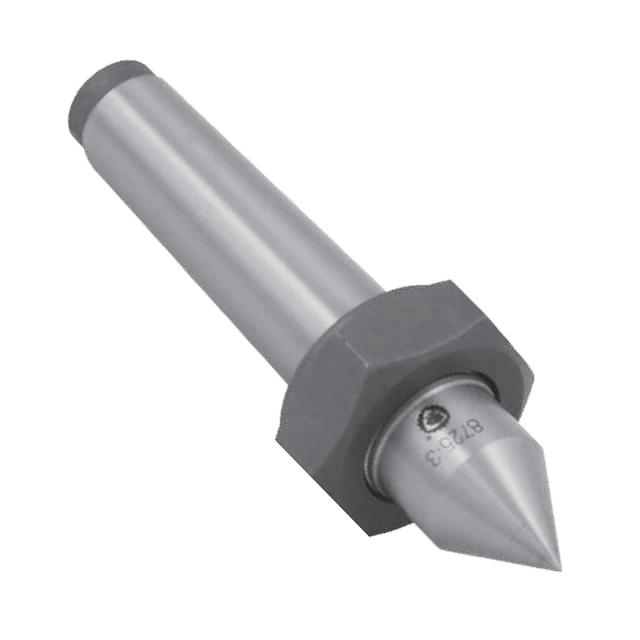
Bison Carbide Tipped Solid Centres With Spanner Flats
- 60 degree solid centre
- Carbide tipped
- With spanner flats
£42.00 excl. VAT
£50.40 incl. VAT
£32.80excl. VAT
£39.36incl. VAT
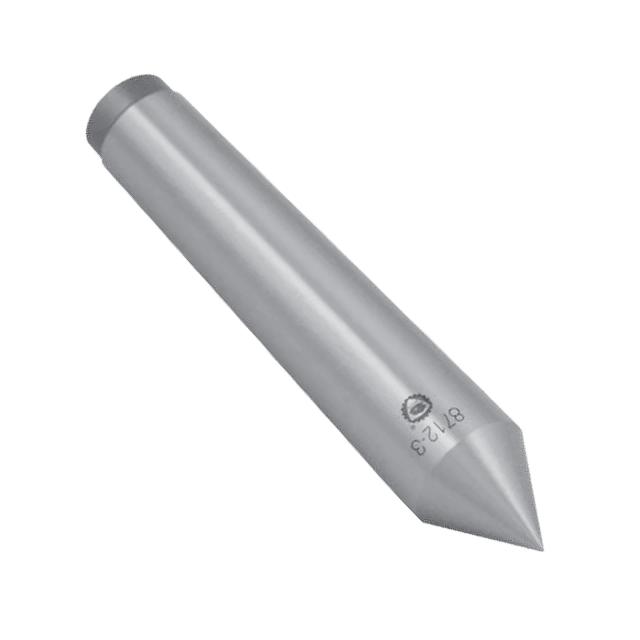
£16.70 excl. VAT
£20.04 incl. VAT
£12.96excl. VAT
£15.55incl. VAT
£35.00 excl. VAT
£42.00 incl. VAT
£26.40excl. VAT
£31.68incl. VAT
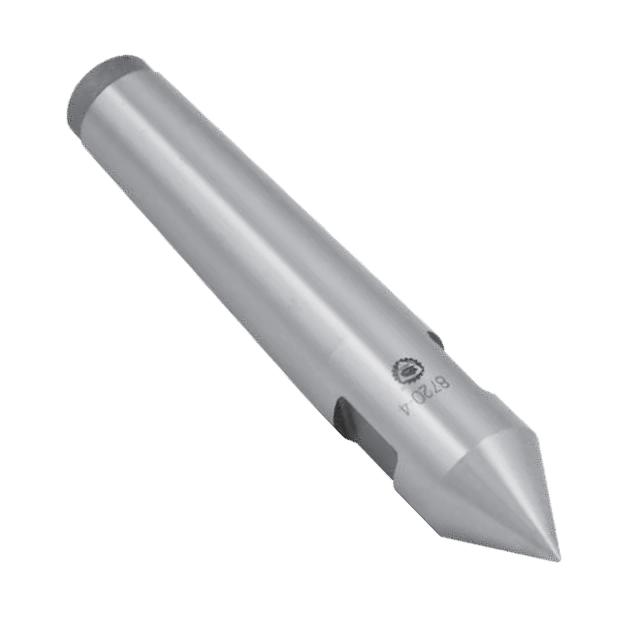
Bison Carbide Tipped Solid Centres With Spanner Flats
- 60 degree solid centre
- With spanner flats
£20.50 excl. VAT
£24.60 incl. VAT
£15.44excl. VAT
£18.53incl. VAT
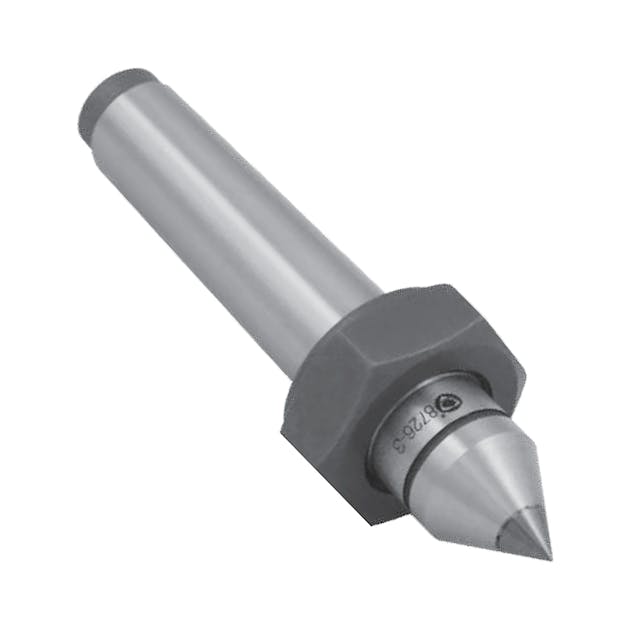
Bison Carbide Tipped Solid Centres With Draw Off Nut
- 60 degree solid centre
- Carbide tipped
- With draw off nut
£55.90 excl. VAT
£67.08 incl. VAT
£44.72excl. VAT
£53.66incl. VAT
£21.70 excl. VAT
£26.04 incl. VAT
£16.80excl. VAT
£20.16incl. VAT
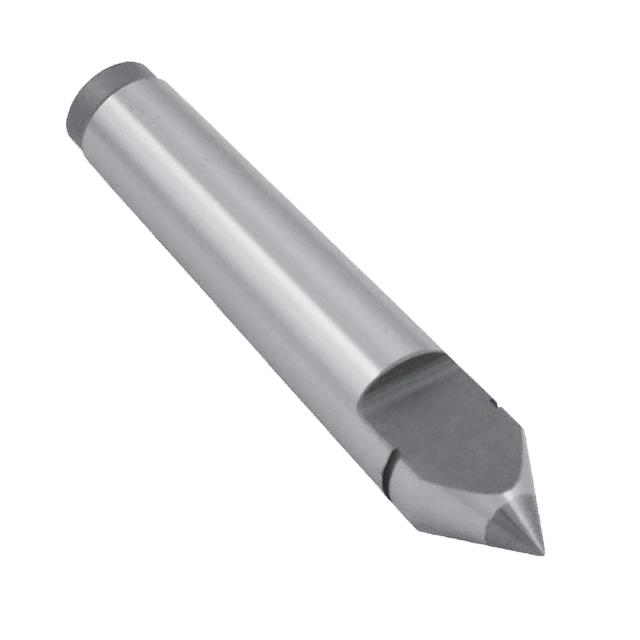
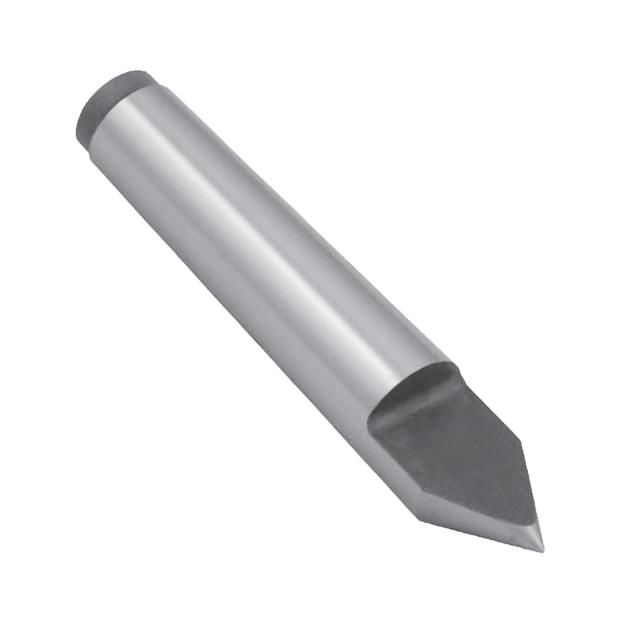
Bison Carbide Tipped Half Point Solid Centres
- Solid centre with half point
- Carbide tipped
£42.10 excl. VAT
£50.52 incl. VAT
£32.80excl. VAT
£39.36incl. VAT
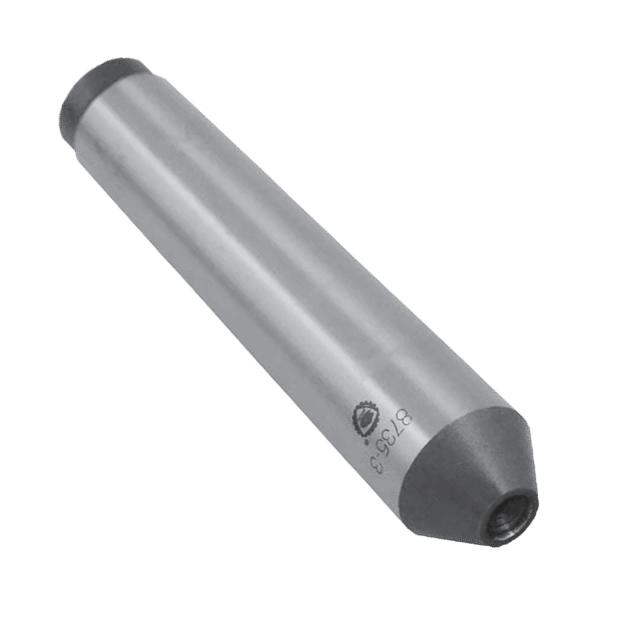
£22.00 excl. VAT
£26.40 incl. VAT
£17.60excl. VAT
£21.12incl. VAT
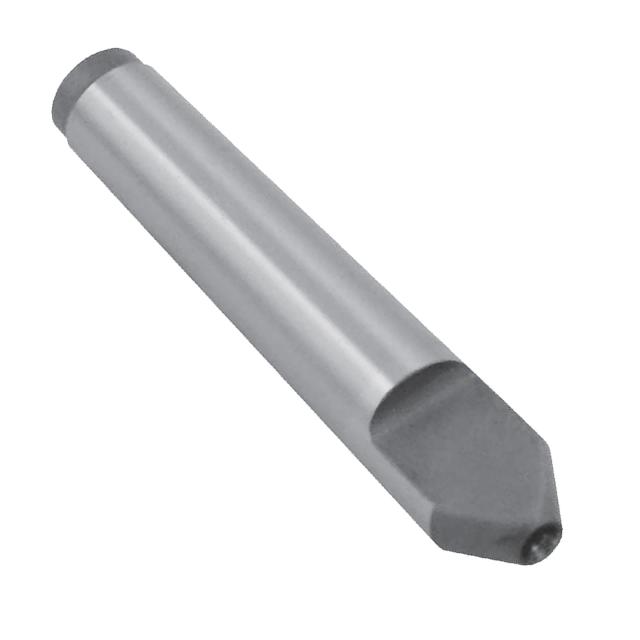
Bison Half Point Hollow Tip Solid Centres
£24.00 excl. VAT
£28.80 incl. VAT
£19.20excl. VAT
£23.04incl. VAT
Frequently Asked Questions
Lathe centres are tapered metal tools that support the end of a workpiece during turning operations. They seat into the Morse taper bore of the lathe's tailstock (or headstock) and present a precision-machined pointed tip that locates in a matching centre hole drilled in the end of the workpiece.
There are two fundamentally different types:
Dead centres are solid, one-piece tools with no internal moving parts. The shank is a Morse taper that seats in the tailstock and the pointed tip engages the workpiece centre hole. When the workpiece rotates the tip of the dead centre does not rotate (the workpiece slides against it). Because the workpiece rotates while the centre remains stationary there is continuous sliding friction at the interface between the centre tip and the workpiece centre hole. This friction generates significant heat and causes wear at the contact point. To manage this dead centres are used with lubricant in the centre hole and the tips are often carbide-tipped to resist the abrasive wear and high temperatures generated by the sliding contact.
Revolving centres (live centres) incorporate an internal precision bearing assembly that allows the pointed tip to rotate independently of the shank. The shank (Morse taper) remains stationary in the tailstock but the tip rotates with the workpiece. Because the tip and the workpiece rotate together there is no sliding friction at the contact interface as the contact is static (the tip and workpiece centre hole rotate as one). This eliminates the heat and wear that dead centres generate allowing higher rotational speeds, heavier workpieces and longer continuous operation without the need for centre-hole lubrication.
The trade-off: dead centres are simple, inexpensive and extremely rigid (no bearings to wear or develop play), making them suitable for heavy-duty low-speed work and for operations where maximum rigidity is required. Revolving centres are more complex and more expensive but they eliminate the heat and wear problem, support higher speeds and are the modern standard for general-purpose turning.
All centres in this range use Morse taper shanks (the industry-standard self-holding taper system used on virtually all manual lathes and many CNC lathes). The Morse taper size must match the tailstock taper of your lathe as the taper is self-locking and dimensions are not interchangeable between sizes.
The Morse taper system includes sizes MT0 (smallest) through MT7 (largest). The most common sizes for general-purpose lathes are:
MT2: suits small/hobby lathes with swing over bed up to approximately 250mm (e.g. Myford ML7, Boxford & many Chinese mini-lathes)
MT3: suits medium lathes with swing over bed 250–330mm (e.g. Warco GH1320, many 9×20 and 12×24 lathes). This is the most common manual lathe tailstock size.
MT4: suits larger lathes with swing over bed 330–400mm (e.g. Harrison M250, Colchester Student).
MT5: suits large industrial lathes with swing over bed 400mm+ (e.g., Colchester Master, Harrison M300).
MT6 and MT7 suit very large industrial lathes and are available in our heavy-duty revolving centre range.
To determine your lathe's Morse taper size consult the lathe manual, measure the taper dimensions of an existing centre (the large and small end diameters and the taper length identify the size), or check the lathe manufacturer's specification. Using the wrong taper size is not possible, for example an MT3 centre will not seat correctly in an MT4 tailstock bore and vice versa.
The 8811R series spans the widest range of Morse taper sizes (from the smallest practical (MT2) through to MT5) with 13 variants.
The "point" refers to the geometry of the conical tip that engages the workpiece centre hole and the three variants serve different application requirements:
Standard point (60° full point): The tip is a full 60° cone that seats fully into a standard 60° centre hole drilled in the workpiece. The point extends from the centre body at the standard length and this is the general-purpose configuration for the majority of turning operations. The 8811R, 8812R, 8823, and 8811 series all use standard points. The full 60° cone provides maximum bearing surface contact with the centre hole distributing the workpiece weight and cutting forces over a large area for stability.
Extended point: The conical tip is mounted on a narrower, longer neck that extends further from the centre body before reaching the 60° cone. The extended point allows the centre to reach into restricted-access areas: into a bored recess, past a shoulder or collar or into a deeply recessed centre hole at the bottom of a bore. The 8813R (small casing extended point), 8814NC, 8815NC, and 8824 series all use extended points. The trade-off is that the extended neck is less rigid than a standard point (the longer the extension, the more the tip can deflect under load). Extended points are selected when access requirements demand them, not for general-purpose use.
Half point: The conical tip is shortened so only the front portion of the 60° cone is present with the rear portion machined away. This reduces the overall length of the point and the depth the centre must engage into the workpiece. Half points are used when the workpiece centre hole is shallow (insufficient depth for a full point), when the workpiece has a counterbore or recess around the centre hole that a full point would interfere wit, or when clearance is needed behind the workpiece for a facing or parting operation. The 8730 (half point solid) and 8731 (carbide tipped half point solid) are the half-point dead centre options.
The point type must be compatible with the workpiece centre hole geometry. A standard centre hole (form R or A per ISO 866) accepts a standard or extended point. A shallow or modified centre hole may require a half point. Always verify that the point will seat fully in the centre hole without bottoming out or interfering with the workpiece geometry.
Dead centres experience continuous sliding friction between the stationary centre tip and the rotating workpiece centre hole. This friction generates heat and causes progressive wear of the centre tip.
The choice between steel and carbide tips directly addresses this wear:
Steel-tipped dead centres (8712, 8725, 8720, 8730, 8735, 8740 series) have tips made from the same hardened tool steel as the centre body. Steel tips are adequate for low-speed, light-duty operations on soft materials (aluminium, brass, free-cutting steel) where friction and heat generation are modest. They are generally inexpensive and suitable for general workshop use at moderate speeds. However, steel tips will wear progressively under sustained use, particularly on harder workpiece materials or at higher speeds, and the tip may eventually develop a groove or flat at the contact point that reduces accuracy and can damage the workpiece centre hole.
Carbide-tipped dead centres (8711, 8721, 8726, 8731 series) have a tungsten carbide insert brazed to the tip of the centre. Carbide is significantly harder than hardened steel (typically 89-93 HRA versus 60-65 HRC for hardened tool steel) and maintains its hardness at the elevated temperatures generated by friction. Carbide tips resist wear far better than steel (the tip retains its sharp 60° cone geometry over many more hours of use) maintaining accuracy and preventing damage to the workpiece centre hole. Carbide-tipped centres cost more than steel tipped but they do offer dramatically longer service life, particularly on harder materials or at higher speeds.
Carbide is the correct choice for higher-speed dead centre operations, harder workpiece materials (alloy steel, stainless steel, hardened materials), sustained or production operations where tip wear would accumulate and any application where maintaining centre accuracy over time is critical.
Steel tips are acceptable for occasional use, low speeds, soft materials and budget-conscious workshops where the lower initial cost outweighs the shorter service life.
A hollow tip centre has a tip geometry where the point is hollow (the centre is machined as a ring or tube rather than a solid cone). Instead of a single sharp point contacting the workpiece centre hole, the hollow tip contacts the workpiece on a circular ring at the periphery of the centre hole.
The 8809, 8735 and 8740 series use this geometry.
Hollow tip centres serve several specific applications:
Tube and pipe workpieces: When the workpiece is a hollow tube or pipe there is no solid material at the centre to accept a pointed tip. A hollow tip centre seats against the inside edge of the tube bore, supporting the tube on its end face rim. The ring contact matches the tube geometry where a solid point would simply enter the bore and provide no support.
Centre holes with a protective counterbore: Some workpiece centre holes are machined with a counterbore (form B or C per ISO 866) that protects the 60° cone from damage during handling between operations. A hollow tip can seat on the rim of the counterbore without engaging the protected cone.
Workpieces with a pre-existing bore: Components that have been bored or drilled through the centre cannot accept a standard point. A hollow tip centre engages the rim of the bore.
Reduced friction area (dead centres): On a dead centre, the hollow ring contact has a smaller sliding area than a full cone, which can reduce total friction heat athough the contact pressure per unit area is higher.
The 8809 hollow tip revolving centre is heavy-duty rated (max 2000kg workpiece, up to 5000 rpm), making it suitable for large-diameter tube and pipe turning operations where a standard point would be ineffective.
The 8823 (standard point) and 8824 (extended point) series feature radial compensation which is a design feature that allows the operator to adjust the radial clearance (play) in the centre's bearing assembly.
In a standard revolving centre the bearing assembly is factory-set with a specific internal clearance. Over time and with use the bearings develop wear that increases the radial play (the amount the tip can move side-to-side relative to the shank). This play reduces the centre's accuracy (the tip is no longer perfectly concentric with the shank axis) and allows the workpiece to move slightly off-centre during turning, directly affecting the dimensional accuracy of the machined part.
The radial compensation design incorporates an adjustment mechanism (typically a threaded collar or set of adjustment screws) that allows the operator to re-tighten the bearing assembly and eliminate the developed play. This "special design allows for adjustment of the radial clearance" as described on the product page. By periodically re-adjusting the radial clearance the centre's accuracy can be maintained over a longer service life, extending the useful life of the centre beyond what a non-adjustable design would allow.
The 8823 and 8824 also achieve the highest rotational speed in the range of up to 8000 rpm, compared to 7000 rpm for the standard and small-casing series and 5000 rpm for the heavy-duty series. The radial compensation design combined with the higher speed capability makes these centres suited to precision high-speed CNC turning operations where maintaining tip concentricity over time is critical.