




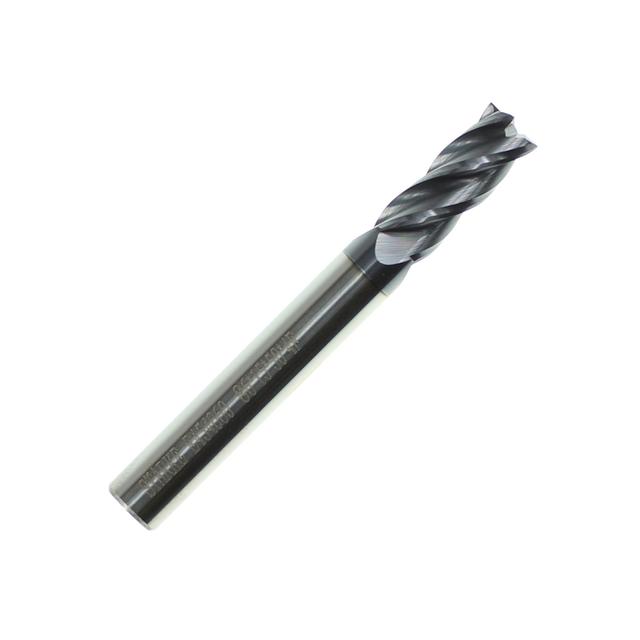
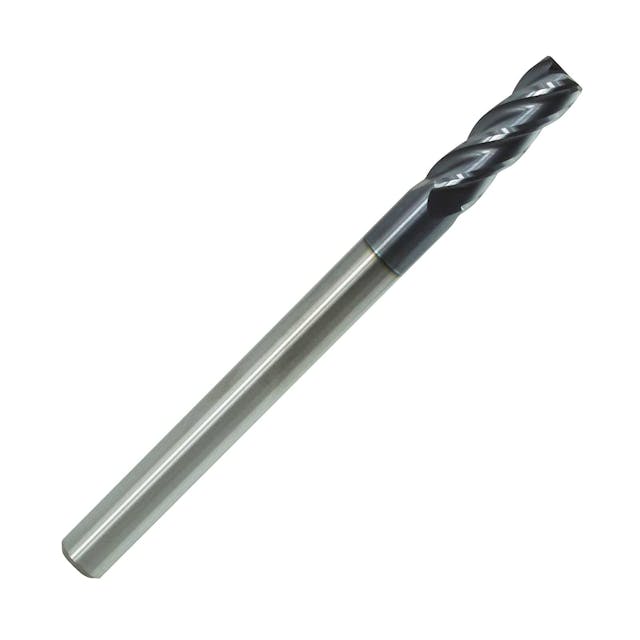
STARKE Eco-Mill E454 4 flute TiALN coated carbide end mills for steel, stainless steel, cast iron and non-ferrous materials up to 45 HRC, in diameters from 1mm to 25mm.
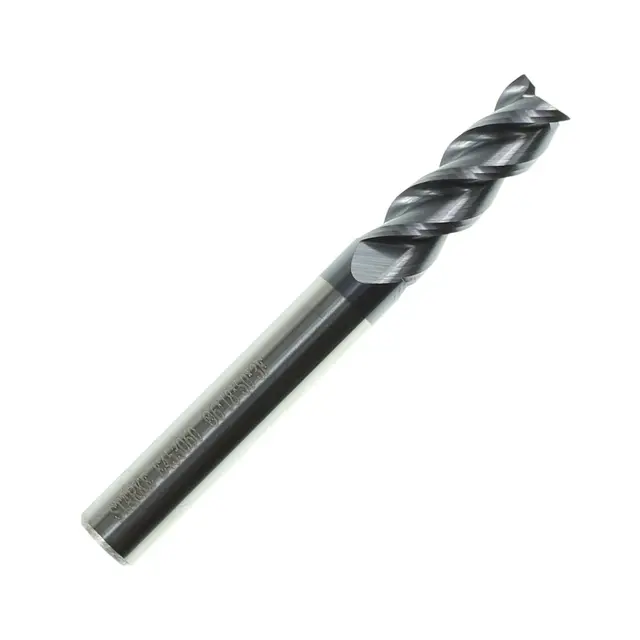
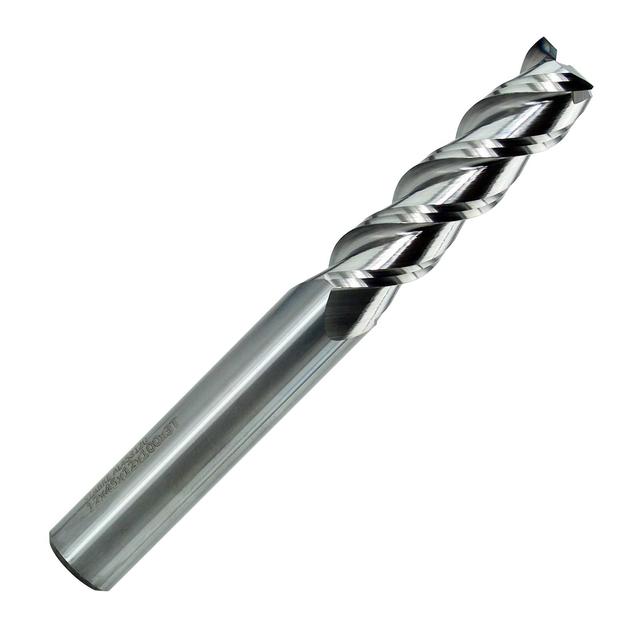
ECO-MILL coated carbide 3 flute end mill from STÄRKE, a TiALN coated general purpose milling cutter.
Suitable for cutting steel, stainless steel, cast iron and non-ferrous material including aluminium and copper.
Cut up to 45 HRC
Can be used wet or dry to increase tool life.
Micrograin carbide
Centre cutting
Available diameter sizes between 1mm and 20mm
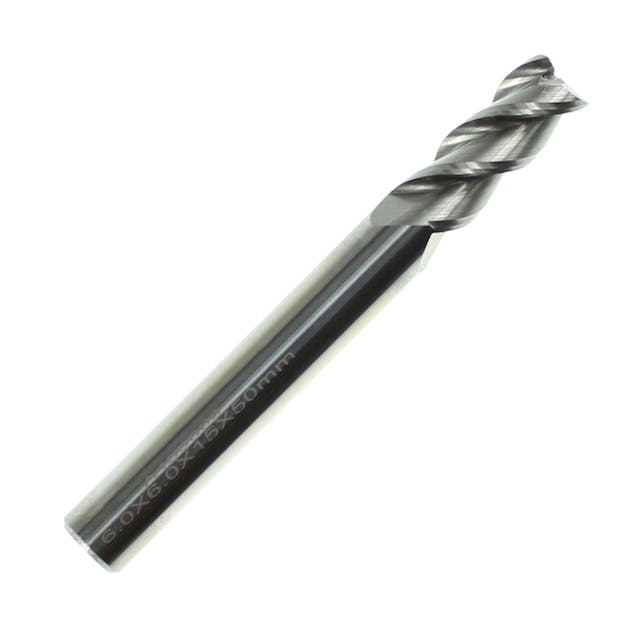
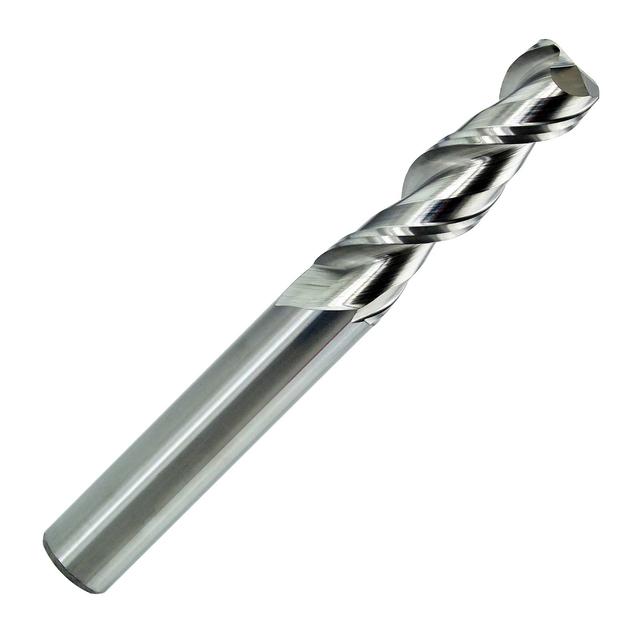
ALI-MILL Solid Carbide 3 Flute 45 Degree End Mill from STÄRKE is 1st choice for machining aluminium and non ferrous material.
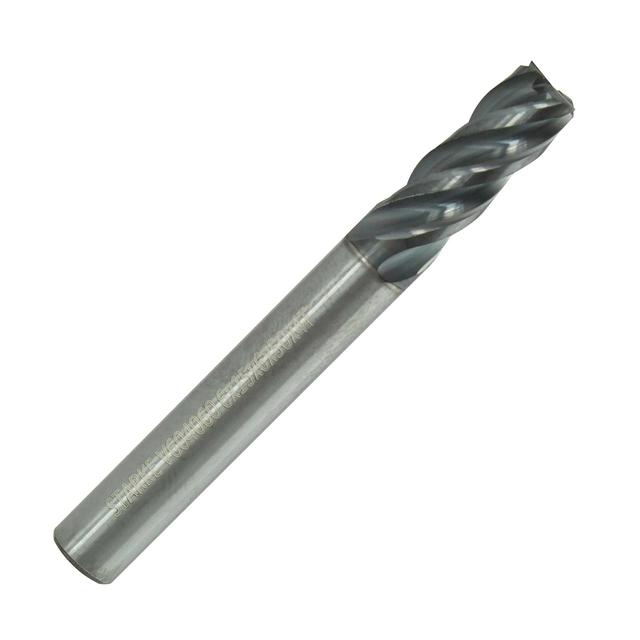
V60 Mill Coated Carbide 4 Flute End Mill from STARKE is a ALCRSiN high performance milling cutter.
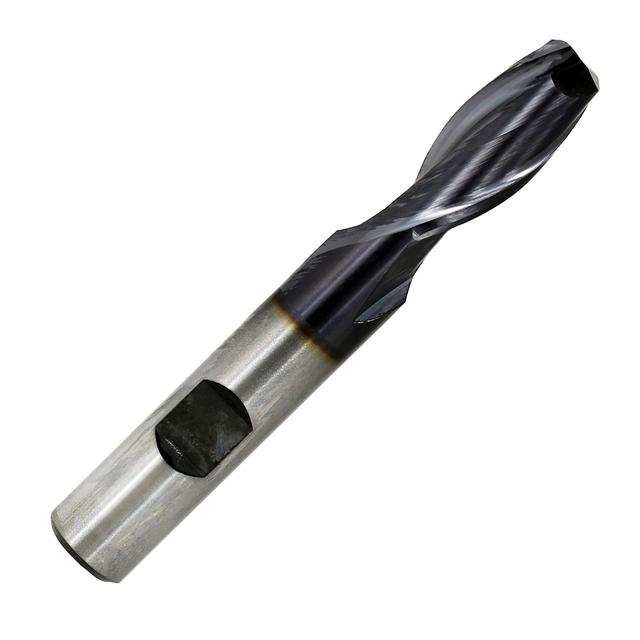
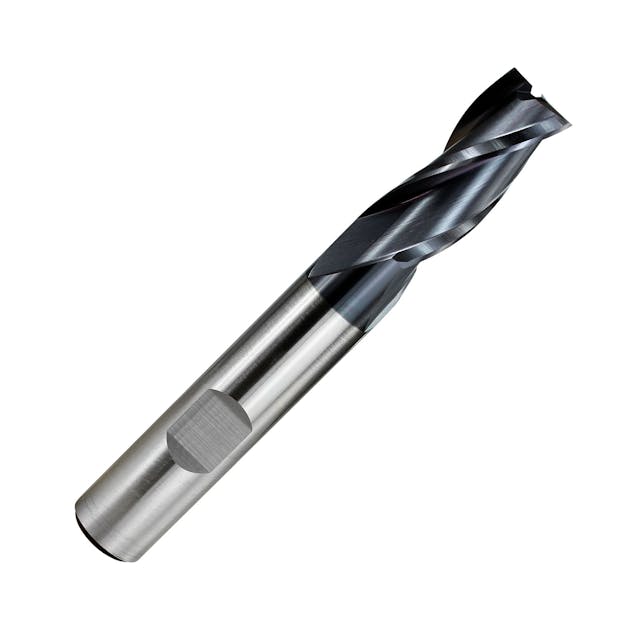
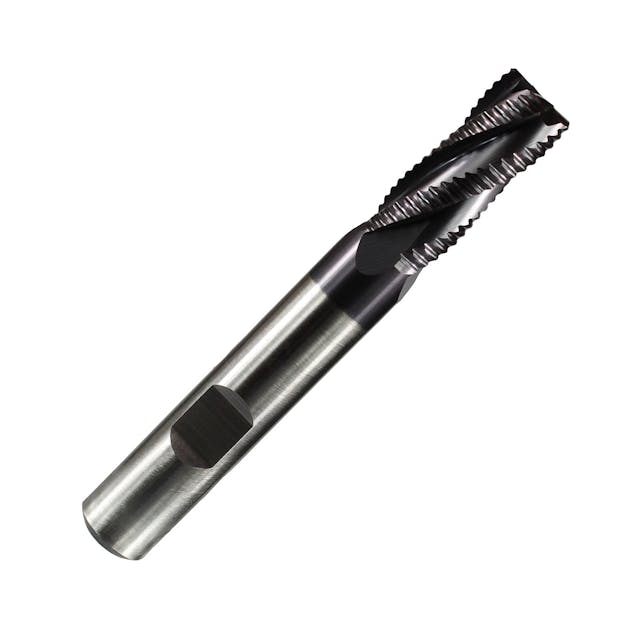
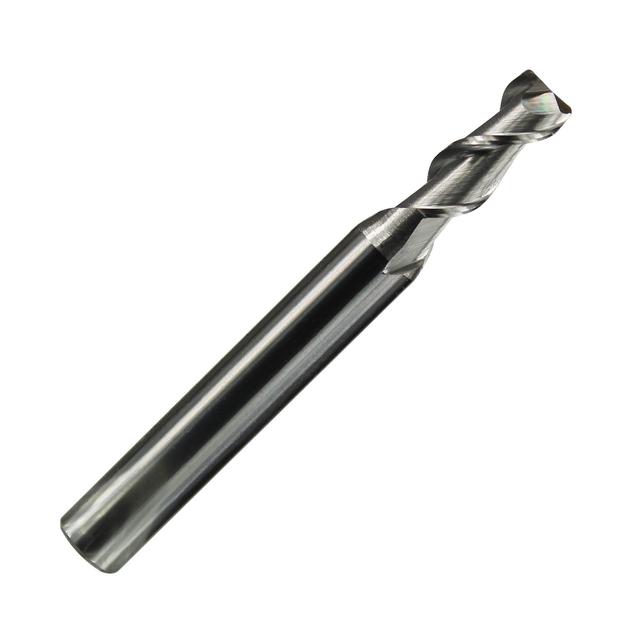
ALI-MILL Solid Carbide 2 Flute 45 Degree Slot Drill from STÄRKE is 1st choice for machining aluminium and non ferrous material.
Polished flutes for superior surface finish.
The special Hi-Helix geometry enables better chip removal.
Micrograin carbide
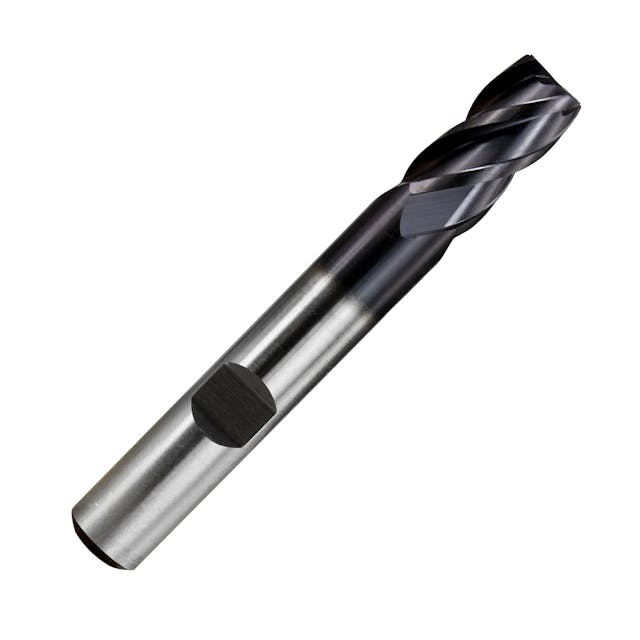
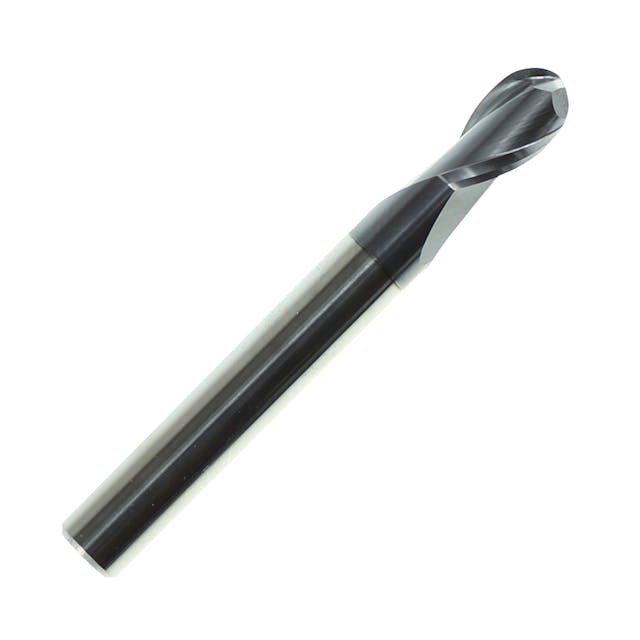
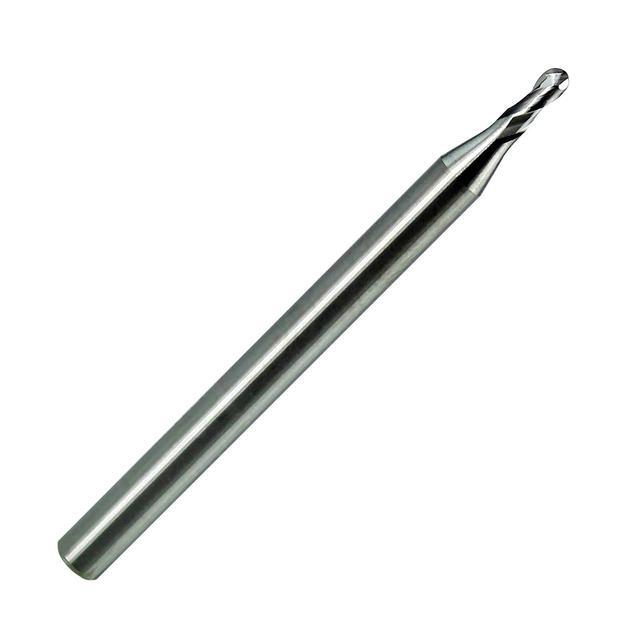
ECO-MILL coated carbide 2 flute ball nosed slot drill from STÄRKE, a TiALN coated general purpose cutter.


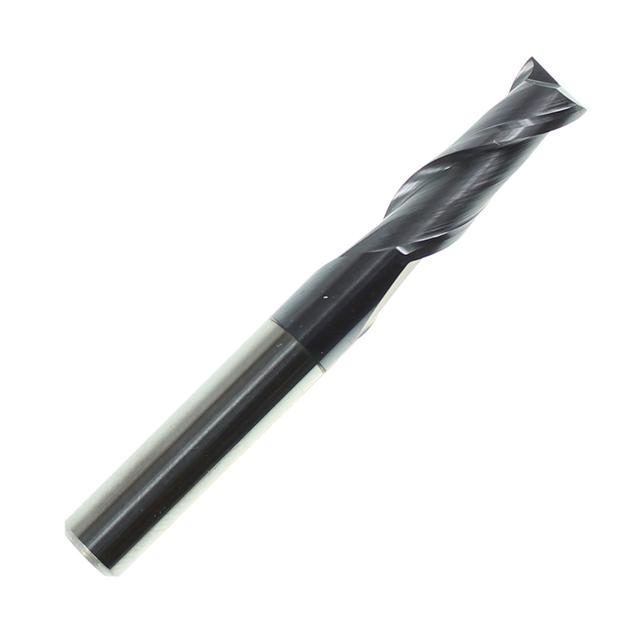
ECO-MILL Coated Carbide 2 Flute End Mill from STÄRKE is a TiALN coated general purpose cutter.

CNMG Style Turning Inserts (Starke)

WNMG Style Turning Inserts (Starke)

DNMG Style Turning Inserts (Starke)

TNMG Style Turning Inserts (Starke)
Within the STARKE product range you will find solid carbide and HSSE milling cutters (end mills, slot drills, ball nose, roughers), solid carbide twist drills, ISO carbide turning inserts with their holders & boring bars.
The strength of the range is its breadth and consistency.
Because STARKE covers the common substrates, geometries and applications across milling, drilling and turning, you can equip a machine for general-purpose work from a single supplier and know the grades and coatings are matched sensibly across the kit.
This makes tool selection straightforward and keeps spares simple.
The substrate is the biggest single factor in how a cutter behaves. Our STARKE HSSE cutters are high-speed steel with 8% cobalt making them tough, forgiving and inexpensive, ideal for older machines, manual mills, interrupted cuts and awkward set-ups where a brittle carbide tool might chip. They run at lower speeds but take a knock without shattering.
Solid carbide STARKE cutters are rigid and wear slowly, allowing much higher speeds and feeds but they are less tolerant of chatter, poor runout and interrupted cuts.
Use carbide on a sound, rigid machine with good workholding when you want cycle times down. A useful rule of thumb: the less rigid your set-up, the more you want the toughness of HSSE on your side.
Eco-Mill is STARKE’S economical line of general-purpose milling cutters aimed at everyday milling where the job does not demand a premium, application-specific tool.
These cutters deliver solid, repeatable performance on the common materials (mild steel, free-cutting stainless, cast iron & non-ferrous) at a price point that makes sense for general work and batch jobs.
Eco-Mill is a sensible choice for training shops, maintenance departments and one-off work where the cost of a top-tier cutter cannot be justified, as well as for roughing-out material before a finishing pass with a better tool.
They are not the tool for hardened steel or exotic alloys but for the bread-and-butter work that fills most of a workshop’s week, they earn their place on the shelf every time.
V60-Mill is STARKE'S line of higher-performance milling cutters for tougher ferrous work, built to run faster and last longer than the general-purpose ranges in steels, stainless and harder materials. The geometry and substrate are tuned for productive metal removal in the materials that blunt a generic cutter.
Ali-Mill is purpose-designed for aluminium and non-ferrous materials. Aluminium is soft but sticky, and it demands a cutter with polished flutes, a high helix and generous chip space so the swarf clears cleanly instead of packing and welding to the cutting edge.
A steel-optimised cutter used in aluminium will build up an edge and perform poorly which is why a dedicated Ali-Mill is the right choice when aluminium is the bulk of the work.
Flute count is about chip space versus edge strength. A 2-flute cutter has the most chip clearance, making it the go-to for softer materials like aluminium and for deeper slots where swarf needs room to escape.
Move to 3 flutes or 4 flutes and you gain more edges in the cut at once, improving finish and allowing higher feed rates in steels and cast iron however the trade-off here is less chip space.
On profile, a square end cutter produces a flat floor and sharp corners for facing, slotting and pocketing. A ball nose is for 3D profiling and contoured surfaces, blending a smooth form as it moves across the part.
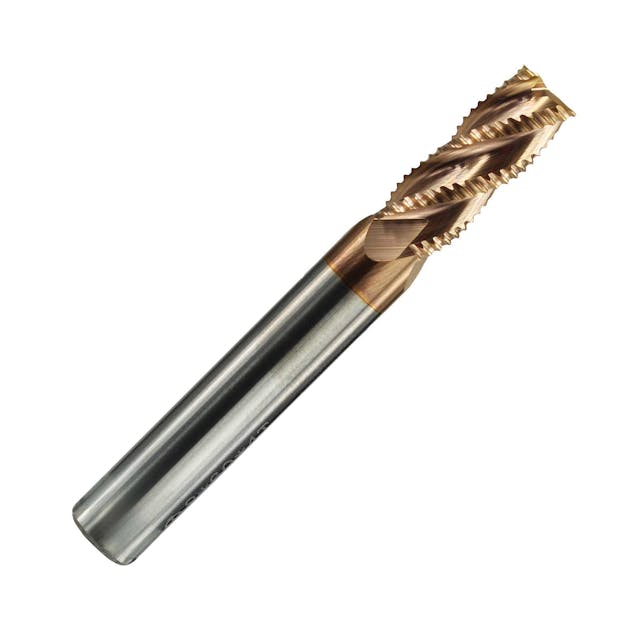
A rougher or ripper has a serrated edge that breaks the chip into small segments, cutting cooler and allowing heavier metal removal ahead of a finishing pass.
Pick the combination that matches the material and the geometry of the cut.
A variable helix cutter has flutes with differing helix angles rather than identical ones. The point of that variation is to break up the frequency of the cutting forces so the tool does not fall into a steady resonance with the workpiece, which is what produces the characteristic screaming chatter of a cutter being pushed into a harmonically unstable cut.
The result is a cutter that runs smoother and can take deeper, more aggressive cuts in tough materials where a standard helix would chatter. Variable helix cutters earn their keep in harder steels, stainless and difficult alloys on rigid machines, where suppressing chatter lets you use more of the tool’s capability.
For light, general work a standard cutter is perfectly adequate.
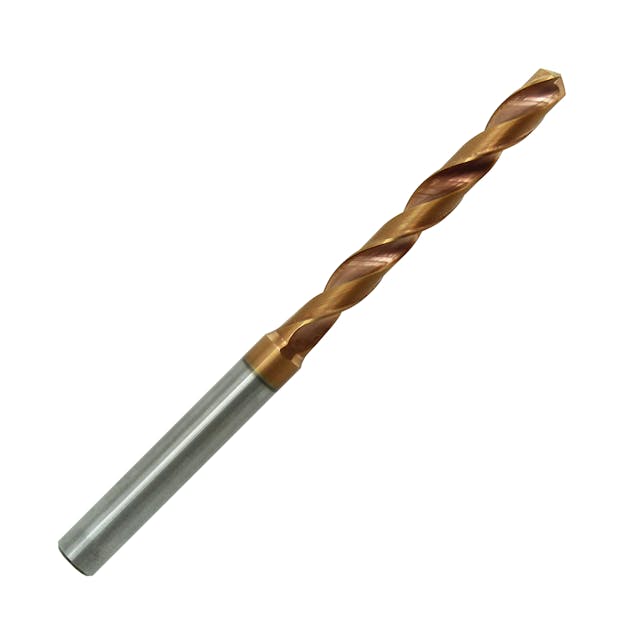
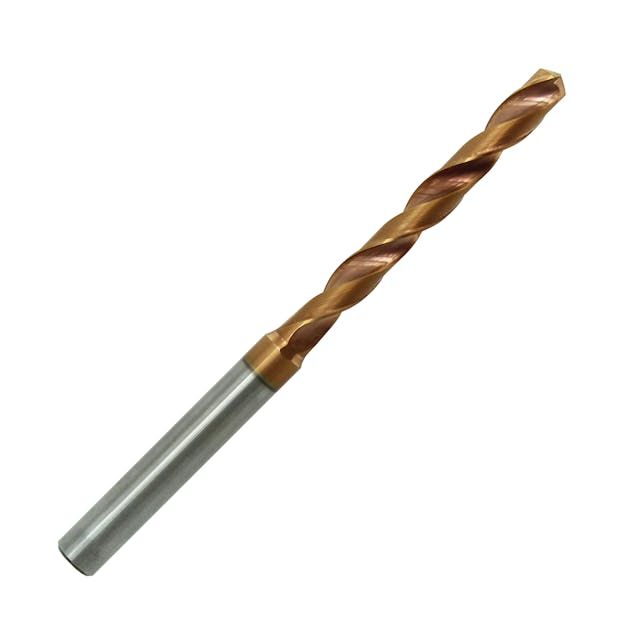
The STARKE solid carbide twist drills are for productive, accurate hole-making on CNC machines and rigid manual set-ups. They are available in 3xD stub and 5xD jobber lengths (the figure is the flute length as a multiple of the drill diameter), which tells you how deep a hole the drill will reliably produce in one pass.
Carbide drills run faster than HSS, hold size better and produce a better-quality hole, but they demand a rigid set-up and low runout because they will not tolerate the chatter or whip that an HSS drill will shrug off.
Use them on a sound machine with good workholding and spot or centre the hole first; run them too fast in a poor set-up and the brittle carbide will chip or shatter.
The match is made on grade and geometry.
The grade is the carbide substrate and its coating, tuned for a family of materials (a grade suited to steel will behave differently to one suited to stainless or cast iron).
The geometry (the rake, clearance and chipbreaker form) is then chosen to suit the cut: roughing wants a strong, positive chipbreaker, finishing wants a sharper geometry for a clean surface.
STARKE grades the application of its inserts across steel, stainless steel, cast iron, aluminium and heat-resistant super alloys, so the product data tells you which materials a given insert is intended for.
Running the right grade and geometry in the right material is the difference between an insert that lasts and one that notches and fails early.
When in doubt, our team of in-house engineers will confirm the correct insert for your material and cut.
Coatings can dramatically extend tool life and allow higher speeds but only when matched to the material and conditions.
A TiN coating is the long-standing general-purpose choice, adding hardness and reducing friction for most ferrous work.
TiAlN and AlTiN go further, coping with the higher temperatures generated in harder steels and stainless, and are best suited to carbide run at higher speeds.
For aluminium and non-ferrous work, a bright or uncoated finish is often preferred because the tougher coatings can build up an edge with sticky materials.
The point is to match the coating to the material because a cutter that performs superbly in steel may be the wrong choice in aluminium.
The product data in this category notes the coating where one is applied, so you can choose with confidence.