




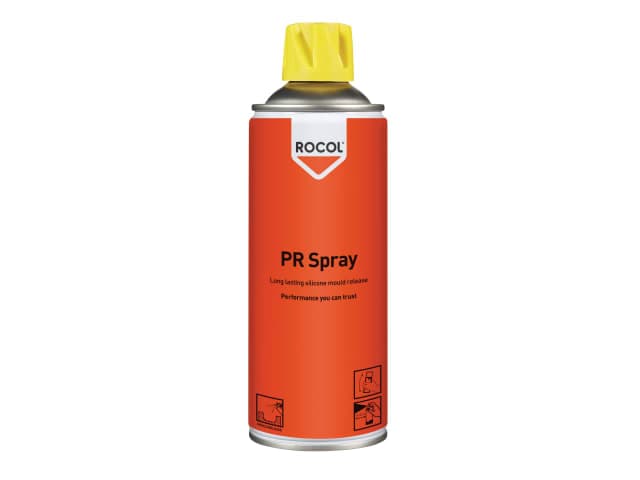
Rocol PR Spray for Silicone Mould Release
Series: ROC-PR-SPRAY£23.87 excl. VAT
£28.64 incl. VAT
ROCOL PR Spray is designed to give fast, efficient clean release in critical moulding applications. It penetrates and spreads to all parts of the most intricate mould to give full, clean release, with improved gloss finish.
PR Spray gives a fine, controlled spray with complete coverage for maximum economy. Use on all types of blow, injection, flow and compression moulding, particularly on complex tooling. Helps overcome difficulties encountered during setting and start up.
It has a gloss finish, the nature of the gloss finish is not suitable for painting or printing on the surface, please see MOULD RELEASE Spray for an alternative dry film product which is suitable to printing and painting on.
Temperature Range: up to +200°C
| SKU | Size / Size | Price (Ex VAT) |
|---|---|---|
| ROC72015 | 400ml | £23.87 |
Frequently Asked Questions
The Lubrication section covers three main areas.
Metal Working Fluids: includes water-based cutting fluids, neat cutting oils, tapping oils and grinding fluids, all the fluids used directly in the cutting zone.
Lubricating Oils: covers the machine tool lubricants that keep the machine itself running correctly, including slideway oils, hydraulic oils and gear oils.
Cleaners, Degreasers & Protective Oils: rounds out the range with system cleaners for coolant sumps, industrial degreasers, protective storage oils and marking layout inks.
These are the two fundamental categories of metalworking fluid and the correct choice for your needs depends on the machining operation and material.
Water-based cutting fluids (also called soluble oils or coolants) are concentrates that are diluted with water before use, typically at ratios between 5% and 10% fluid to water. Once diluted the mixture is primarily water, which gives it excellent heat-removal capability as water has a high specific heat capacity and carries heat away from the cutting zone more effectively than oil.
The diluted coolant is pumped continuously over the workpiece & cutting tool and recirculated through the machine sump. Water-based fluids are the standard choice for general CNC machining, milling, turning, drilling and grinding where the dominant concern is keeping the workpiece and tool cool. They are lower-cost per litre of working fluid than neat oils and easier to dispose of than oil waste.
Neat cutting oils are undiluted petroleum or synthetic oils applied directly without water dilution. They do not cool as effectively as water-based coolants because oil has a lower heat capacity than water but they provide significantly better lubrication at the cutting edge.
This makes neat oils the preferred choice for operations where the cutting action demands high lubricity rather than high cooling; primarily tapping, threading, broaching, gear hobbing, reaming, and deep-hole drilling in difficult materials.
In these operations maintaining an intact oil film between the tool and workpiece is more critical than removing heat.
Summary
Water-based coolants for general machining where cooling is the priority; neat oils for slow, high-pressure cutting operations where lubrication is the priority.
Most machine tools require several different lubricants for different systems within the same machine. Understanding which oil goes where is important because using the wrong oil in a machine tool can cause accelerated wear, seal damage and system failure.
Slideway oils are used to lubricate the linear guideways (slides) that carry the machine's axes. These oils have a specific property called "tackiness" which is a stickiness that keeps the oil film on vertical surfaces and prevents it draining away from the slideway interface.
They also contain anti-stick-slip additives that prevent the jerky motion (known as stick-slip or stiction) that occurs when a lubricated surface starts moving from rest. Using a straight mineral oil without these additives causes poor axis positioning accuracy and "chatter" in positioning moves.
Hydraulic oils power the hydraulic actuators found on many CNC machines, clamping systems, pallet changers, chuck actuation and tailstock movement. Machine tool hydraulics typically run at moderate pressures (up to approximately 150 bar) and require a fluid with good anti-wear properties, anti-oxidation stability and very low foaming tendency. .
Gera oils are for the gearboxes in the machine spindle drive, the axis drives and any other gear-driven components. They are heavily additised with EP compounds to protect gear teeth under high load.
Our critical rule: always to check your machine tool's lubrication manual before selecting oils. Many machine builders specify lubricants by ISO viscosity grade only while some specify by brand name. Using the correct ISO grade from a reputable manufacturer is generally acceptable where no specific brand is mandated.
The ISO viscosity grade (ISO VG) number is the kinematic viscosity of the oil measured in centistokes (cSt) at 40°C and rounded to the nearest standard value. A higher number means a thicker, more viscous oil. ISO VG 32 is thinner than ISO VG 68, which is thinner than ISO VG 150, which is thinner than ISO VG 320 and so on.
Machine tool manufacturers specify the correct viscosity for each lubrication system based on the operating speed, clearances and temperature range of that system. Slideway oil at ISO 68 means the oil has a kinematic viscosity of approximately 68 cSt at 40°C. Using a grade that is too thin means the oil film breaks down under load and too thick means excessive drag on moving components and poor flow at low temperatures.
Always match the ISO VG grade specified in your machine tool's lubrication manual. If the manual is unavailable, contact the machine manufacturer's UK service office or contact us for guidance.
Products are available in the following sizes depending on the product type:
For metalworking fluids and lubricating oils, 20-litre drums and 205-litre barrels are the main options. The 20-litre drum suits a single machine or small workshop with one or two sumps. The 205-litre barrel is economical for larger workshops running multiple machines, where a central dispensing system feeds individual machines or where a single large sump requires a full barrel per change.
For hand-applied products (tapping oils, protective oils), smaller containers from 50g up to 5kg are available to suit bench use and occasional application without requiring bulk storage.
Purchasing at the 205-litre barrel level typically represents a significant cost saving per litre compared to 20-litre drums so worth calculating for any fluid consumed regularly. Contact us to confirm current barrel pricing versus drum pricing for specific products.
Customers Also Viewed
ex VAT
ex VAT
ex VAT
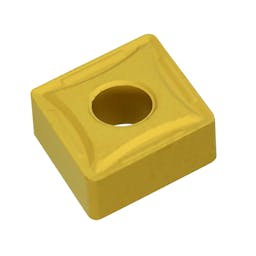
ex VAT
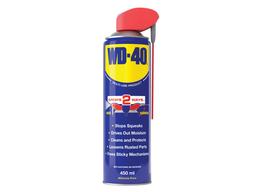
ex VAT
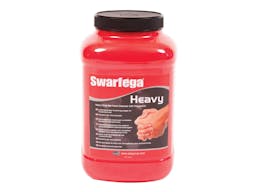
ex VAT
Service & Delivery Information
If the order is placed online, we offer free shipping to mainland UK on orders over £25 ex VAT.
This offer excludes certain items due to weight restrictions. These items will be highlighted in the shopping cart.
Delivery to Ireland, Northern Ireland, Scottish Highlands etc may incur additional charges.
Please see our delivery information page for a full breakdown.
You are able to cancel or return the goods of items that we stock. Goods which are ordered in from suppliers specifically for your order will be subject to a restocking fee.
We are able to offer businesses trade accounts subject to a soft credit check.
Please contact us if you would like to set up a trade account.
Tracking details will be emailed for all orders sent tracked once the goods have been shipped. This will include a link to the relevant courier's website.
Alternatively, you can also contact us who can track the order for you.
Please contact us if you have any questions regarding this product or any other product or service.
You can contact us by:
- Phone: 01274 872822
- Email: sales@milotools.co.uk
- Online chat