




Tapping Oils & Threading Oils
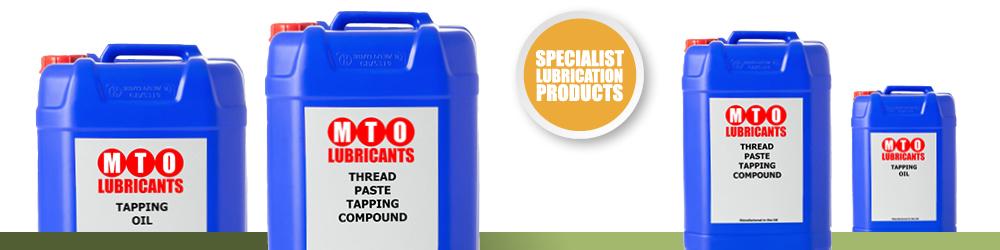
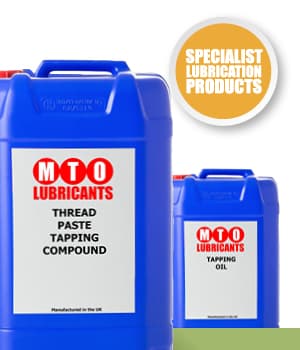
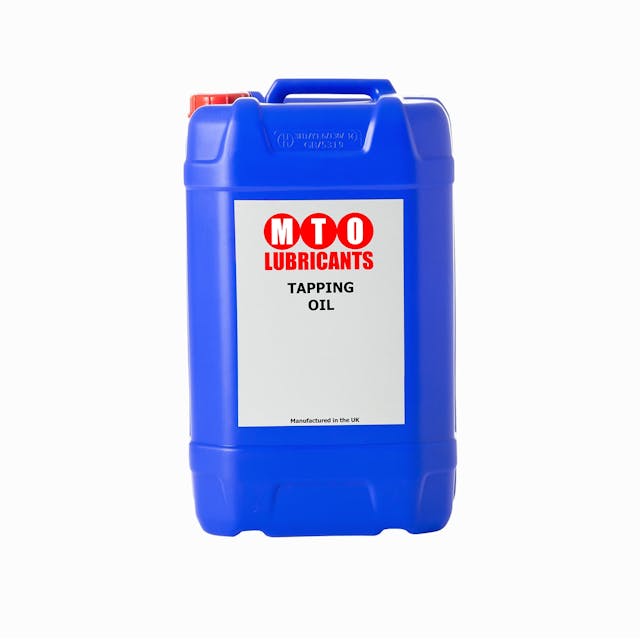
MTO TAPPING OIL - 1 LITRE
Benefits
- Based on highly effective extreme pressure and lubricity additives to promote ease of cutting and prolong tool life.
- Effective on high alloy steels and can be used on all non-ferrous metals.
- Optimum consistency so that the lubricant clings to the metal surface, even on the highest speed applications.
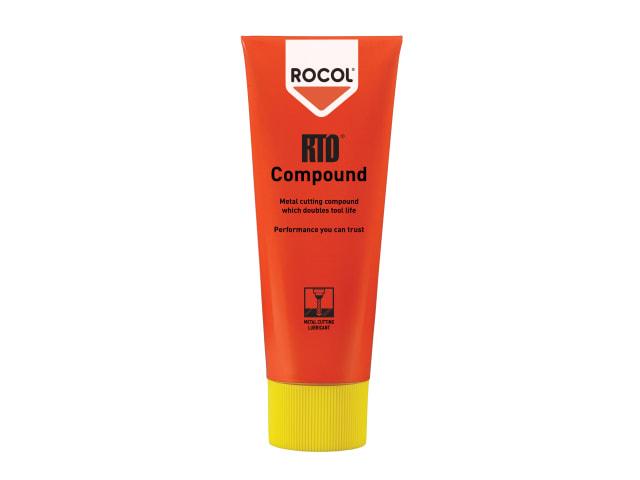
Rocol RTD Compound for Reaming, Tapping and Drilling
ROCOL RTD® Compound is a soft cutting paste that is suitable for all metals including hardened steels, titaniums and nimonics, in even the most severe metal cutting operations.
RTD® Compound is the world leading, hand applied, lubricant for reaming, tapping and drilling and has been the market leader for over 60 years. A must have product for all machine shops, tool-rooms and maintenance departments.
Frequently Asked Questions
Tapping is one of the most demanding operations in metal cutting. The tap is fully enclosed in the hole, the chips it generates have nowhere to go and the cutting forces on the cutting edges are high and constant.
A general cutting fluid will tap but a dedicated tapping lubricant is formulated for that exact combination of heavy EP performance and a consistency that clings to the tap through the full cut.
The difference shows up as longer tap life, a cleaner thread and far fewer broken taps.
A broken tap in a part you have already machined is a costly, sometimes irrecoverable failure, which is why a dedicated tapping oil or paste earns its place on any shop that cuts threads. It is a small cost that protects the work already in the part.
A tapping oil is a liquid that is pourable, pumpable and suited to production tapping where the lubricant can flood or drip onto the tool. It flows into the hole and reaches the cutting edges, which makes it the choice for CNC and turret work where a continuous supply is wanted.
A tapping paste is a soft, non-drip compound applied by brush or by dipping the tool. It stays exactly where you put it (on the tool and in the hole) and will not run off, which makes it the choice for hand and intermittent work, vertical holes and awkward locations where a liquid would drain away.
Both carry the same heavy EP chemistry but the form is about how the lubricant gets to and stays in the cut.
In a vertical hole, a liquid tapping oil runs straight back out under gravity before the tap has done its work, leaving the cut dry. A paste, by contrast, holds its position whether it is applied to the tap or smeared into the hole, it stays in the cutting zone through the full depth of the cut, carrying its EP additives with it.
That is why a paste is the practical choice for blind holes and vertical work on the bench or the manual machine. You apply it once, tap the thread and the lubricant is still there acting on the cutting edges at the bottom of the hole.
For horizontal CNC tapping with flood coolant, a liquid makes more sense but for one-off and vertical work, a paste.
RTD Compound (a Rocol paste for reaming, tapping and drilling) has been the shop-floor standard for hand-applied cutting lubrication for sixty years. It is a soft paste carrying a heavy EP additive package, effective on all metals including hardened steels, titanium and the nimonic superalloys, in even the most severe cuts.
Its place is the toolroom, the maintenance shop and the bench, where a machinist reams a hole, taps a thread or drills a tough material by hand and wants a lubricant that will not let the tool down.
It is not glamorous, but it is the product that has earned a permanent home beside every manual drilling and tapping set-up because it simply works on the hardest cuts.
EP (extreme pressure) additives are the chemistry that prevents the tool welding to the work under the high pressures at the cutting edge. In tapping, the whole cutting edge is buried in the work and the surface pressure is extreme, particularly at the last threads of the cut and in tough materials — exactly where a plain lubricant breaks down and allows galling.
An EP tapping lubricant forms a sacrificial film on the tool and work that keeps them apart, so the tap cuts cleanly instead of picking up and tearing. Without EP, you get torn threads, a tight anbound tap and, often, a snapped tap.
The EP package is the core of why these products exist, and it is what you are paying for.
The consistency (how thick or thin the oil is) governs how well it clings to the tool and how it flows in use.
A high-speed tap flings a thin oil off before it reaches the bottom of the hole, leaving the cut dry; an oil with the right consistency, like the MTO Tapping Oil formulated for "optimum consistency", clings to the metal surface even at high tap speeds and carries the EP additives into the cut.
Get this right and the lubricant arrives and stays where the work is happening. Too thin and it runs off but too thick and it will not penetrate to the bottom of a blind hole.
The formulation balances the two, which is why a dedicated tapping oil is not the same as a general neat oil poured into an oil can.
The MTO Tapping Oil is effective on high-alloy steels and can be used on all non-ferrous metals, covering the bulk of workshop work. The thread paste is safe on steels, copper, brass, stainless steel and ceramics. The Rocol RTD Compound goes further, covering hardened steels, titanium and the nimonic superalloys used in aerospace and high-temperature work.
The point is to match the lubricant to the material.
Free-cutting mild steel taps easily with almost anything but stainless and the aerospace alloys demand the heaviest EP chemistry and a product rated for them.
If you are tapping an unfamiliar or difficult material, check the product’s material coverage rather than assuming becauase a tap is a poor place to discover a lubricant was not up to the cut!
Yes because tapping, drilling and reaming all involve a tool buried in the work under high surface pressure and the EP chemistry that protects a tap does the same job for a drill or reamer.
The MTO Thread Paste is specified for drilling, sawing and thread cutting and RTD Compound is named exactly for reaming, tapping and drilling.
That is why these products earn a place beside every manual drilling and reaming set-up, not just the tapping kit.
A smear on a reamer in a tough material extends reamer life and improves the bore finish and a dab on a drill cutting into stainless keeps the edge cool and cutting.
One paste does all three, which is what makes them shop-floor standards.
Apply a paste by brushing it onto the tool (tap, reamer or drill) or by dipping the tool into it, then bring the tool to the work. A thin, even coat on the cutting edges is what you want because a great clump does nothing extra and makes a mess of the work and the surrounding bench. The non-drip nature of a paste means it stays where you put it through the cut.
Re-apply as the cut dulls the film or on a new tool (you can feel and hear when the lubricant has done its work and the cut is drying out).
For small taps, dipping the tap into the paste is cleaner than brushing but for larger tools a brush is quicker.
Keep the paste container closed and clean between uses because swarf in the paste ends up in the cut.
On a manual machine, apply the oil with a squirt can or brush directly to the tap and the entry to the hole before you start the cut and re-apply if the cut is long or the oil runs off.
On a CNC or turret with through-spindle or flood delivery, set the lubricant to flow before the tap starts and continue through the withdrawal so the chips flush out with the oil.
Do not drown the job!
A steady film on the tap is enough and excess just makes a mess and complicates cleaning.
The aim is to keep the cutting edges wet through the whole cut and on a blind hole, that also means the chips are lubricated as they pack, which reduces the risk of the tap binding at the bottom.
Yes, generally.
A tapping paste is designed to cling, which means a residue remains in the thread and on the part after tapping. Wipe the threads with a rag and, where the part requires it, wash the residue off with a solvent or in a parts washer before assembly because the EP chemistry left in the thread can stain some materials over time and will interfere with some finishes and coatings.
It is a small step and worth the discipline, particularly on parts that will be painted, plated or stored.
The MTO thread paste and RTD Compound are formulated for manageable residue, but they are not intended to be left in the finished thread. A quick wipe-down is all that is usually needed.
These products come in a range of pack sizes; tapping oil in a 1-litre bottle, pastes in 50 g and 500 g tubs and 3 kg or 5 kg tubs.
The small sizes suit a single bench, a maintenance kit or a trial and the larger tubs are the economical choice for a workshop running through paste steadily, where the per-kilogram cost is far lower.
If you are starting out or trying a product, buy the small size and confirm it suits your work.
Once you have settled, the larger tub earns its place by the bench because a paste in a 3 kg tub keeps a workshop supplied for a long time and costs a fraction of the small tubs per gram. Keep it sealed between uses to keep it clean.
The MTO Tapping Oil is effective on non-ferrous metals and the MTO Thread Paste is safe on copper and brass as well as steels and stainless, so you can use a single product across a mix of work without staining concerns on the common yellow metals. RTD Compound is rated for all metals including the aerospace alloys.
The thing to watch is active-sulphur chemistry, which can stain brasses and coppers but the products here are formulated to avoid that issue where their material coverage includes yellow metals.
If you are tapping a particularly staining-sensitive alloy, confirm the product’s coverage first.
For general brass and copper work, the MTO Thread Paste is safe and straightforward.
Store tapping oils sealed, upright and away from heat and cold (a steady, cool, dry cupboard keeps them serviceable for a long time). Pastes are similarly robust, but keep the lid on to prevent the paste drying out and picking up dust, since a dried or gritty paste will not perform and will mark the work.
Keep the application brush or dipping area clean. A dedicated brush for each paste avoids cross-contamination between products and stops swarf being carried into the tub, where it ends up in the next cut.
A little discipline (clean brush, sealed tub, dry store) keeps these products going for their full stated shelf life.
Choose by the work and the set-up.
For CNC and production tapping with flood or through-tool delivery, a liquid tapping oil like the MTO Tapping Oil flows to the cut and suits the machine.
For manual, bench, vertical and blind-hole work, a paste like the MTO Thread Paste or the Rocol RTD Compound stays put and reaches where a liquid cannot.
Then match the chemistry to the material: The MTO products cover steels, stainless, brass and non-ferrous and the RTD Compound goes on into hardened steels, titanium and nimonics.
If you tell us the material, the tap type and how you are cutting the thread (by hand or by machine) our engineers will specify the right lubricant and pack size for the job.