


Carbide Twist Drill Bits for Machining Stainless Steel
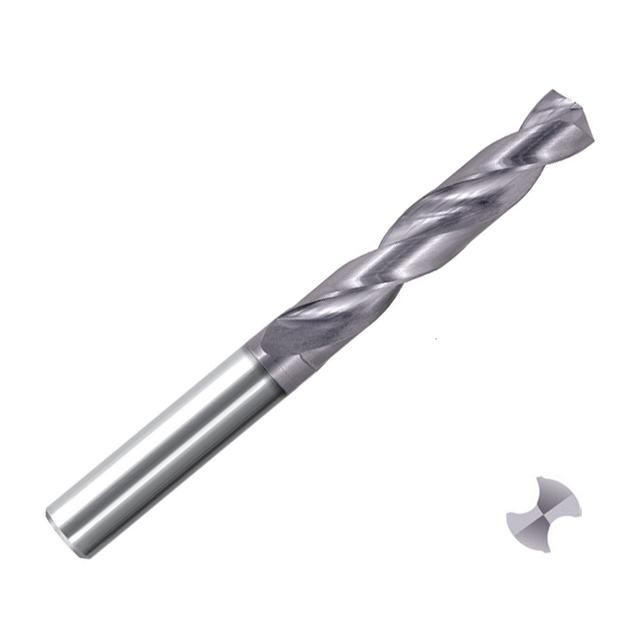
Coated Carbide Jobber Drill for General machining - 5xD
Features:
- For high-speed drilling of Steel and Stainless Steel
- ALTiN coated for increased tool life
- Optimised Chipbreaker
- High Rake angle
- 5xD jobber drill
- Series available up to 8xD in selected sizes
£23.47 excl. VAT
£28.16 incl. VAT
£15.30excl. VAT
£18.36incl. VAT
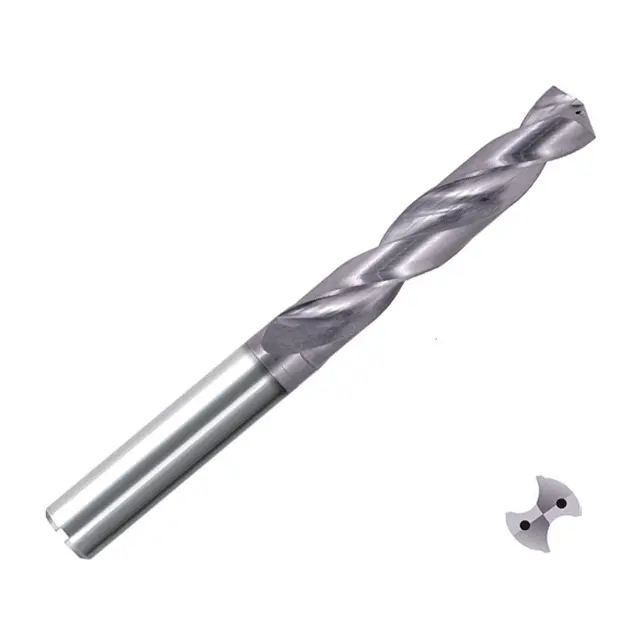
Carbide Through Coolant General Purpose Jobber Drill- 5xD
Features:
For high-speed drilling of Steel and Stainless Steel
ALTiN coated for increased tool life
Optimised Chipbreaker
High Rake angle
Through coolant
5xD jobber drill
Series available up to 8xD in selected sizes
£35.93 excl. VAT
£43.12 incl. VAT
£27.79excl. VAT
£33.35incl. VAT
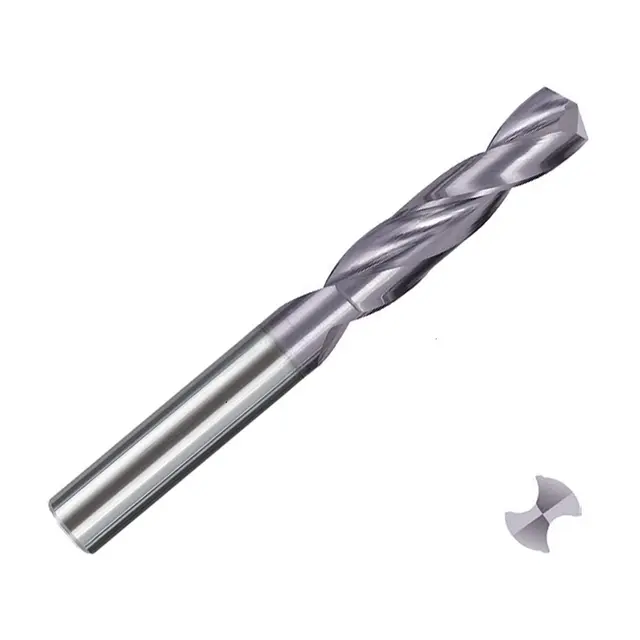
SU Series Solid Coated Carbide Twist Drill 3xD (STUB) ZCC-CT
- For high-speed drilling of Steel and Stainless Steel
- ALTiN coated for increased tool life
- Optimised Chipbreaker
- High Rake angle
- 3xD stub drill
- Series available up to 8xD in selected sizes
£18.93 excl. VAT
£22.72 incl. VAT
£9.19excl. VAT
£11.03incl. VAT
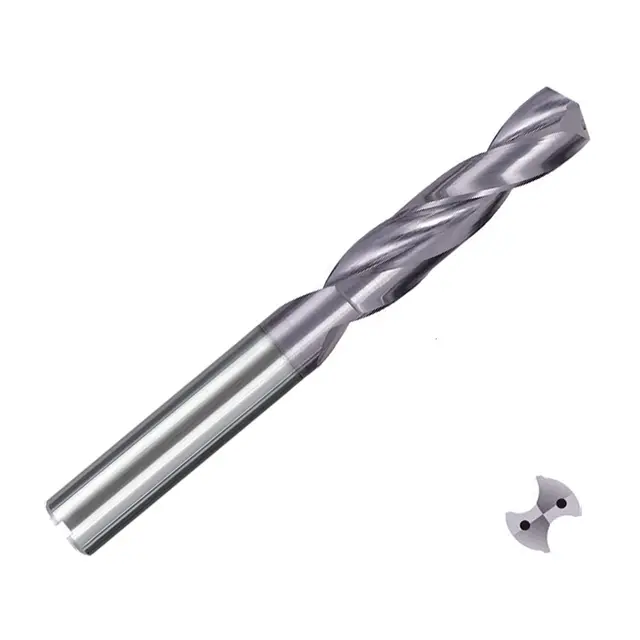
UD Series Solid Coated Carbide Twist Drill 3xD Stub Drill For Stainless Steel & HRSA
- For high-speed drilling of Tough Steel, Stainless Steel and Heat-Resistant Alloys
- TiAlN coated for increased tool life
- Optimised Chipbreaker and sharp cutting edge to avoid built up edge
- High Rake angle
- Through coolant
- 3xD stub drill
UD Series Solid Coated Carbide Twist Drill 5xD Jobber Drill For Stainless Steel & HRSA
- For high-speed drilling of Tough Steel, Stainless Steel and Heat-Resistant Alloys
- TiAlN coated for increased tool life
- Optimised Chipbreaker and sharp cutting edge to avoid built up edge
- High Rake angle
- Through coolant
- 5xD jobber drill
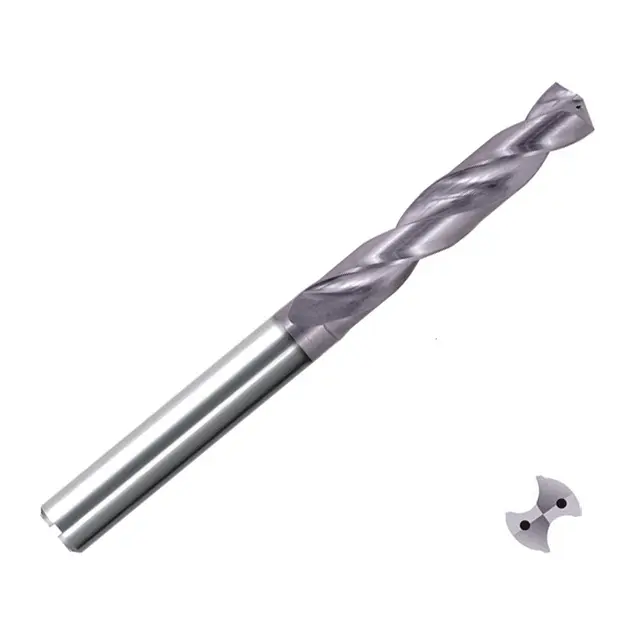
Solid Coated Carbide Through Coolant Twist Drill 8XD ZCC-CT
- For high-speed drilling of Steel and Stainless Steel
- ALTiN coated for increased tool life
- Optimised Chipbreaker
- High Rake angle
- Through coolant
- 8xD long series
- Series also available in 3xD and 5xD
£66.34 excl. VAT
£79.61 incl. VAT
ZCC-CT Solid Coated Carbide Stub Drill Through Coolant
- For high-speed drilling of Steel and Stainless Steel
- ALTiN coated for increased tool life
- Optimised Chipbreaker
- High Rake angle
- Through coolant
- 3xD stub drill
- Series available up to 8xD in selected sizes
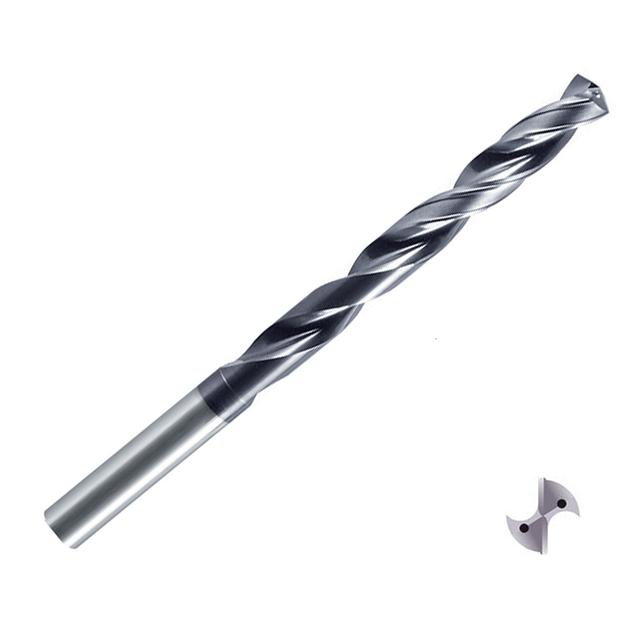
ZCC-CT 1588SL20C SL Series Solid Coated Carbide Through Coolant Twist Drill for General Purpose Drilling - 20xD Long Series
1588SL20C SL Series by ZCC-CT. Solid coated carbide for general purpose drilling.
- For deep hole drilling
- For drilling steel, stainless steel, aluminium & non-ferrous material and heat-resistant alloys
- 20xD long series
- Through coolant
£173.45 excl. VAT
£208.14 incl. VAT
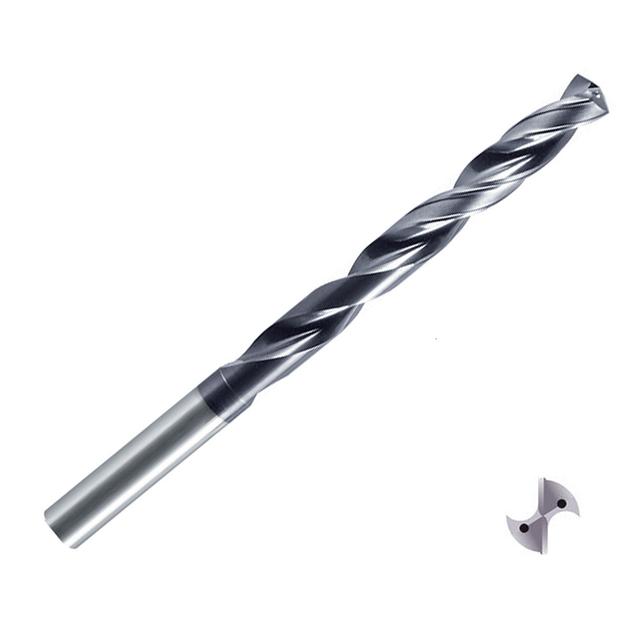
ZCC-CT 1588SL12C SL Series Solid Coated Carbide Through Coolant Twist Drill for General Purpose Drilling - 12xD Long Series
1588SL12C SL Series by ZCC-CT. Solid coated carbide for general purpose drilling.
- For deep hole drilling
- For drilling steel, stainless steel, aluminium & non-ferrous material and heat-resistant alloys
- 12xD long series
- Through coolant
£90.78 excl. VAT
£108.94 incl. VAT
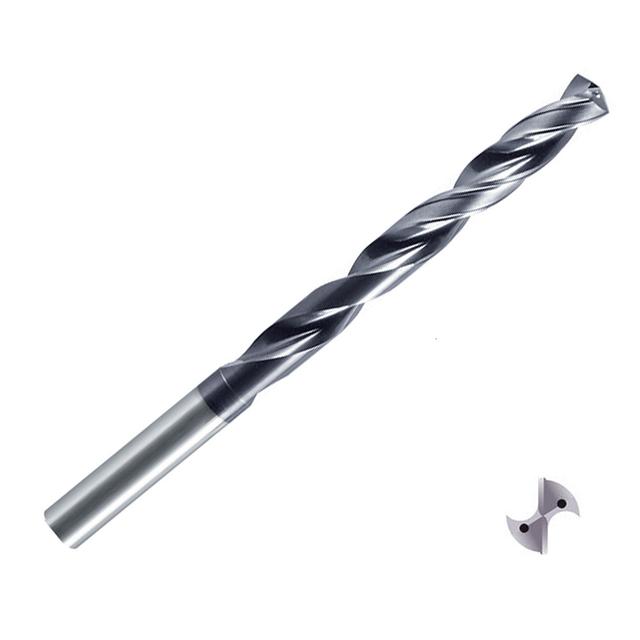
ZCC-CT 1588SL30C SL Series Solid Coated Carbide Through Coolant Twist Drill for General Purpose Drilling - 30xD Long Series
1588SL30C SL Series by ZCC-CT. Solid coated carbide for general purpose drilling.
- For deep hole drilling
- For drilling steel, stainless steel, aluminium & non-ferrous material and heat-resistant alloys
- 30xD long series
- Through coolant
£227.59 excl. VAT
£273.11 incl. VAT
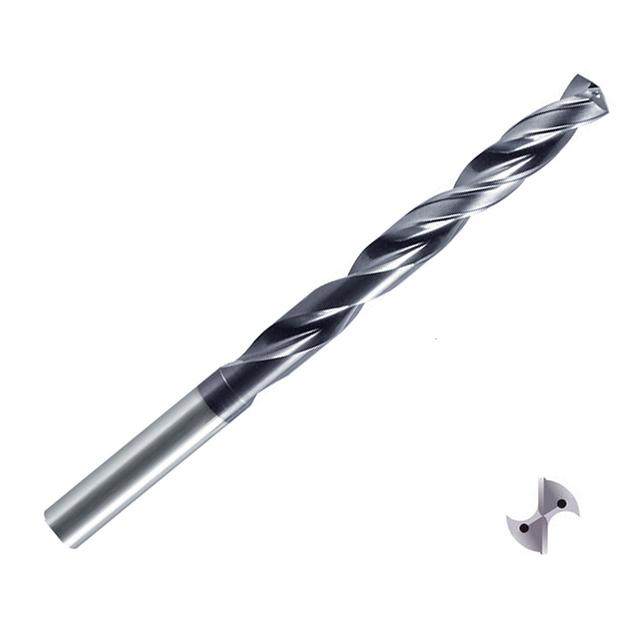
ZCC-CT 1588SL10C SL Series Solid Coated Carbide Through Coolant Twist Drill for General Purpose Drilling - 10xD Long Series
1588SL10C SL Series by ZCC-CT. Solid coated carbide for general purpose drilling.
- For deep hole drilling
- For drilling steel, stainless steel, aluminium & non-ferrous material and heat-resistant alloys
- 10xD long series
- Through coolant
£63.94 excl. VAT
£76.73 incl. VAT
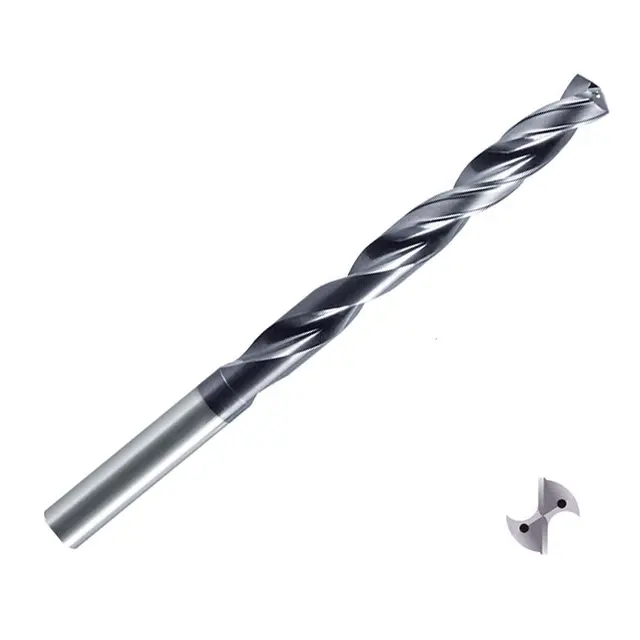
ZCC-CT 1588SL15C SL Series Solid Coated Carbide Through Coolant Twist Drill for General Purpose Drilling - 15xD Long Series
1588SL15C SL Series by ZCC-CT. Solid coated carbide for general purpose drilling.
- For deep hole drilling
- For drilling steel, stainless steel, aluminium & non-ferrous material and heat-resistant alloys
- 15xD long series
- Through coolant
£115.70 excl. VAT
£138.84 incl. VAT

ZCC-CT 1534SP03C SP Series Solid Coated Carbide Through Coolant Twist Drill for General Purpose Drilling - 3xD Stub Drill
1534SP03C SU Series by ZCC-CT. Solid coated carbide drill.
- For high-speed drilling of Steel, Stainless Steel, Cast Iron, Aluminium & Non-Ferrous material and Heat-Resistant Alloys
- TiAlN coated for increased tool life
- 3xD stub drill
- Through coolant
£34.73 excl. VAT
£41.68 incl. VAT

ZCC-CT 1736SU05C SU Series Solid Coated Carbide Through Coolant Twsit Drill for General Purpose Drilling - 5xD Jobber Drill
1736SU05C SU Series by ZCC-CT. Solid coated carbide for general purpose drilling.
- For high-speed drilling of Steel and Stainless Steel
- ALTiN coated for increased tool life
- 5xD jobber drill
- Through coolant
£31.67 excl. VAT
£38.00 incl. VAT
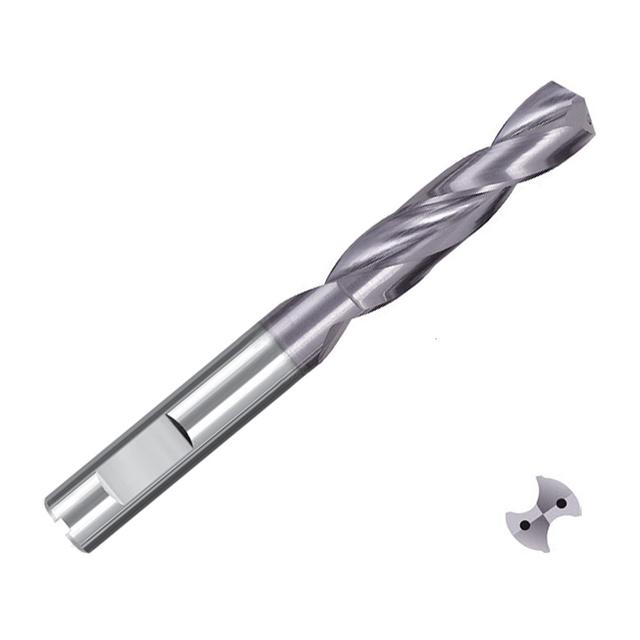
ZCC-CT 1634SU03C SU Series Solid Coated Carbide Through Coolant Twist Drill for General Purpose Drilling - 3xD Stub Drill
1634SU03C SU Series by ZCC-CT. Solid coated carbide for general purpose drilling.
- For high-speed drilling of Steel and Stainless Steel
- ALTiN coated for increased tool life
- Weldon shank
- 3xD stub drill
- Through coolant
£30.69 excl. VAT
£36.83 incl. VAT
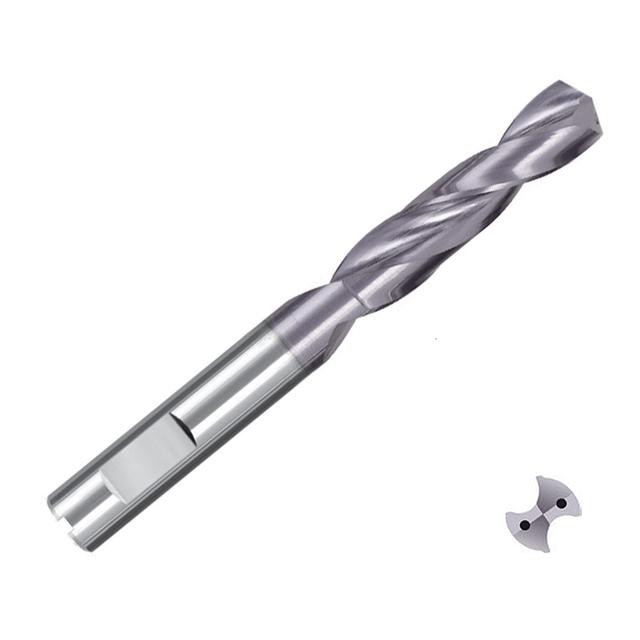
ZCC-CT 1636SU05C SU Series Solid Coated Carbide Through Coolant Twist Drill for General Purpose Drilling - 5xD Jobber Drill
1636SU05C SU Series by ZCC-CT. Solid coated carbide for general purpose drilling.
- For high-speed drilling of Steel and Stainless Steel
- ALTiN coated for increased tool life
- 5xD jobber drill
- Through coolant
£35.93 excl. VAT
£43.12 incl. VAT
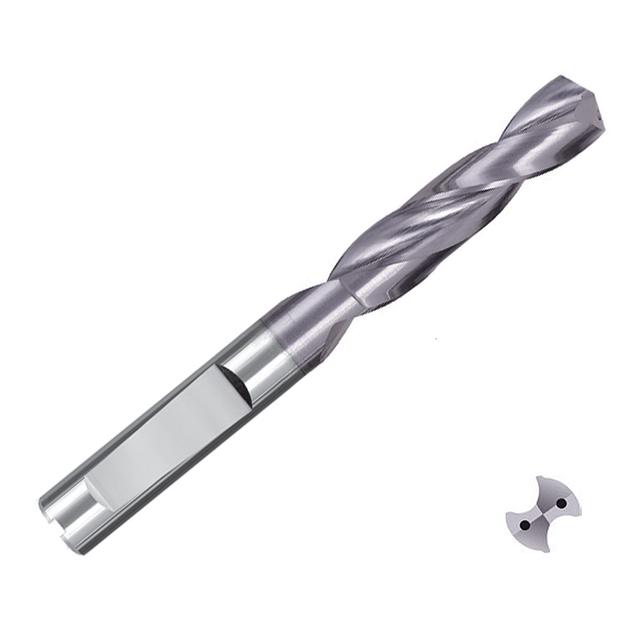
ZCC-CT 1734SU03C SU Series Solid Coated Carbide Through Coolant Twist Drill for General Purpose Drilling - 3xD Stub Drill
1734SU03C SU Series by ZCC-CT. Solid coated carbide for general purpose drilling.
- For high-speed drilling of Steel and Stainless Steel
- ALTiN coated for increased tool life
- 3xD stub drill
- Through coolant
£27.05 excl. VAT
£32.46 incl. VAT
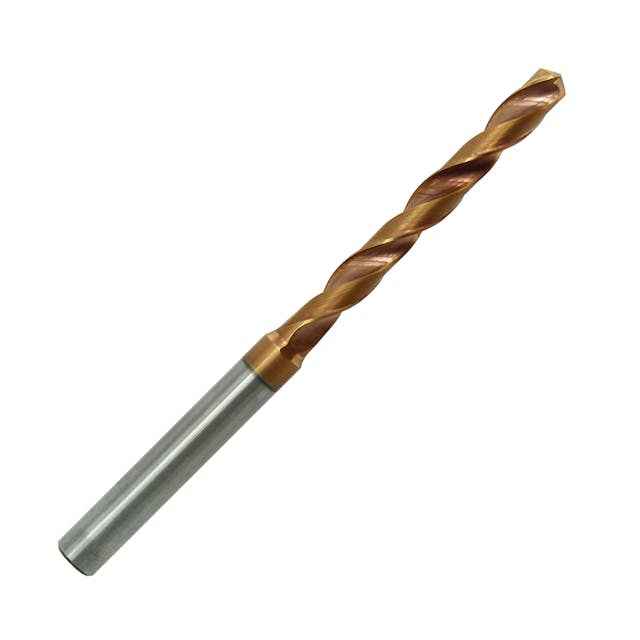
Eco-Drill Solid Carbide Stub Drill for General Machining (Starke)
- Micrograin Carbide
- TiALN Coated for Increased Tool Life
- For General Machining of Steel, Stainless Steel and Cast Iron
- 3XD
- Without Through Coolant
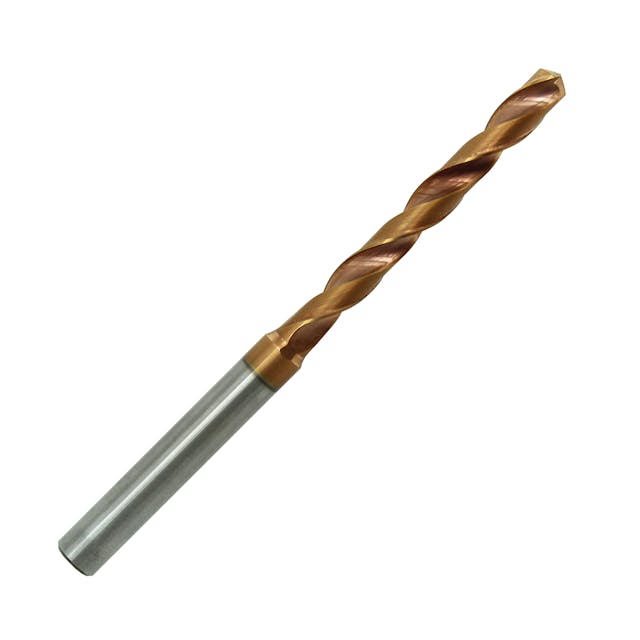
Eco-Drill Solid Carbide Jobber Drill for General Machining (Starke)
- Micrograin Carbide
- TiALN Coated for Increased Tool Life
- For General Machining of Steel, Stainless Steel and Cast Iron
- 5XD
- Without Through Coolant

KENNAMETAL Solid Carbide 3xD Through Coolant GOdrill
- GOdrill — the first microdrill from Kennametal.
- General purpose SC drill for most materials.
- Marginless design for reduced friction and heat — thus longer tool life.
- Optimized gashing design for microdrilling ensures free flow of chips in the center of the drill.
- Size range from 1mm - 20mm
£44.50 excl. VAT
£53.40 incl. VAT

KENNAMETAL Solid Carbide 5xD Through Coolant GOdrill
- GOdrill — the first microdrill from Kennametal.
- General purpose SC drill for most materials.
- Marginless design for reduced friction and heat — thus longer tool life.
- Optimized gashing design for microdrilling ensures free flow of chips in the center of the drill.
- Size range from 1mm - 20mm
£53.80 excl. VAT
£64.56 incl. VAT

KENNAMETAL Solid Carbide 8xD Through Coolant GOdrill
- GOdrill — the first microdrill from Kennametal.
- General purpose SC drill for most materials.
- Marginless design for reduced friction and heat — thus longer tool life.
- Optimized gashing design for microdrilling ensures free flow of chips in the center of the drill.
- Size range from 1mm - 20mm
£91.60 excl. VAT
£109.92 incl. VAT

KENNAMETAL Solid Carbide 3xD GOdrill
- GOdrill — the first microdrill from Kennametal.
- General purpose SC drill for most materials.
- Marginless design for reduced friction and heat — thus longer tool life.
- Optimized gashing design for microdrilling ensures free flow of chips in the center of the drill.
- Size range from 1mm - 20mm
£32.10 excl. VAT
£38.52 incl. VAT

KENNAMETAL Solid Carbide 5xD GOdrill
- GOdrill — the first microdrill from Kennametal.
- General purpose SC drill for most materials.
- Marginless design for reduced friction and heat — thus longer tool life.
- Optimized gashing design for microdrilling ensures free flow of chips in the center of the drill.
- Size range from 1mm - 20mm
£40.55 excl. VAT
£48.66 incl. VAT
Frequently Asked Questions
Stainless steel is one of the most demanding materials a twist drill meets. It work-hardens under the cutting edge, so any rubbing or light cut leaves a hardened skin that the next pass has to penetrate; it is tough and gummy rather than brittle, so it produces long stringy chips that are hard to break and easy to pack; and it conducts heat poorly, so the heat stays in the cutting edge rather than flowing into the chip or the work. A general-purpose drill, run at general-purpose conditions, will rub, work-harden the bore, load up with chips, overheat and fail early.
A dedicated stainless-steel carbide drill addresses each of these. The geometry is ground for low cutting force and clean chip breaking, the coating resists the heat and the adhesive wear that stainless brings and the through-coolant flushes the chips out of the flutes and cools the edge directly. In this category, the ZCC-CT UD Series is the drill built specifically for this work.
The UD Series is the ZCC-CT solid carbide drill developed specifically for machining stainless steel and the heat-resistant super alloys (HRSA). It is the dedicated drill in this category and it is engineered around the problems stainless presents.
The main and chisel edges are optimised to minimise the cutting pressure, which keeps the work-hardening down. The fluting is designed to facilitate chip breaking, so the long stringy stainless chip is broken into manageable pieces rather than wrapping the drill.
The clearance angle is increased, which allows higher feeds. Every UD drill is equipped with internal cooling (through-coolant), which is essential on stainless to clear the chips and cool the edge.
The PVD coating gives improved hardness, optimised thermal stability, and a low coefficient of friction and the wear behaviour is homogeneous meaning the drill wears predictably rather than failing suddenly.
The customers who benefit most are the food, chemical and aerospace industries, where the stainless and the alloy work is the core of the business.
The UD Series runs from 3 mm to 20 mm in diameter. Up to 10 mm the increments are 0.1 mm, giving a fine choice for the smaller bores; above 10 mm the steps are 0.5 mm. The length range is 3xD (stub) and 5xD (jobber), both on a cylindrical shank.
This makes the UD a short-to-medium-depth drill. For the deeper stainless bores (8xD, 10xD, 12×D, 15xD, 20xD and even 30xD) you move to the long-series drills in the category (the SL Series and the equivalent deep-hole carbide drills), with through-coolant and a pecking cycle to manage the chips in the deep bore.
Although the UD is the dedicated stainless drill, several other series in this category carry the stainless-steel application rating and will drill stainless when matched to the job. The SU Series (general machining) is the broad everyday carbide drill and covers stainless alongside steel and cast iron for the general-purpose work. The SL Series (long series) extends the general-purpose drilling into the deeper bores and is rated for stainless where a long drill is needed.
The SH Series (hardened steel) and the PC Series (cast iron) are tuned for their specific materials and are not the first choice for stainless, though the SH will handle the harder stainless grades where the UD reaches its limit. The SC and PA Series are the aluminium and non-ferrous drills and are not used on stainless. The SP Series is the pilot drill range, used to start a hole before the main drill.
Our working rule is: UD for the dedicated stainless work, SU for the general-purpose stainless, SL for the deep stainless bores, and SP to pilot any of them when the entry conditions demand it.
On stainless, the coolant does two jobs at once, and both are critical. First, it clears the chips. The stainless chip is tough and stringy and in a blind or a deep hole it will pack the flutes and weld itself to the drill if it is not flushed out, which is the most common cause of a snapped carbide drill. Through-coolant, delivered through the body of the drill and out at the tip, blasts the chips back up the flutes and out of the hole.
Second, it cools the cutting edge. Stainless holds its heat at the edge, and a hot edge softens the carbide and accelerates the wear. The through-coolant hits the edge directly at the point of cut, where the cooling is needed most. This is why every UD drill has internal cooling as standard, and why the through-coolant drills (over 5,000 line items in this category) are the majority of the stainless range.
A drill without through-coolant can still drill stainless, but it needs a pecking cycle to break the chips and an external flood to clear them, and the tool life will be shorter. For any production stainless drilling, the through-coolant drill is the right choice.
The length is governed by the depth of the hole, and the rule is to use the shortest drill that will reach. A shorter drill is stiffer, so it deflects less, runs truer, and breaks less — and on stainless, where the cutting forces are high and the chips are stubborn, the stiffness matters more than on any other material.
In this category the lengths run: 3xD stub for the shallow holes and the most rigid setup; 5xD jobber for the everyday through-holes; then 8xD, 10xD, 12xD, 15xD, 20xD and 30xD long series for the progressively deeper bores.
The 3xD stub is the first choice wherever the depth allows it. Step up to the 5xD when the hole is deeper than 3 diameters and to the long series only when the depth demands it.
Each step up in length costs rigidity and demands a pecking cycle to manage the chips.
Stainless is run slower and with a more positive feed than steel, because the work-hardening punishes a rubbing edge. The cutting speed for a carbide drill in the 300-series stainless is typically in the 30 to 60 m/min band and that is lower than the same drill would run in mild steel and lower still for the harder alloys and the HRSA. The feed per revolution is kept positive, around 0.05 to 0.12 mm/rev depending on the diameter, so the drill cuts rather than rubs and the chip is thick enough to break.
The UD Series, with its increased clearance angle, is designed to take the higher feeds and the through-coolant lets the edge take the heat. Start at the conservative end of the band for a new job, watch the chip form (you want small, broken chips, not long strings) and adjust up once the drilling is stable. The exact figures depend on the grade, the machine rigidity and the coolant pressure, and our engineers will give you the starting figures for your specific stainless.
On the short drills (3xD and 5xD) with through-coolant, a continuous cycle is often enough — the coolant clears the chips and the drill runs straight through. On the longer drills (8×D and above), or on any drill without through-coolant, a pecking cycle is essential. Pecking retracts the drill to break the chip and to let the coolant flush the chips out of the hole, which prevents the packing that snaps the drill.
The depth of each peck is set by the chip load and the flute capacity. Start with a peck depth of about half the drill diameter and adjust down if the chips are packing. On the very deep bores (20xD, 30xD) the pecking cycle is the only thing that keeps the drilling stable and the first peck is a pilot to get the drill started true.
Work-hardening is the tendency of stainless to become harder at the surface when it is deformed or rubbed. When a drill rubs the bore without cutting because the feed is too light, the edge is dull, or the drill is dwelling at the bottom of a peck the stainless under the edge hardens, sometimes to the point where the carbide can no longer cut it. The next pass then has to penetrate a hardened skin, the heat builds and the drill fails.
The defence is to keep the drill cutting. Run a positive feed so the edge is always under the chip, not rubbing the surface. Do not let the drill dwell at the bottom of the hole or the peck (retract it cleanly. Keep the edge sharp) a dull drill rubs where a sharp one cuts. And use the through-coolant to keep the edge cool, because a hot edge rubs where a cool one cuts. The UD geometry, with its low cutting pressure, is designed to minimise the work-hardening in the first place.
Four brands carry the stainless-steel rating in this category. ZCC-CT is the largest and is the maker of the dedicated UD Series, the drill engineered specifically for stainless and HRSA. Kennametal is the next and brings the North American engineering and the deep-hole and the high-performance drilling. Then we have STARKE and Emuge-Franken, both covering the stainless application across their general and long-series ranges.
The choice between them is less about the brand and more about the series and the geometry for the job. For the dedicated stainless work, the ZCC-CT UD is the purpose-built drill. For the general and the long-series stainless drilling, any of the four will serve and the decision comes down to the diameter, the length, the coolant and the availability. Our engineers will match the brand and the series to your specific stainless grade and bore.
Yes, the HRSA (Inconel, Hastelloy, the titanium alloys and the like) are rated in this category alongside the stainless.
The UD Series is explicitly developed for both the stainless and the HRSA, because the two families share the work-hardening, the poor thermal conductivity and the tough chip that make a dedicated drill necessary.
The HRSA are harder on the drill than the stainless, though. The cutting speeds come down further, the feeds stay positive, the through-coolant is non-negotiable and the pecking is deeper and more frequent.
The UD will handle the HRSA within its diameter and length range; for the harder and the deeper HRSA bores, talk to our engineers about the specific drill and the cutting data, because the alloy dictates the approach.
The common failure modes are few and each has a clear cause.
The first is the chip packing as the chips weld and pack the flutes, the torque spikes, and the drill snaps. The prevention is the through-coolant, the pecking on the deep holes, and the right chip-breaking geometry.
The second is the work-hardening as the drill rubs, the bore hardens and the edge fails. The prevention is the positive feed, the sharp edge and no dwelling.
The third is the thermal cracking as the drill heats and cools cyclically and the carbide cracks. The prevention is the steady coolant, not the intermittent and the consistent cutting speed.
The fourth is the entry failure as the drill skates on the curved or the angled surface and chips the edge on entry. The prevention is a pilot hole (the SP Series) or a spot drill, and a stable entry.
Match the drill, the coolant, the speed and the feed to the stainless grade, and the carbide drill will give a long, predictable life.
Keep the drill sharp and clean. A dull drill is the fastest route to the work-hardening and the chip packing, so inspect the edges and the margins regularly and replace the drill at the first sign of wear rather than running it to failure. Carbide does not re-sharpen cheaply on the small diameters, so the small drills are consumable and the larger drills may be worth a regrind.
Keep the coolant clean and at pressure. The through-coolant only works if the coolant is reaching the tip, so check the coolant holes for blockage and the filter for swarf. Store the drills in a rack or a tray where the edges cannot touch each other, because carbide is brittle and a chipped edge is a ruined drill.
And run the right speed and feed for the grade since the single biggest factor in the drill life is the cutting data, and a drill run too fast or too light will fail long before its time.
Start with the UD Series in the diameter and the length of your bore since it is the purpose-built stainless drill and the right default. If the bore is deeper than 5xD, step up to the SL or the equivalent long-series drill with through-coolant and plan a pecking cycle. If the entry is difficult (a curved or angled surface) start with an SP pilot drill to get the main drill started true.
Set the speed at the conservative end of the stainless band for your grade, the feed positive enough to cut, the through-coolant on and at pressure and run the first part watching the chip form. Adjust up once the drilling is stable and the chips are breaking. If you tell us the stainless grade, the bore diameter and depth, and the machine, our engineers will specify the drill, the length, the coolant and the starting cutting data for the job.